Middle Ages

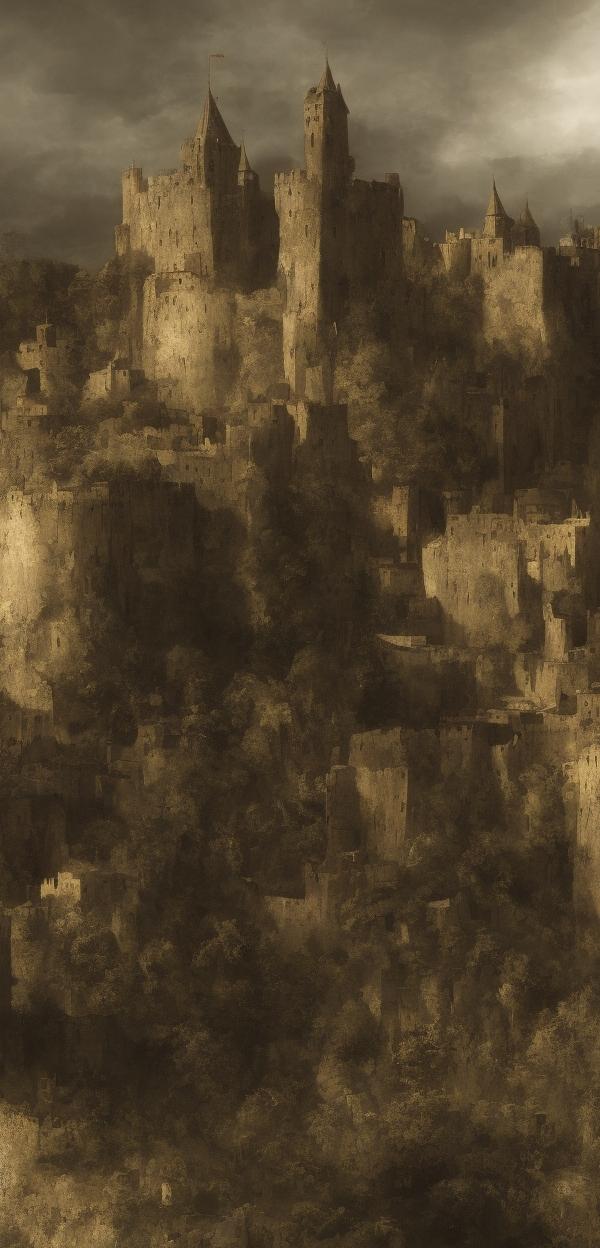
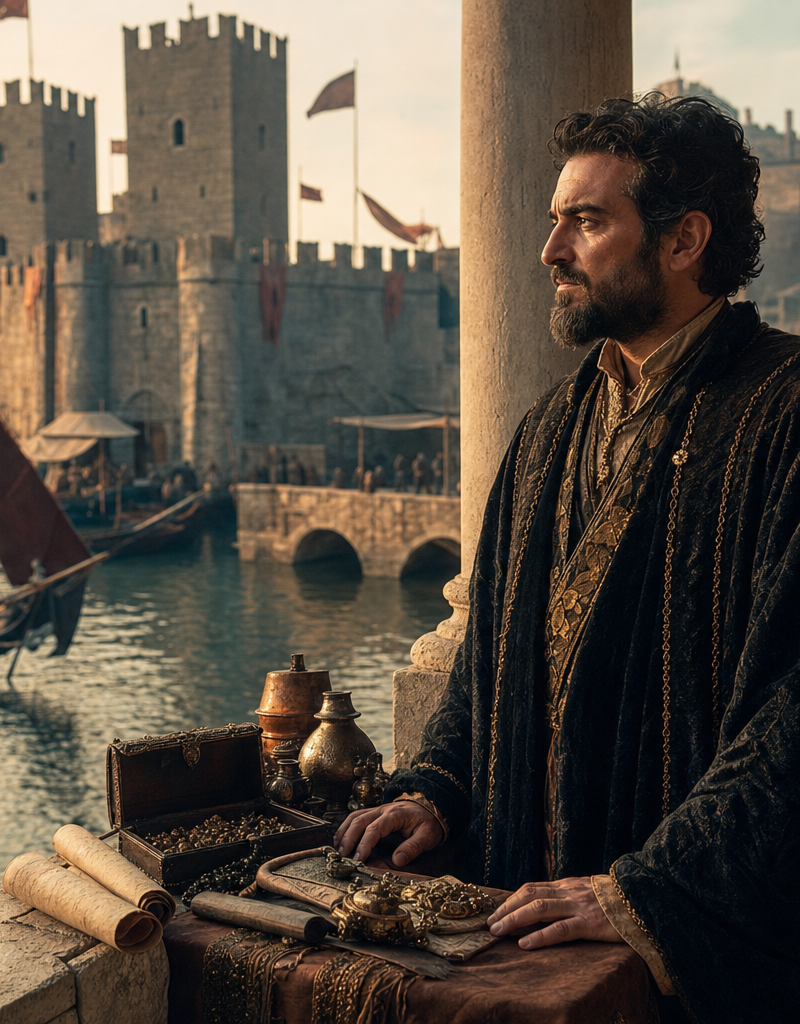
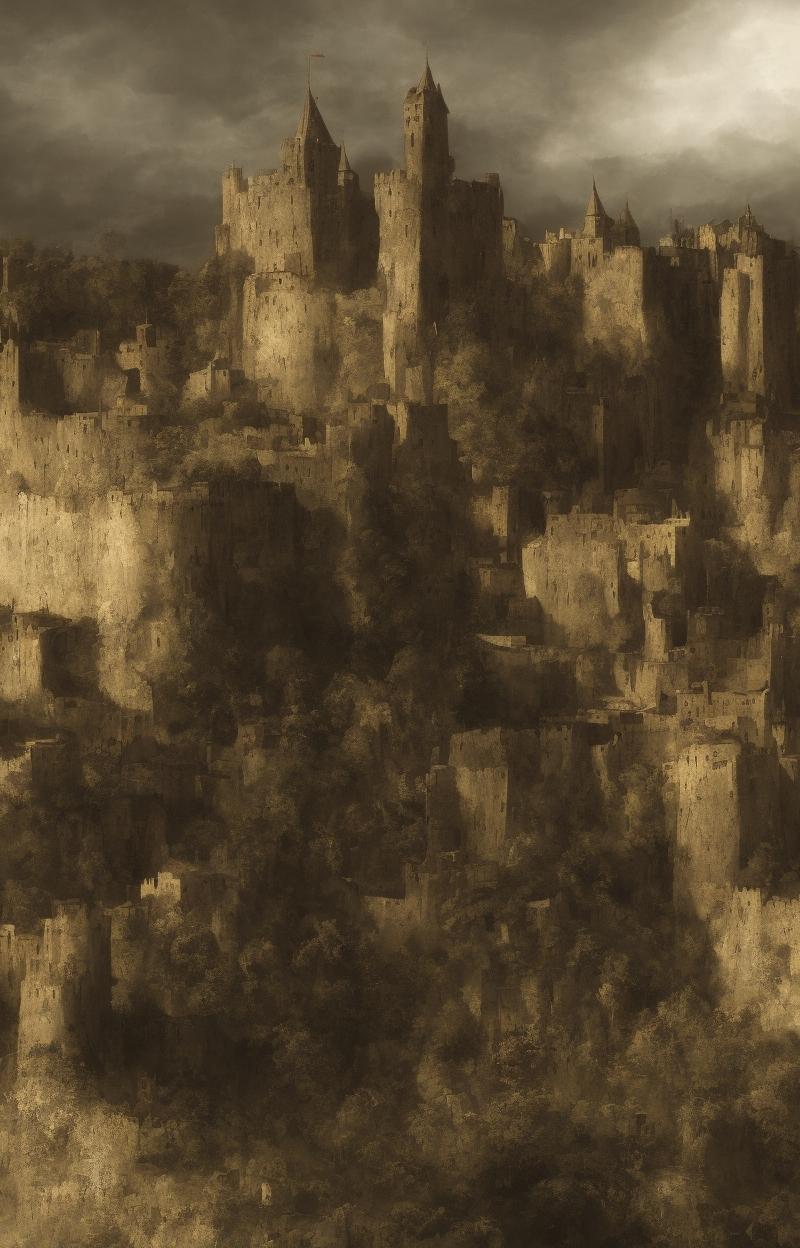
    The Middle Ages, spanning nearly a millennium of European history, is an era rich in contrasts: from the fall of the Western Roman Empire to the discovery of the Americas. Knights, imposing castles, monastic orders, and great plagues shaped the face of modern Europe. In this section, we explore the most fascinating stories of an often misunderstood era, where faith, power, and innovation intertwined in surprising ways.

    21

    articles

    16

    min read

    Middle Ages

    Deep Dive

    The Middle Ages is an era that indelibly shaped Western civilization. Too often dismissed as a period of darkness, it actually holds the roots of institutions, values, and innovations that still govern our world today. From the great Gothic cathedrals that defied gravity to the first European universities, from the feudal system that structured society to the chivalric codes that defined honor and virtue, this millennium of history deserves to be rediscovered in all its extraordinary complexity.

    1Feudal society: a system of interconnected powers

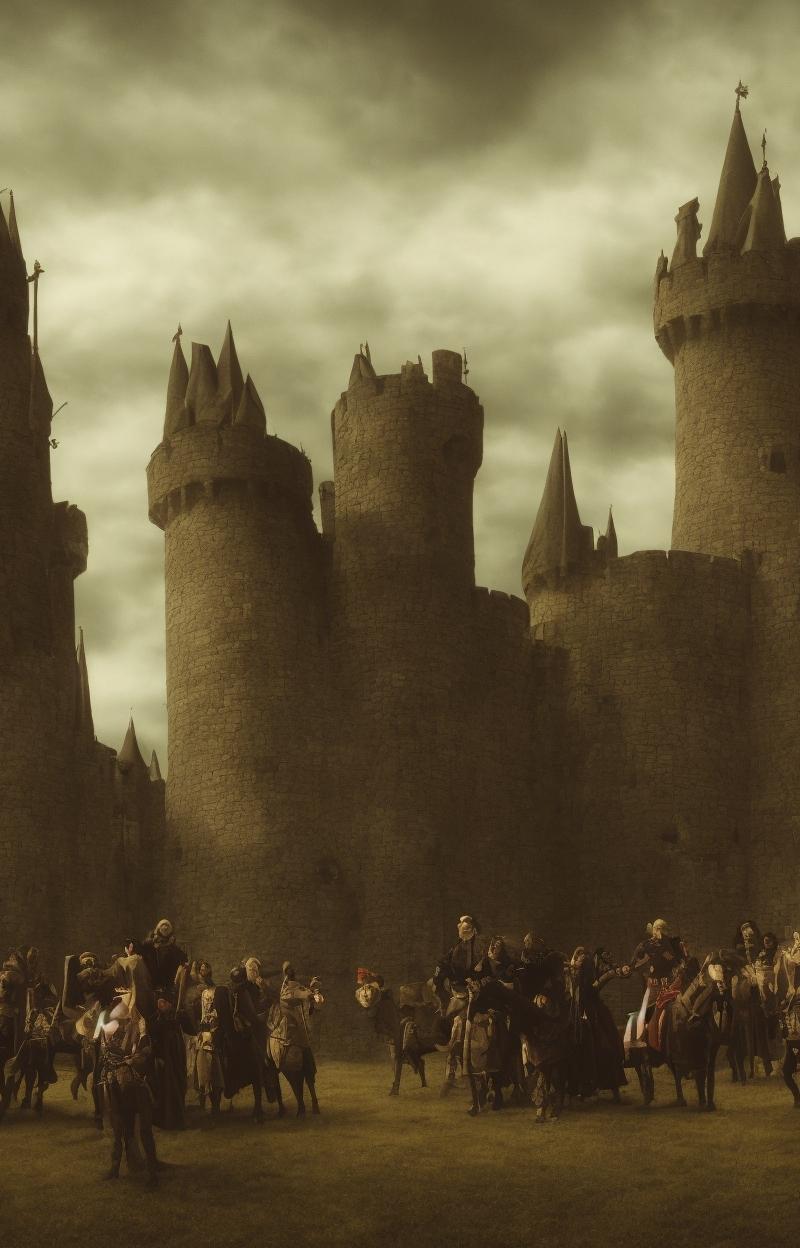
    Feudalism was not simply a system of exploitation, but a complex network of reciprocal obligations binding kings, nobles, knights, and peasants. Each level of the social pyramid had codified rights and duties. The vassal swore loyalty to the lord in exchange for protection and land (the fief), while the lord committed to defending his subjects. This system, far from being static, evolved continuously over its thousand-year history, adapting to wars, famines, and cultural transformations.

    2Innovation and culture: the lights of the 'Dark Ages'

    Contrary to the myth of the 'Dark Ages,' the Middle Ages was an era of extraordinary creativity. The invention of eyeglasses in the 13th century revolutionized intellectual life. Water and windmills transformed agriculture and industry. The universities of Bologna, Paris, and Oxford became centers of learning that attracted students from across Europe. Gothic architecture reached engineering heights that still amaze: the Cathedral of Chartres, with its polychrome windows, remains an unsurpassed masterpiece.

    3The Crusades and the clash of civilizations

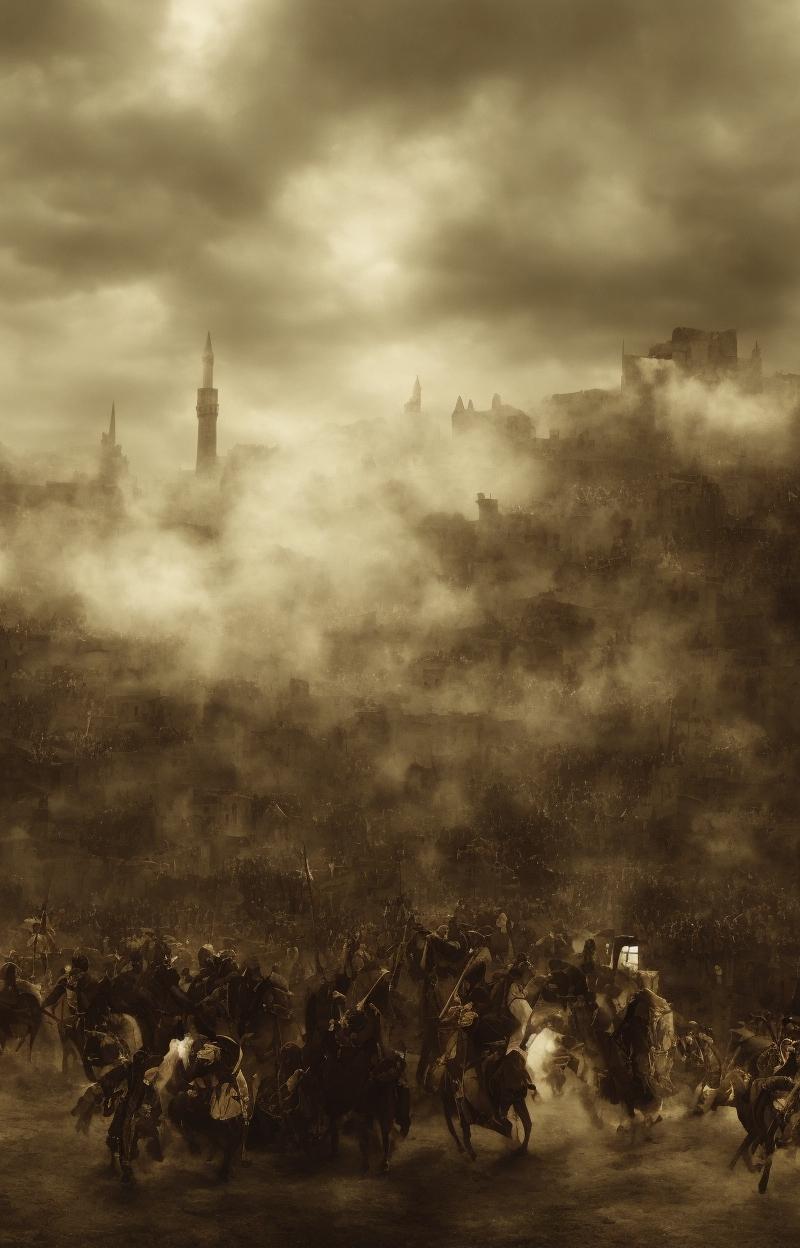
    The Crusades, while violent conflicts, were also a moment of contact between Christian European and Islamic civilizations. Through these exchanges, Europe rediscovered Greek philosophical texts preserved in Arab libraries, imported advanced technologies like the astrolabe and the decimal number system, and encountered spices, textiles, and medical knowledge previously unknown. This cultural exchange accelerated European progress and laid the foundations for the Renaissance.
    Key Facts

    01
    476

    Fall of the Western Roman Empire, conventional start of the Middle Ages

    02
    800

    Charlemagne crowned Emperor of the Holy Roman Empire

    03
    1096

    Beginning of the First Crusade to the Holy Land

    04
    1347

    The Black Death devastates Europe, killing a third of the population

    05
    1453

    Fall of Constantinople and end of the Byzantine Empire

    Did You Know?

    💡

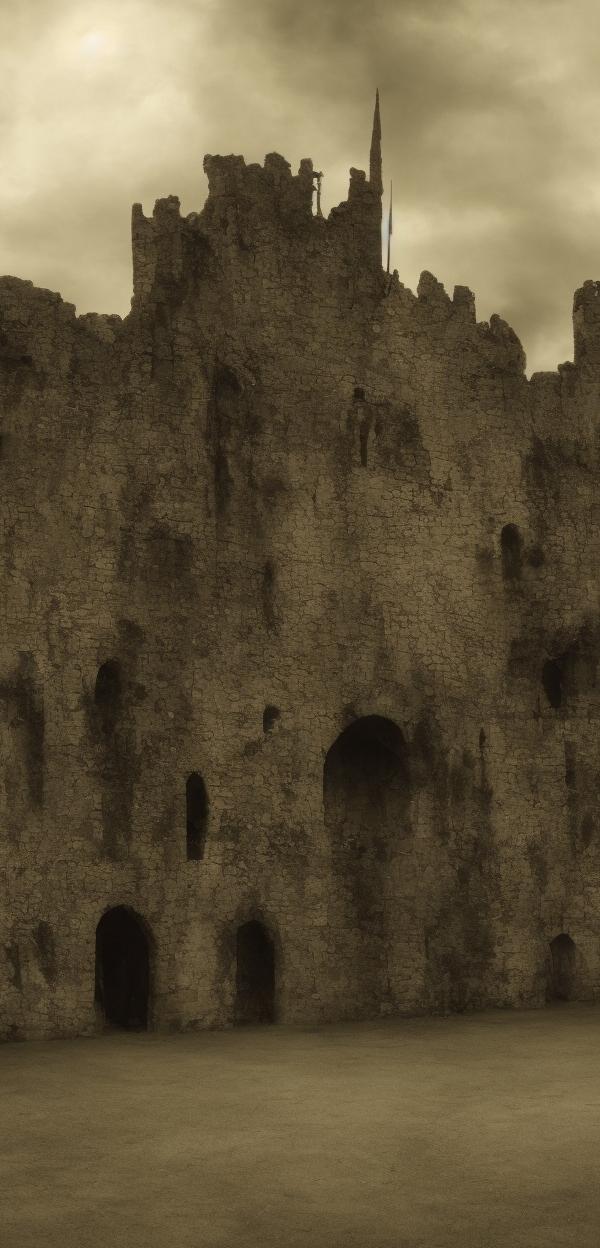
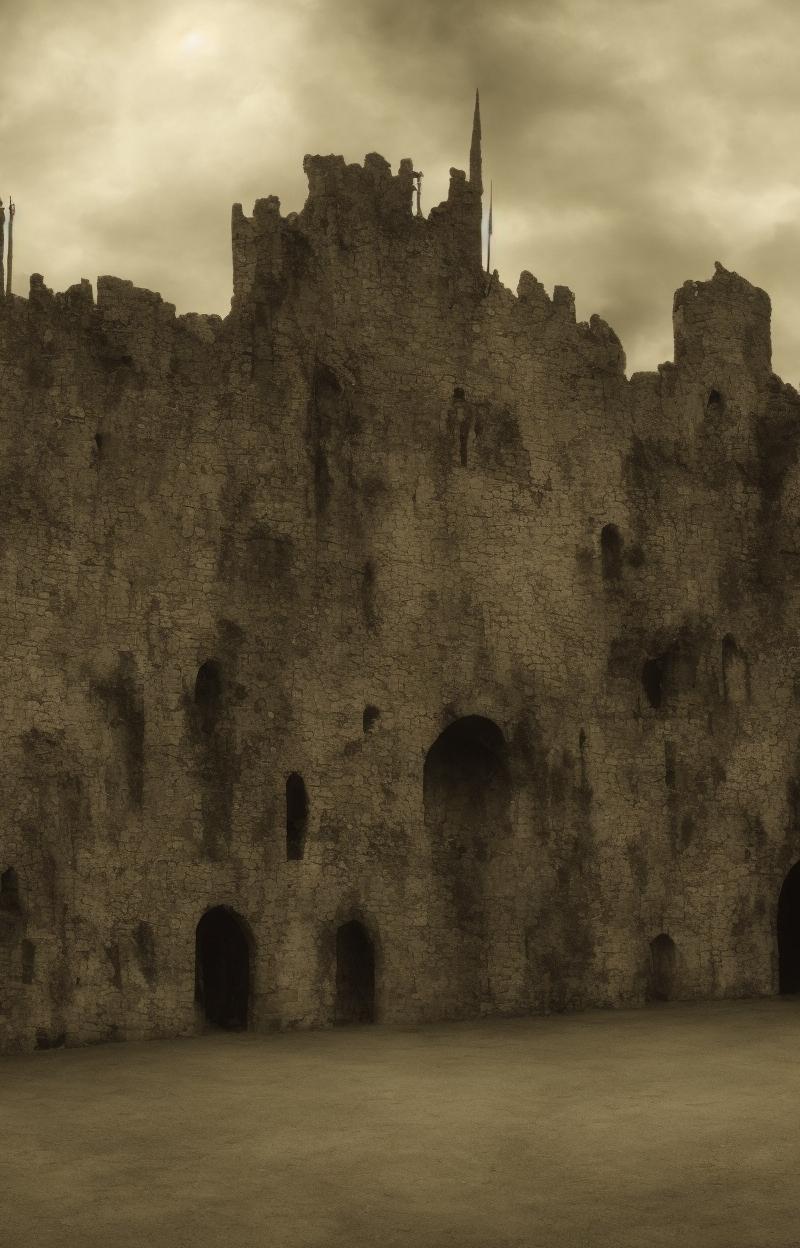
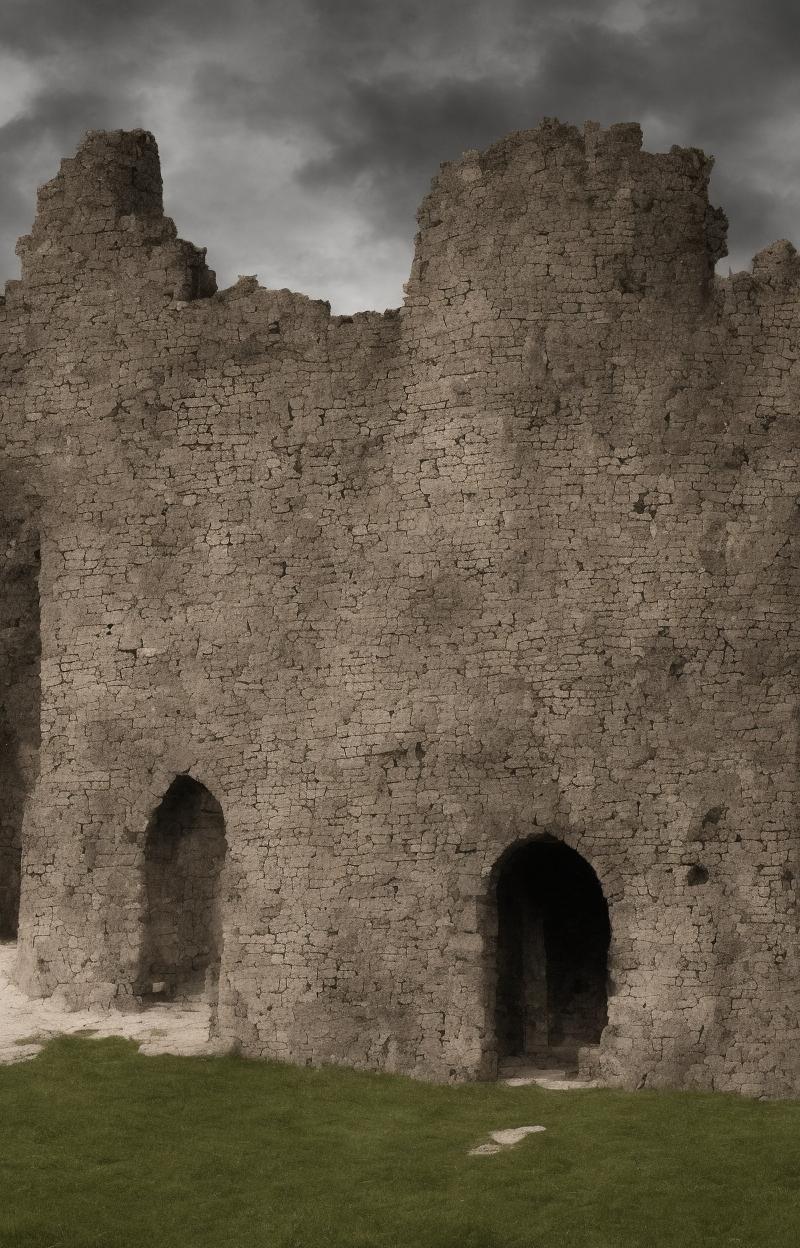
    Medieval castles had walls up to 5 meters thick, but doors were the weakest point — making drawbridges essential.

    💡

    Beer in the Middle Ages was safer than drinking water. Monks and peasants consumed it daily, even at breakfast.

    💡

    The Book of Kells contains miniatures so detailed that some decorations are only visible under a microscope.

    Top 5 Articles

    All Articles

    Glossary

    Feudalism
    A political-social system based on vassal relationships between lords and subjects, bound by reciprocal obligations of loyalty and protection.
    Crusade
    A military expedition blessed by the Pope with the goal of liberating the Holy Land from Muslim control.
    Black Death
    A bubonic plague pandemic that devastated Europe between 1347 and 1353, killing about a third of the population.
    Gothic
    An architectural style characterized by pointed arches, stained glass windows, and soaring structures, developed in France in the 12th century.
    Scriptorium
    A room within monasteries dedicated to copying and illuminating manuscripts.

    Quotes

    "

    "The Middle Ages was not an era of darkness, but of light filtered through stained glass."

    Umberto Eco
    "

    "Those who cannot remember the past are condemned to repeat it."

    George Santayana

    Frequently Asked Questions

    1When does the Middle Ages begin and end?

    The Middle Ages conventionally spans from 476 AD (fall of the Western Roman Empire) to 1492 (discovery of America), covering about a millennium.

    2Why is the Middle Ages called the 'Dark Ages'?

    The term 'Dark Ages' was coined by Renaissance humanists. In reality, the medieval era saw great innovations, from universities to Gothic cathedrals.

    3What were the main inventions of the Middle Ages?

    Key inventions include the printing press, eyeglasses, the mechanical clock, the compass in Europe, and windmills.

    Recommended Resources

    📖

    The Name of the Rose

    Umberto Eco (1980)

    Book

    📖

    Medieval Civilization

    Jacques Le Goff (1964)

    Book

    📖

    The Pillars of the Earth

    Ken Follett (1989)

    Book

    Stay Updated

    Subscribe to our newsletter and receive the most fascinating stories every week.