Mythology & Ancient Gods
Aphrodite and the Mysteries of Love
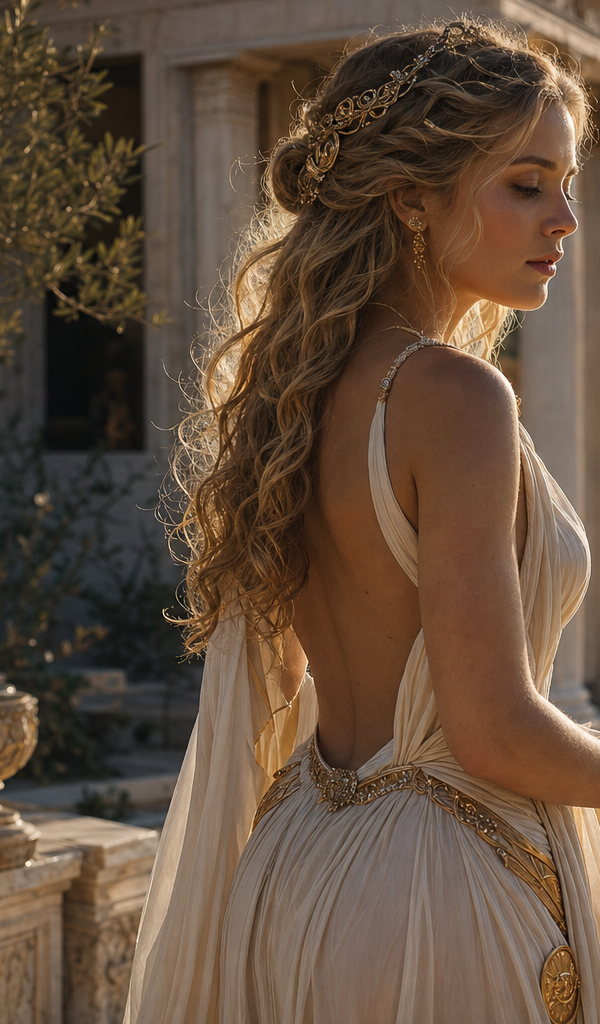
The sea has always been a place where stories are born, where the boundary between the known and the unfathomable blurs into foam and salt. In the Greek imagination that blur…
17 min
Mythology is the key to understanding how ancient civilizations viewed the world. From Greek and Roman myths to Norse and Egyptian legends, the stories of the gods reveal deep truths about human nature, power, and destiny.
17
articles
18
min read
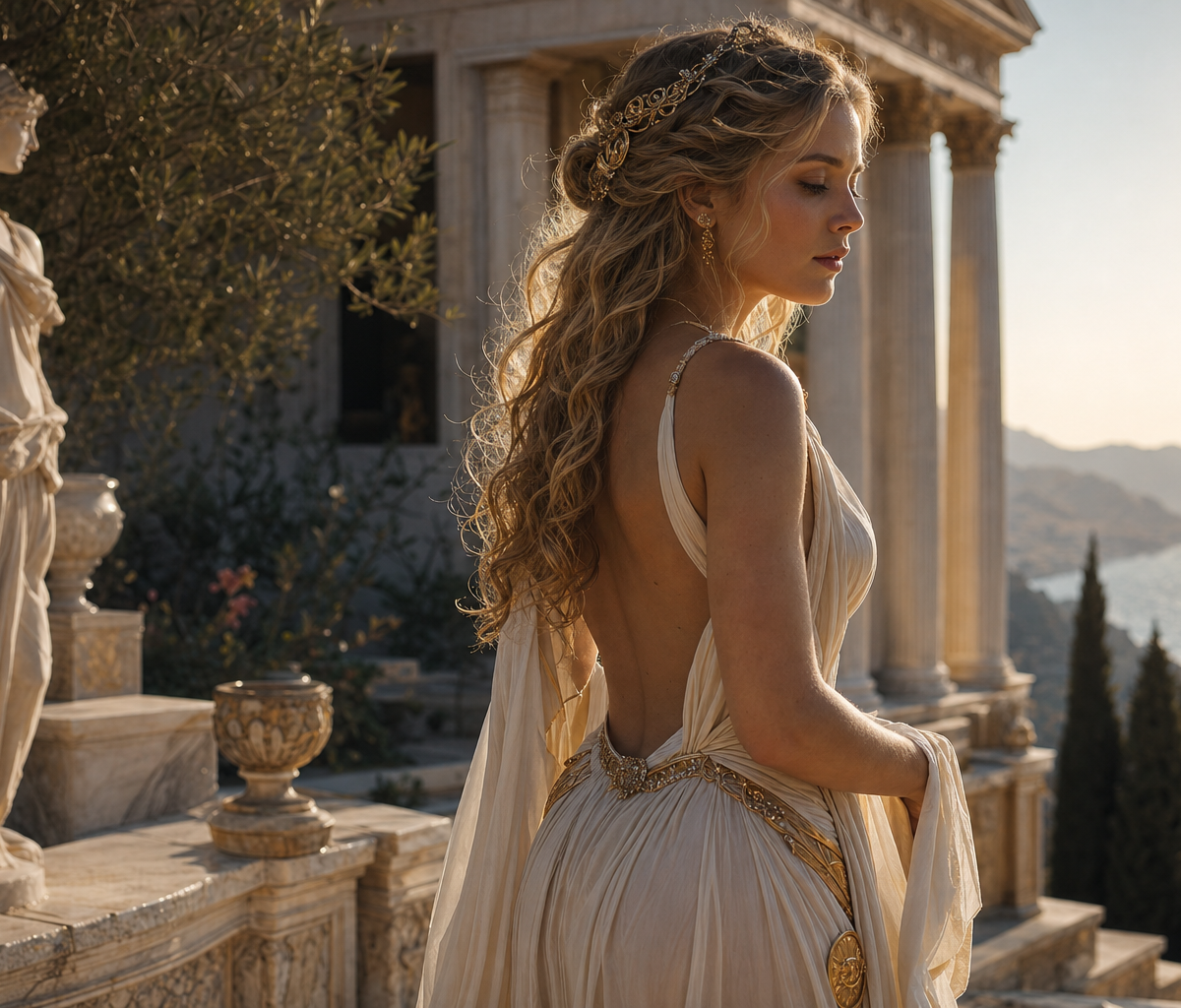
The sea has always been a place where stories are born, where the boundary between the known and the unfathomable blurs into foam and salt. In the Greek imagination that blur became a goddess: Aphrodite, whose presence emerges from the ocean like a secret unveiled. To approach Aphrodite is to app...
Read articleMythology is not a collection of primitive fables: it is humanity's first great attempt to make sense of the world. Through the stories of the gods, the ancients codified the laws of nature, explored moral dilemmas, and transmitted their understanding of the universe.
Every culture developed its own origin story. For the Greeks, primordial Chaos gave birth to Gaia and Uranus. For the Egyptians, Atum emerged from the primordial waters of Nun. For the Norse, the world was born from the body of the giant Ymir. These myths are not simple stories but cosmological models reflecting real observations of nature.
Joseph Campbell identified a universal pattern in the heroic myths of every culture: the 'hero's journey.' From Gilgamesh to Odysseus, from Hercules to Sigurd, the hero departs on a journey, faces terrible trials, symbolically dies, and is reborn transformed.
Ancient pantheons were not peaceful communities but reflected the power dynamics of the societies that created them. Zeus ruled through force and cunning, Odin sacrificed an eye for knowledge, Ra traversed the underworld each night to be reborn at dawn.
Epic of Gilgamesh, the oldest known epic poem
Homer composes the Iliad and the Odyssey
Hesiod writes the Theogony, genealogy of the Greek gods
Ovid publishes the Metamorphoses
The myth of Prometheus stealing fire inspired Mary Shelley's 'Frankenstein,' subtitled 'The Modern Prometheus.'
Thor in Norse mythology disguised himself as a bride to recover his hammer Mjölnir from the giant Thrym.
The Great Flood myth appears in at least 200 different cultures worldwide.
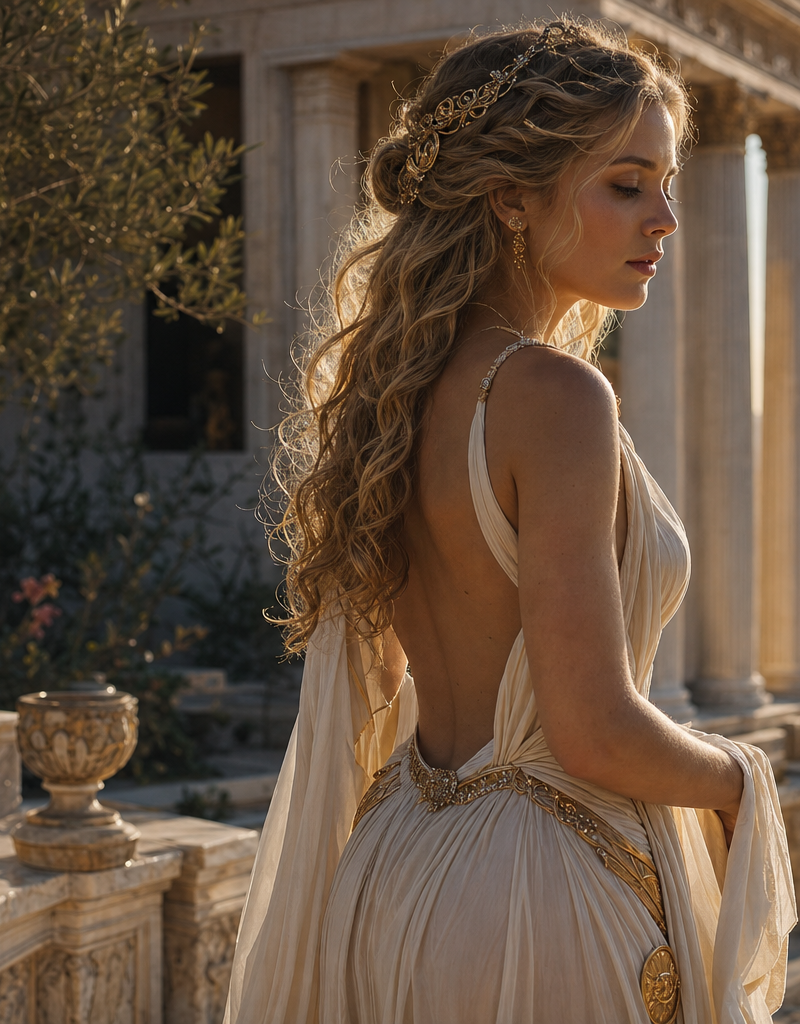
The sea has always been a place where stories are born, where the boundary between the known and the unfathomable blurs into foam and salt. In the Greek imagination that blur…
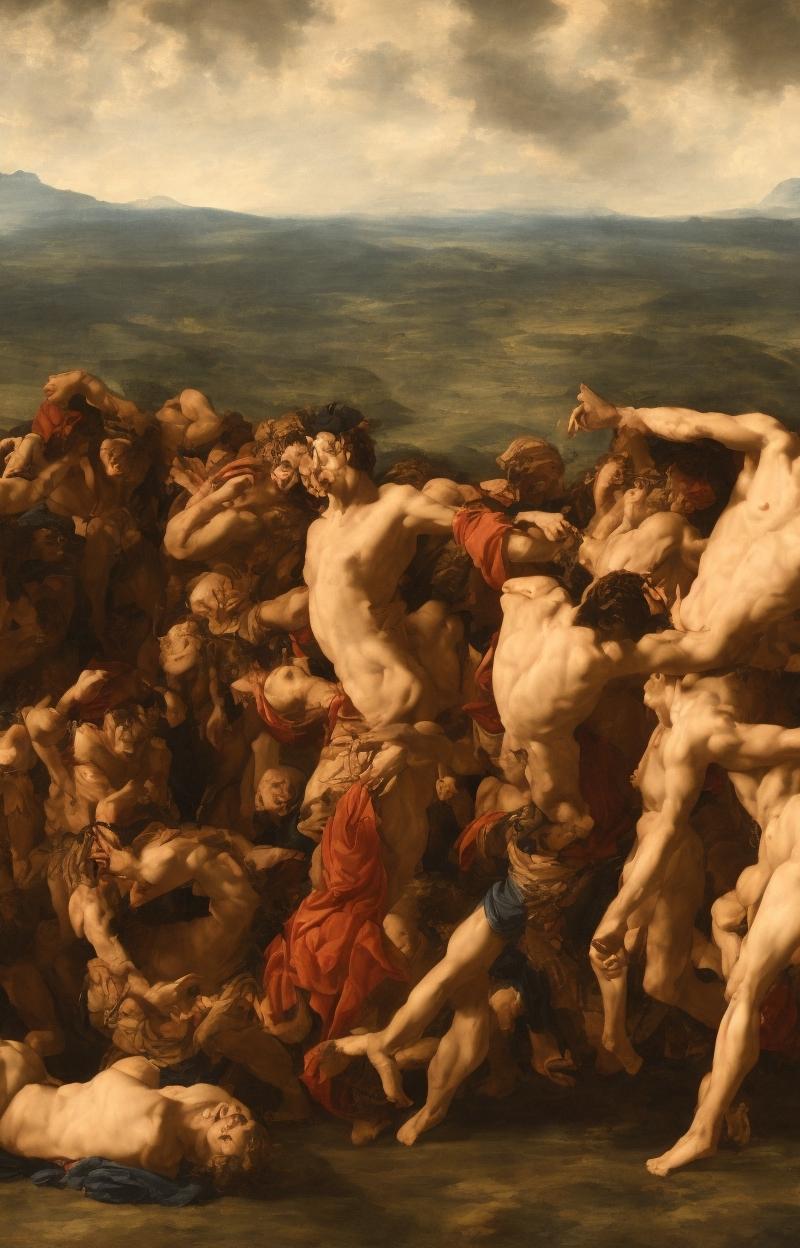
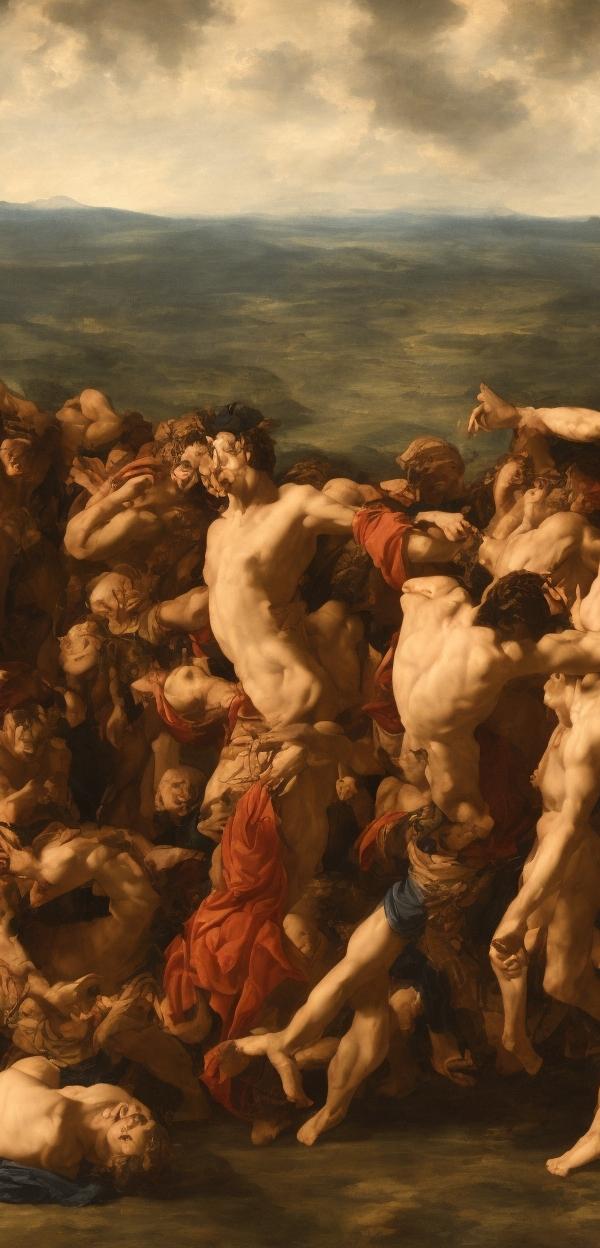
In the hush between sea and sky, a story took shape that would travel centuries, crossing oceans of ink and pigment to become one of the West's most persistent images. The Rape…
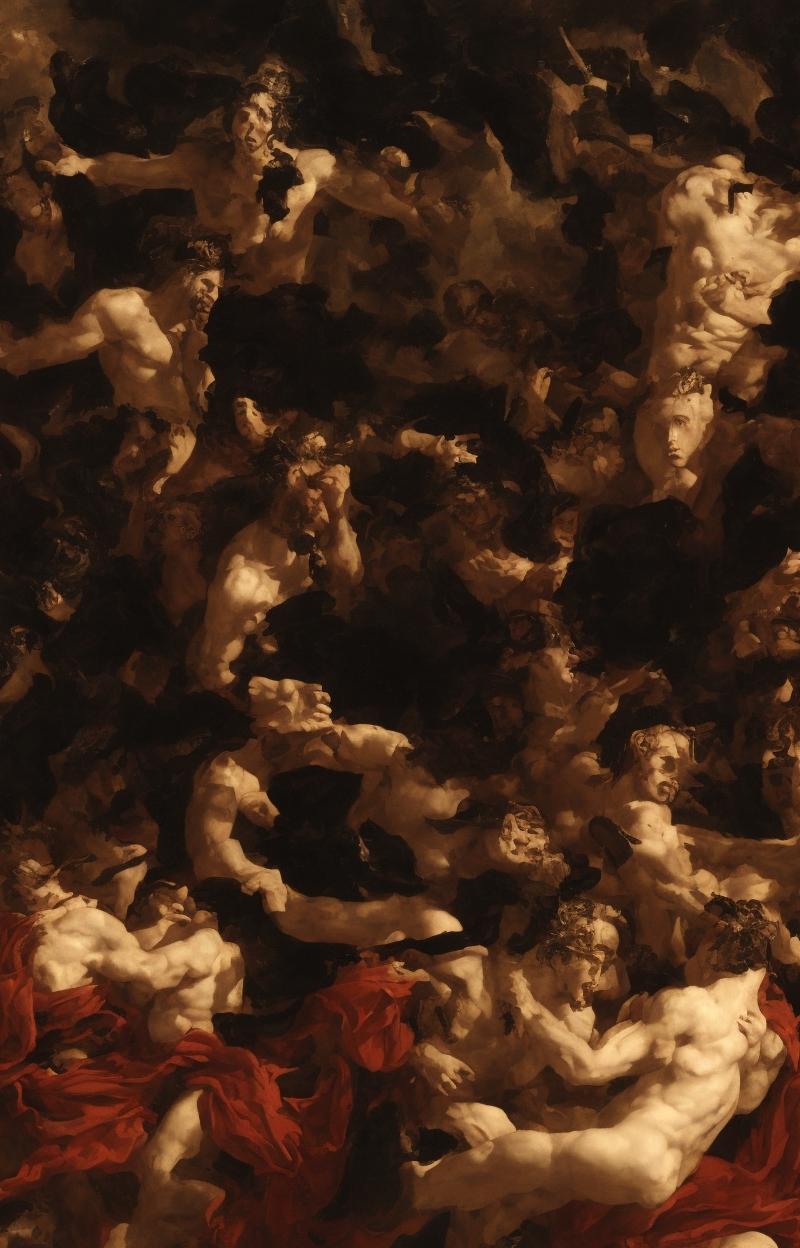
The gates of the Underworld, in Greek imagination, are simultaneously intimate and utterly foreign: close at hand in the landscapes of living memory, and yet forever sealed by…
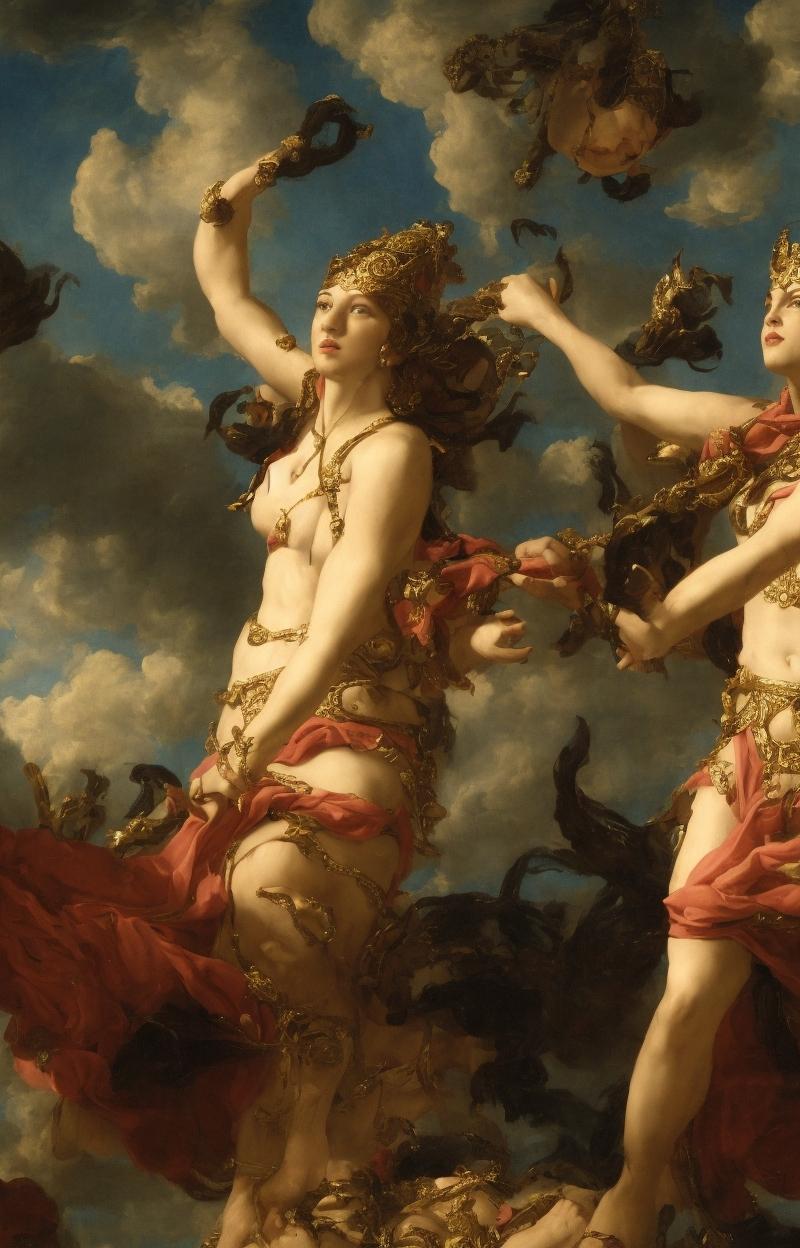
A hush seems to fall over the stone when one walks beneath the shadow of the Parthenon. Even when the air is clear and the city hums with traffic, the carved figures that once…
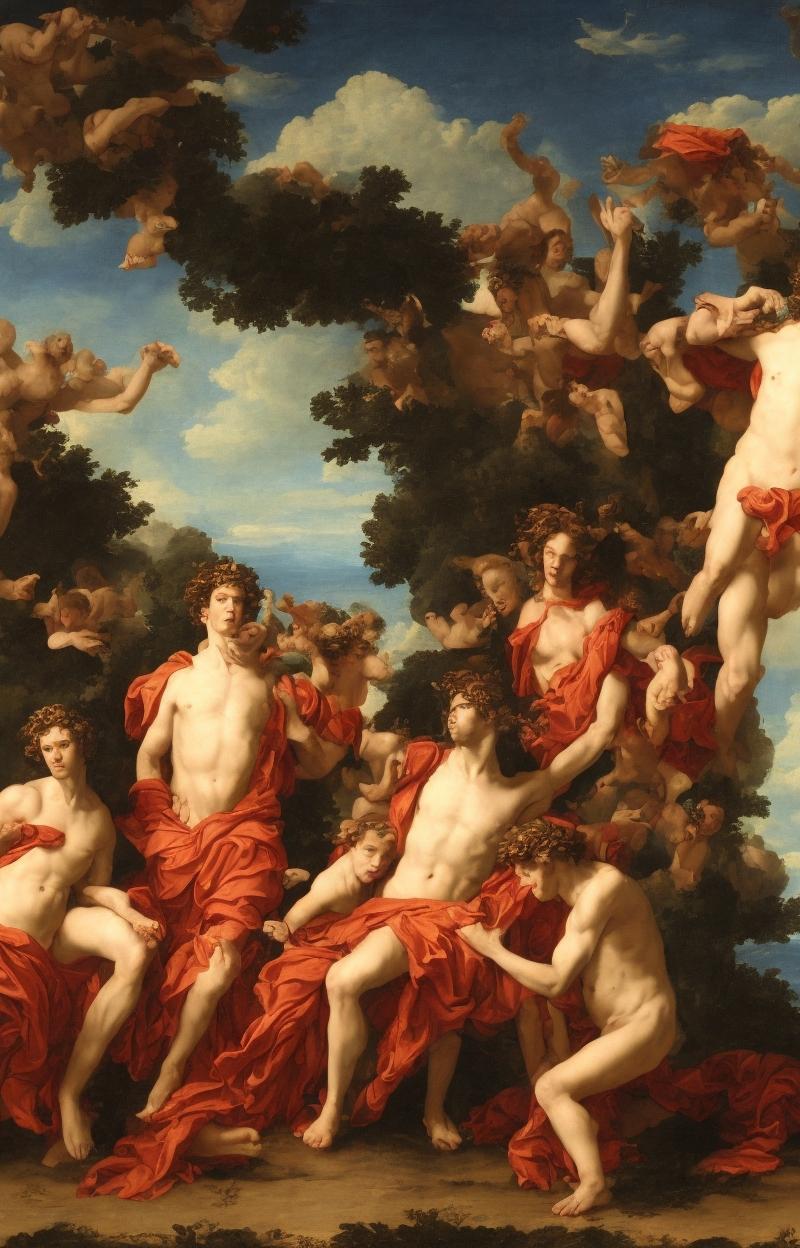
In the shimmering fog of antiquity where song, prophecy and ritual braided into the daily life of Greek polities, Apollo and the Muses stand as a singular constellation. Together…
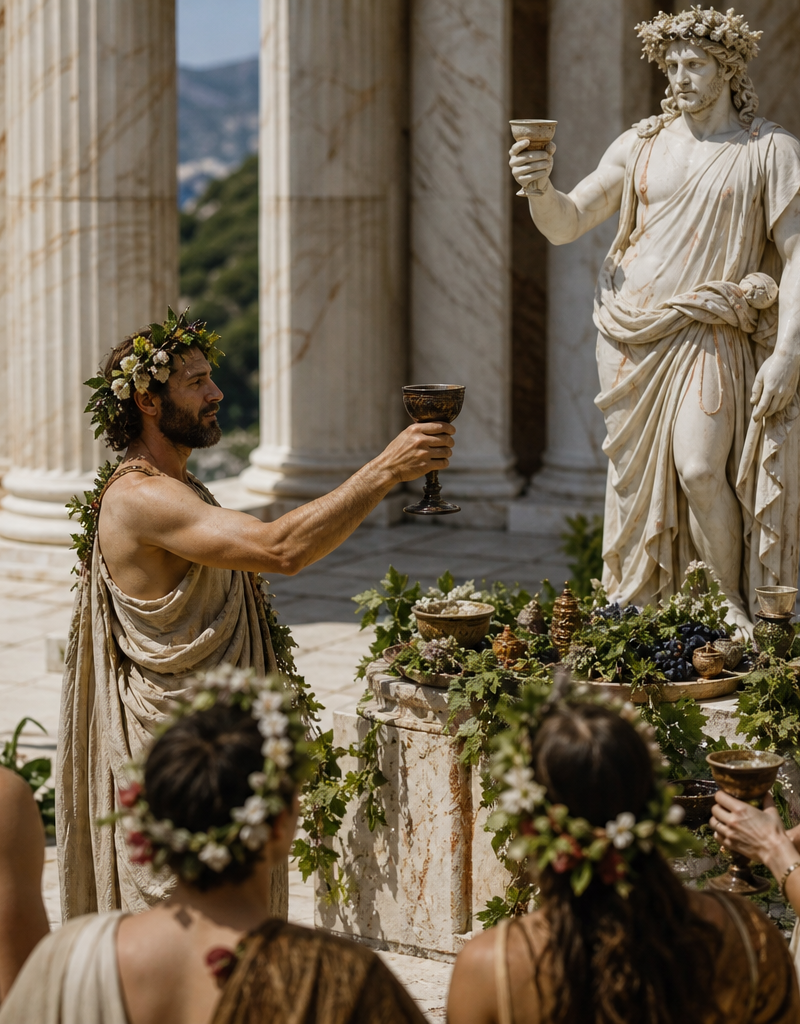
In the hush between vine leaves and temple shadows, Dionysus arrives as a presence that dissolves ordinary borders. He is a god of contradictions: a foreigner and a native,…
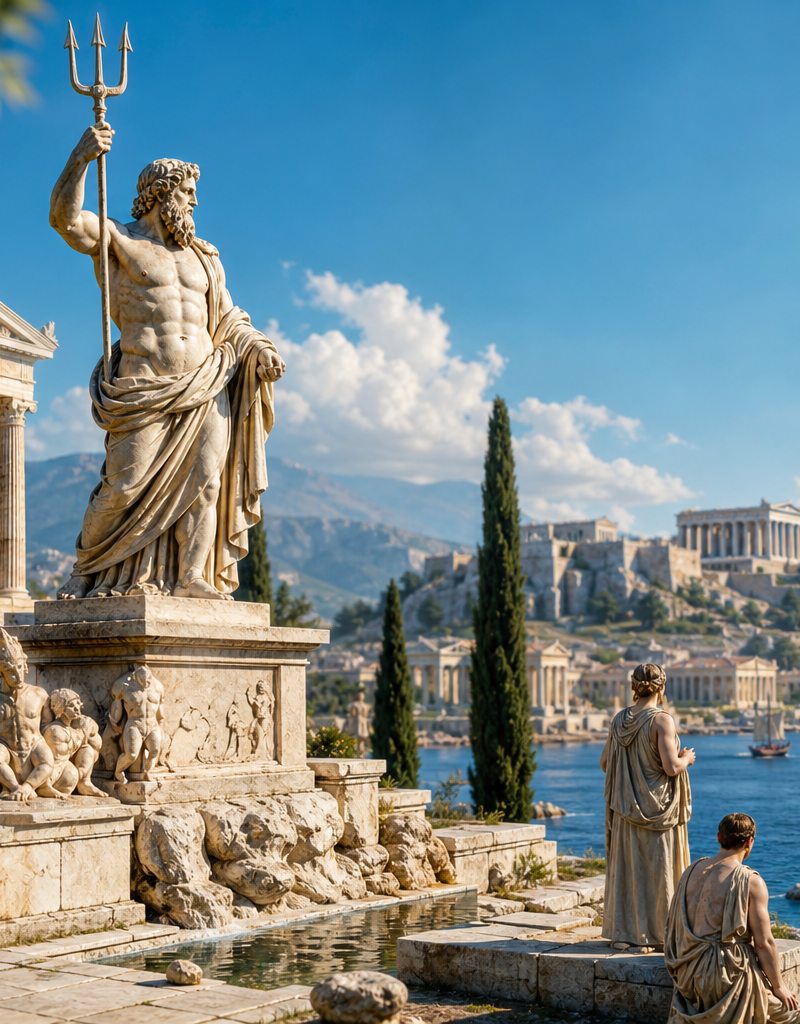
The salt air carries stories older than cities. Poseidon, the earth-shaking god of the sea, rides the imagination of ancient Greece as both benefactor and terror. He is the force…
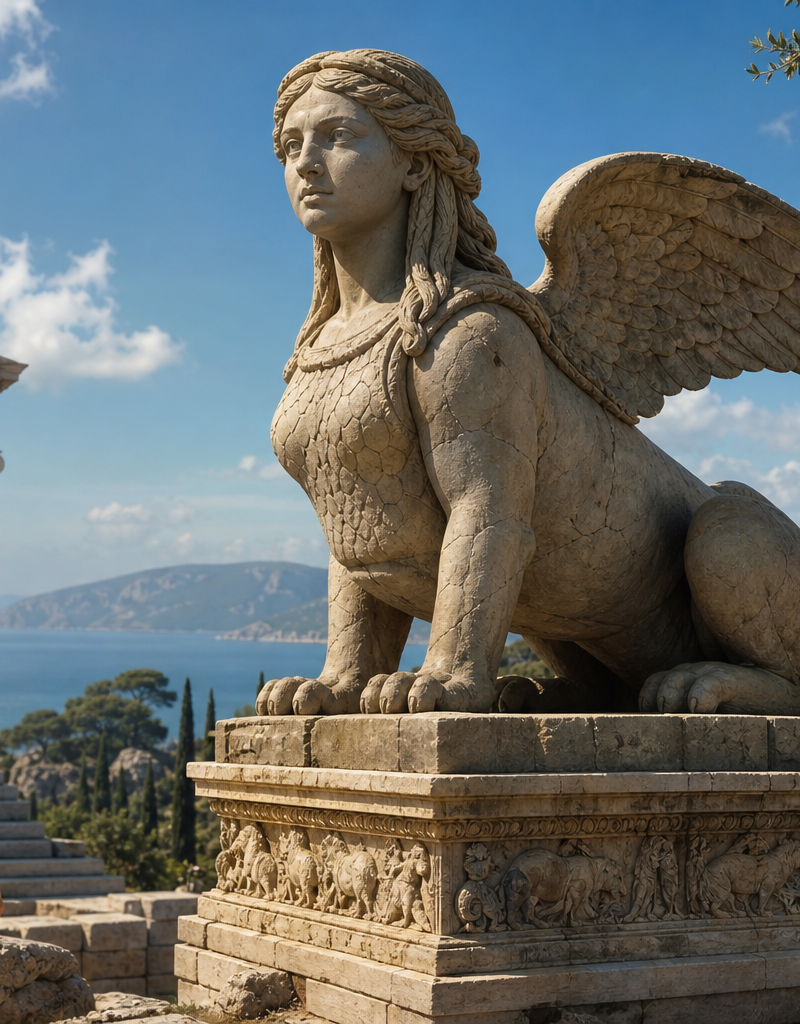
The Sphinx of Thebes has haunted Western imagination for more than two millennia: a liminal creature perched at the edges of human knowledge, a creature of riddles that…
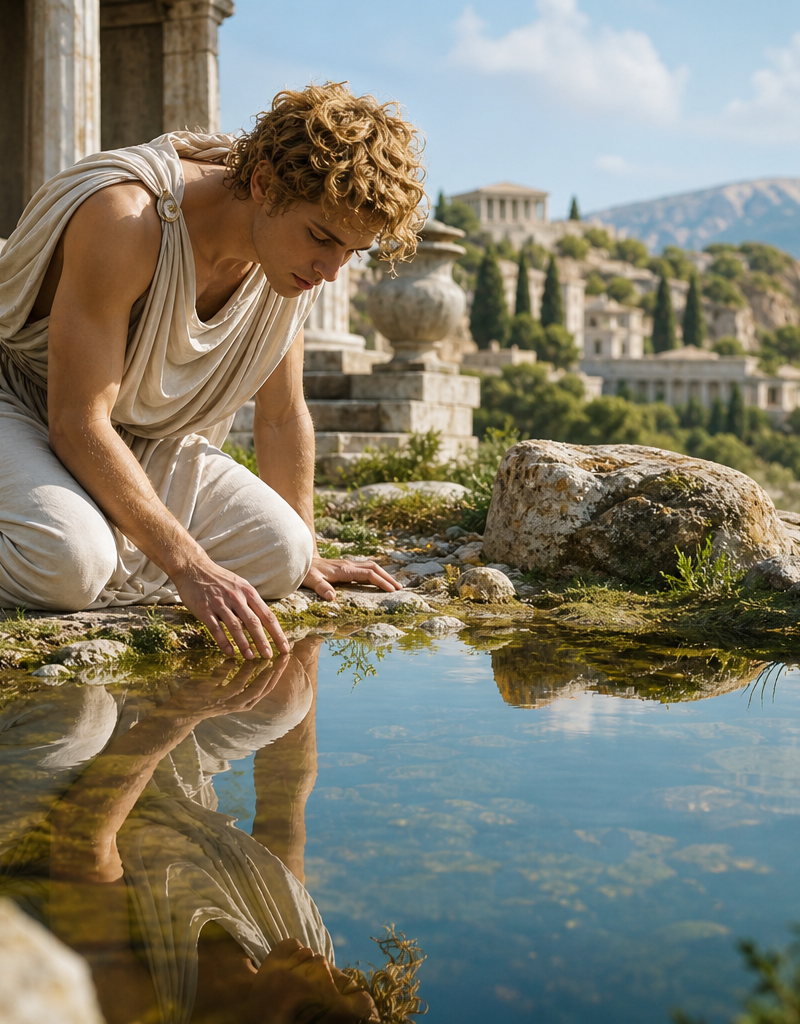
In the quiet, shimmering surface of a pool of water lies a profound and timeless human experience: the confrontation with self. For millennia, before glass mirrors became…
""Myths are public dreams, dreams are private myths."
""Man is by nature a mythological animal."
Myth explains natural phenomena through divine figures, while legend is a story with historical basis amplified by tradition.
Greek, Roman, Norse, Egyptian, Hindu, and Mesopotamian mythologies are among the most studied.
Joseph Campbell (1949)
Book
Robert Graves (1955)
Book
Subscribe to our newsletter and receive the most fascinating stories every week.