Ötzi the Iceman: The 5,300-Year-Old Murder Mystery Frozen in Time
In the realm of archaeology, some discoveries are so profound they rewrite history. They offer a window into the past so clear and unfiltered that it feels as though time itself…
Every archaeological discovery is a window into a lost world. From submerged temples to buried cities, modern archaeology continues to reveal secrets that overturn our certainties about human history.
10
articles
17
min read

In the realm of archaeology, some discoveries are so profound they rewrite history. They offer a window into the past so clear and unfiltered that it feels as though time itself has collapsed. The finding of Ötzi the Iceman is one such discovery. On September 19, 1991, two German hikers, Helmut a...
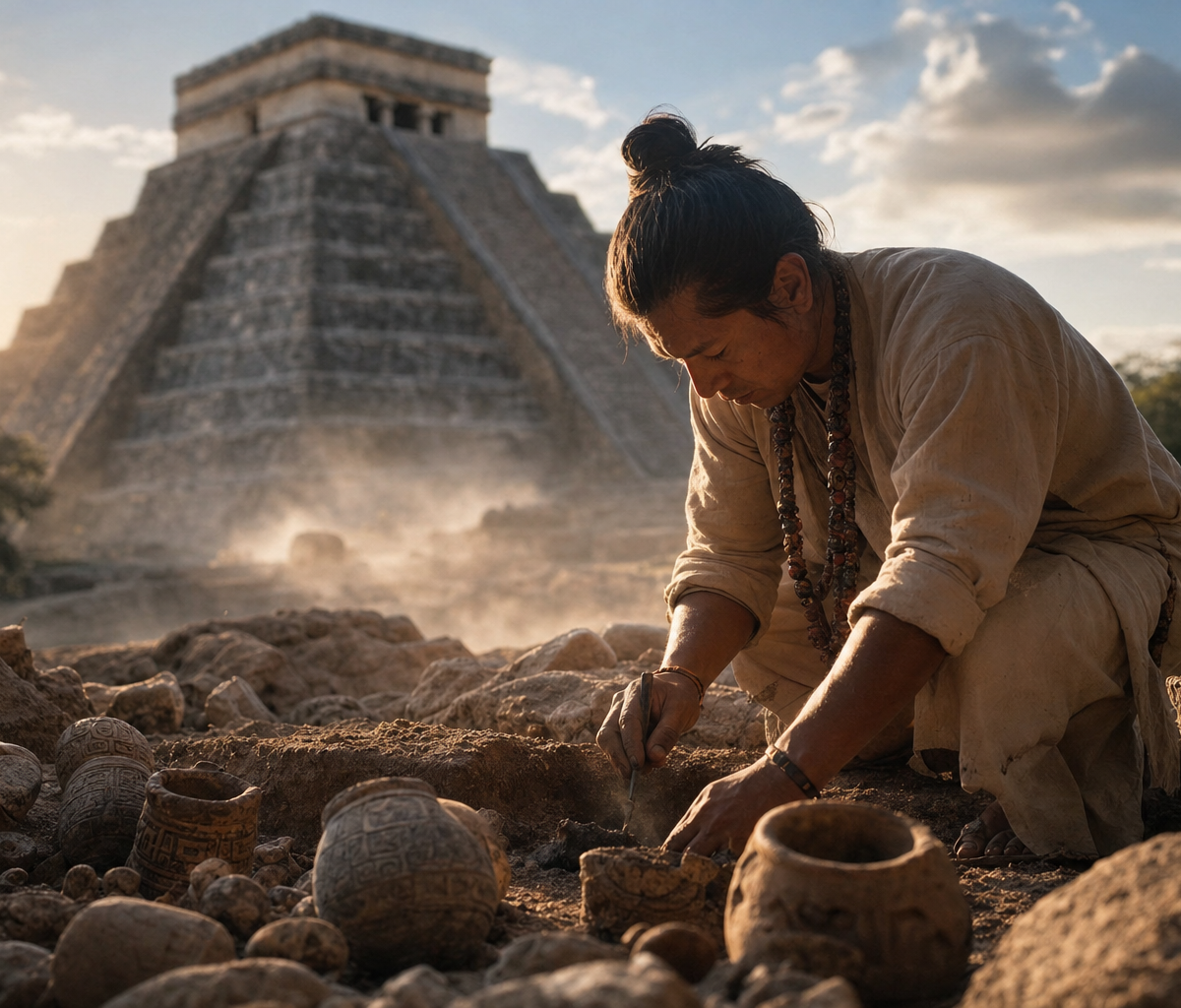
Read articleArchaeology is the most powerful time machine humanity possesses. Every excavation is a window into vanished worlds, every artifact a fragment of a story waiting to be told. Modern archaeology doesn't just dig up objects: it uses cutting-edge technologies to reconstruct lives, cultures, and civilizations with precision that 19th-century pioneers could never have imagined.
21st-century archaeology is a high-tech discipline. LiDAR has revealed entire Maya cities hidden by Guatemalan jungle. Ancient DNA extracted from bones thousands of years old has rewritten the history of human migrations. Radiocarbon dating allows dating organic artifacts with precision of decades.
Some discoveries literally rewrote history books. The Rosetta Stone (1799) enabled deciphering Egyptian hieroglyphics. Tutankhamun's tomb (1922) revealed the wealth of Ancient Egypt. Pompeii showed daily Roman life crystallized by Vesuvius's eruption. Göbekli Tepe (1994) pushed back the origins of civilization by thousands of years.
Modern archaeology faces enormous ethical challenges. Looting of archaeological sites feeds a black market worth billions. The restitution of artifacts to countries of origin divides the scientific community.
Systematic excavations begin at Pompeii
Discovery of the Rosetta Stone in Egypt
Howard Carter discovers Tutankhamun's tomb
Discovery of the Terracotta Army in China
Tutankhamun's tomb contained over 5,000 objects, many in solid gold, yet he was a minor pharaoh.
The Terracotta Army was discovered by accident by a farmer digging a well in 1974.
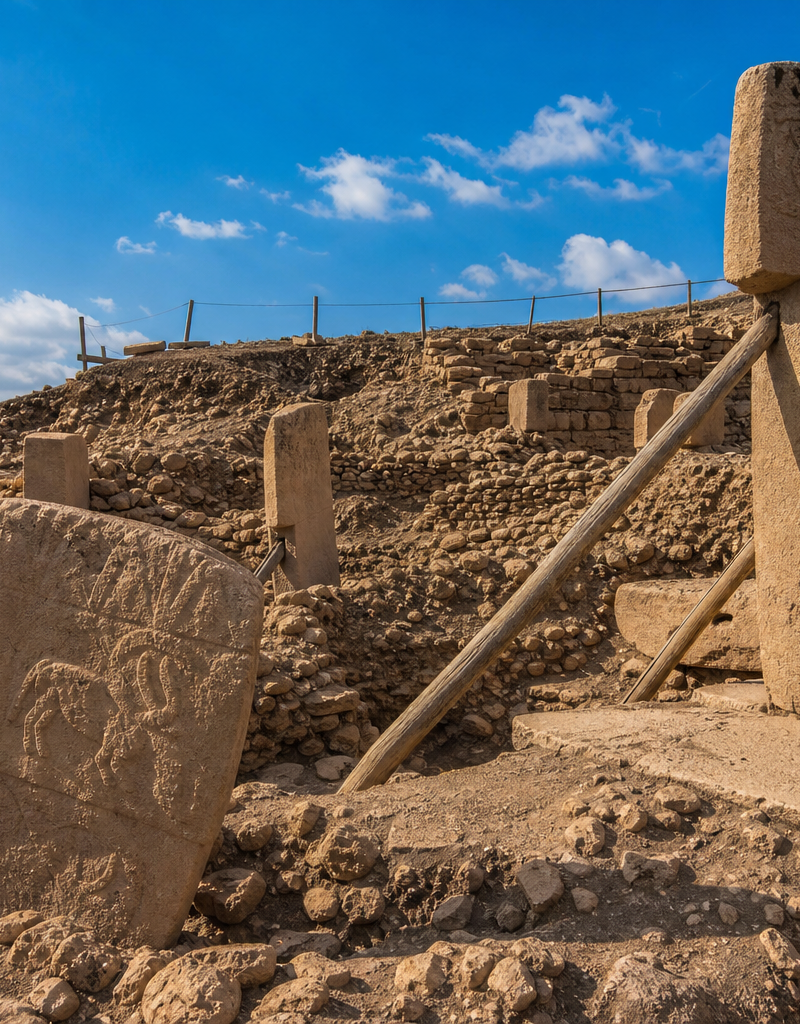
Göbekli Tepe in Turkey is 11,600 years old — 7,000 years older than the Egyptian pyramids and 6,000 years older than Stonehenge.

In the realm of archaeology, some discoveries are so profound they rewrite history. They offer a window into the past so clear and unfiltered that it feels as though time itself…

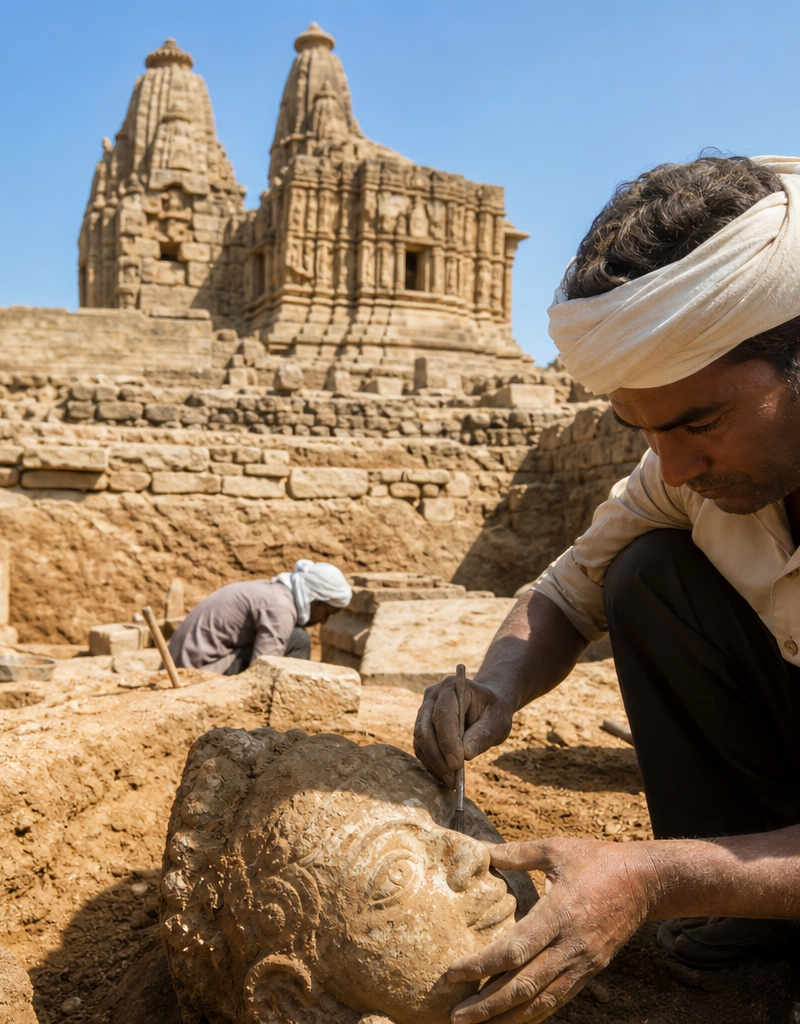
In the shimmering expanse where the Arabian Sea meets the bustling shores of Gujarat, an extraordinary enigma lies submerged, challenging conventional historical narratives and…

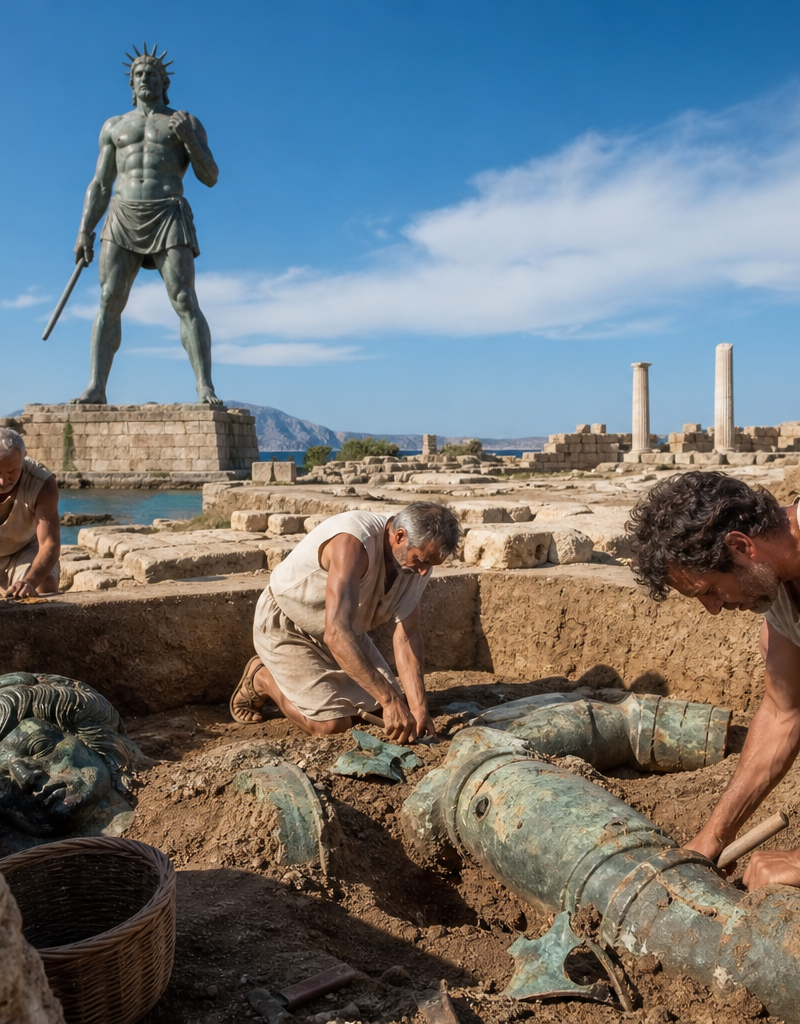
The morning the sun first gilded the bronze of Rhodes' greatest ambition, citizens and sailors paused as if the world had shifted. For a generation the island’s gift to the sun…

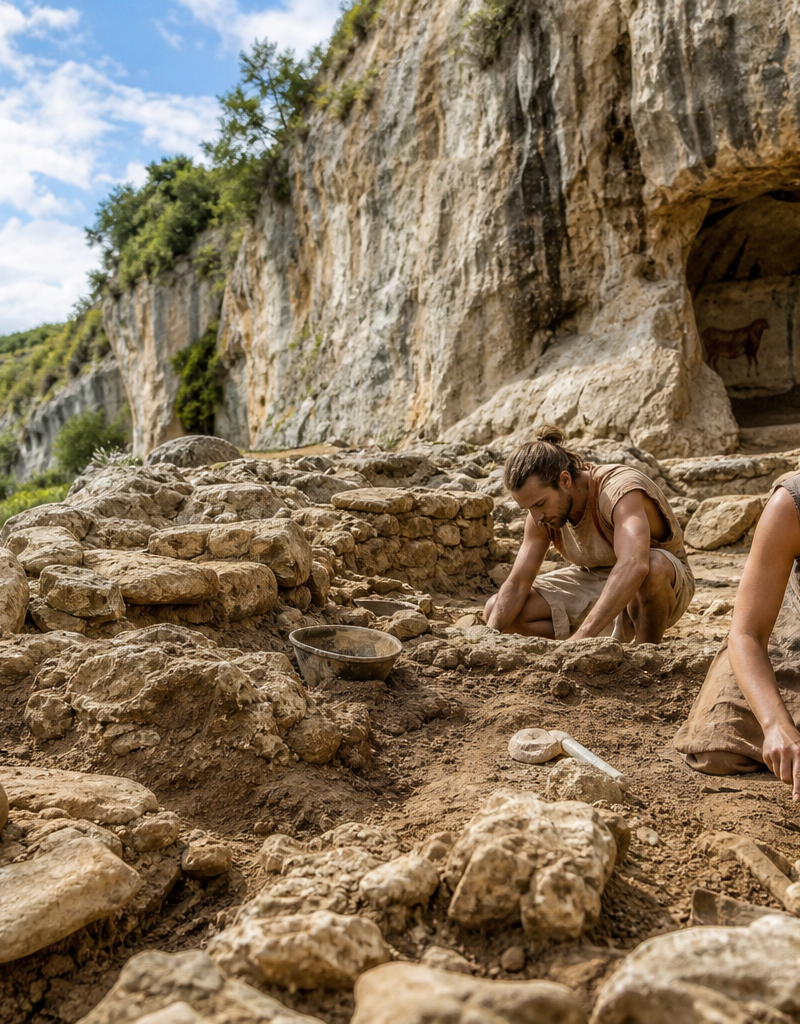
The first time you imagine stepping into Lascaux you feel the hush of deep time folding around you like cold stone. The air that once held the breath of Paleolithic painters, the…

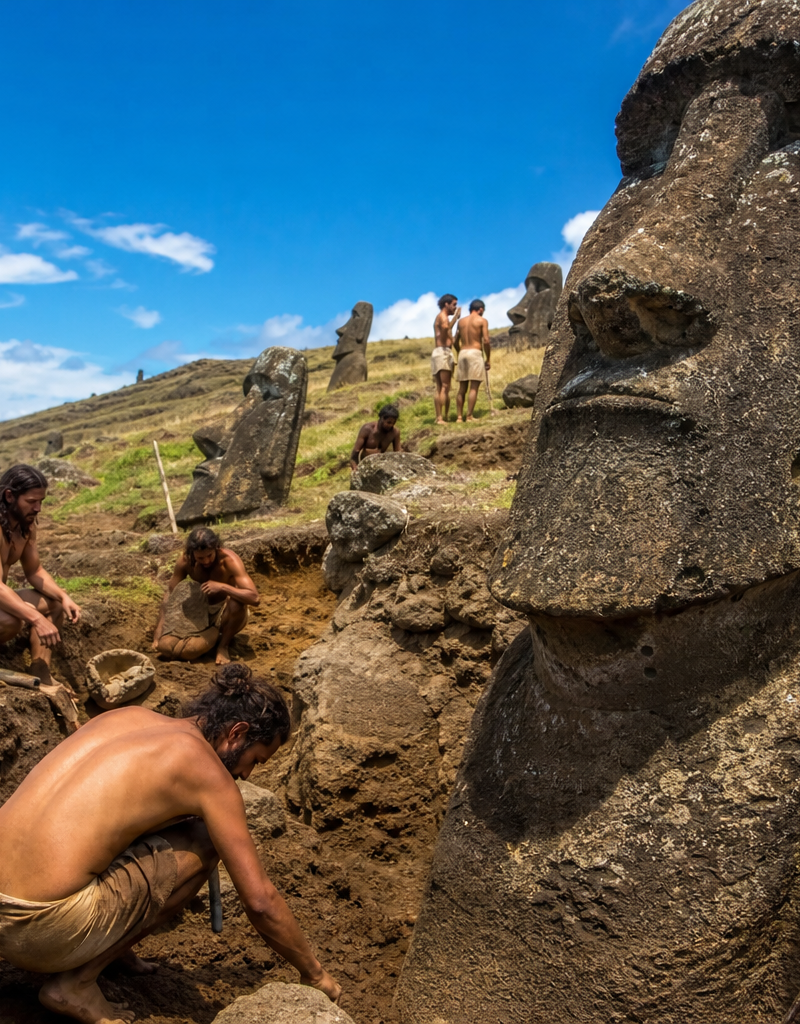
The wind that sweeps across the volcanic plateau of Rapa Nui carries more than salt and sand; it carries the whisper of human hands chipping away at tuff stone, of ropes…

In the rolling limestone hills northeast of the modern city of Şanlıurfa in southeastern Turkey, a low, grassy mound hides one of the most important archaeological revelations of…

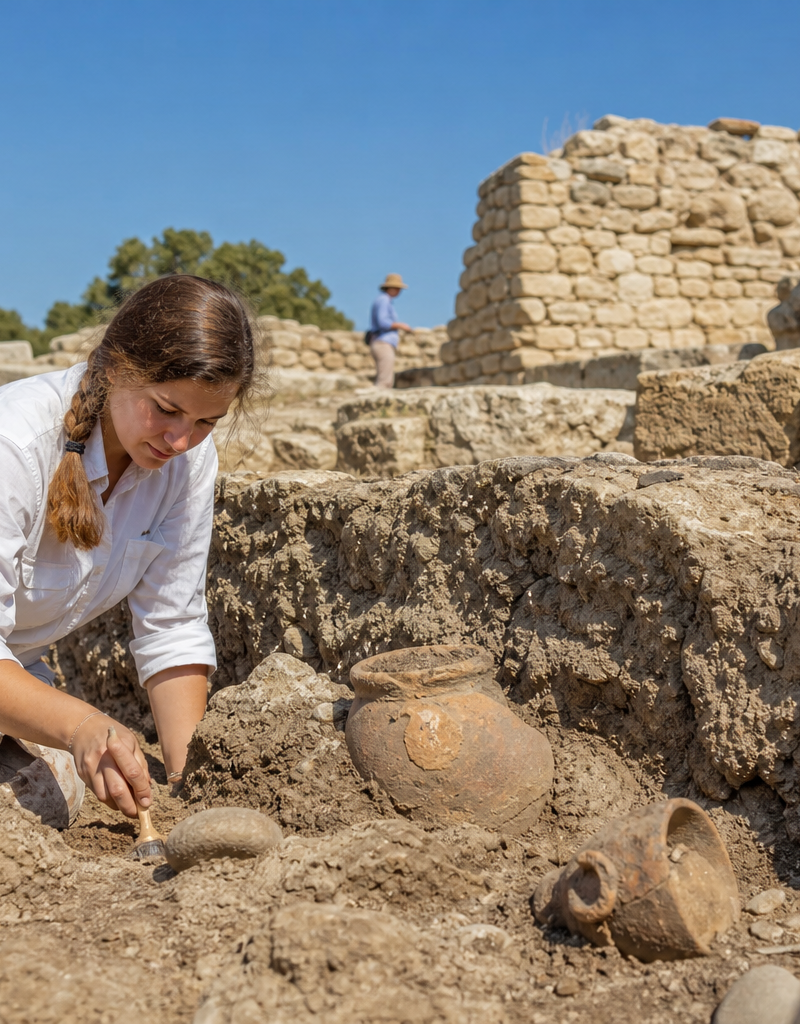
When a name flickers through the centuries with the light of both poetry and war, it invites a certain kind of searching that combines imagination with method. Troy — Ilios,…

For millennia, the civilization of Ancient Egypt was a land of profound and unnerving silence. Its magnificent temples, colossal statues, and lavish tombs stood as mute…

In the shadow of a seemingly dormant mountain, life in the Roman city of Pompeii hummed with a familiar, vibrant rhythm. It was, by all accounts, a day like any other in the late…
""Archaeology is the only discipline where murder is not a crime."
""We don't dig objects. We dig people behind the objects."
It's hard to choose just one: the Rosetta Stone, Tutankhamun's tomb, and Pompeii are among the most revolutionary.
Main methods include radiocarbon dating (C-14), dendrochronology, and thermoluminescence.
C.W. Ceram (1949)
Book
National Geographic (2021)
Documentary
Subscribe to our newsletter and receive the most fascinating stories every week.