Great Revolutions

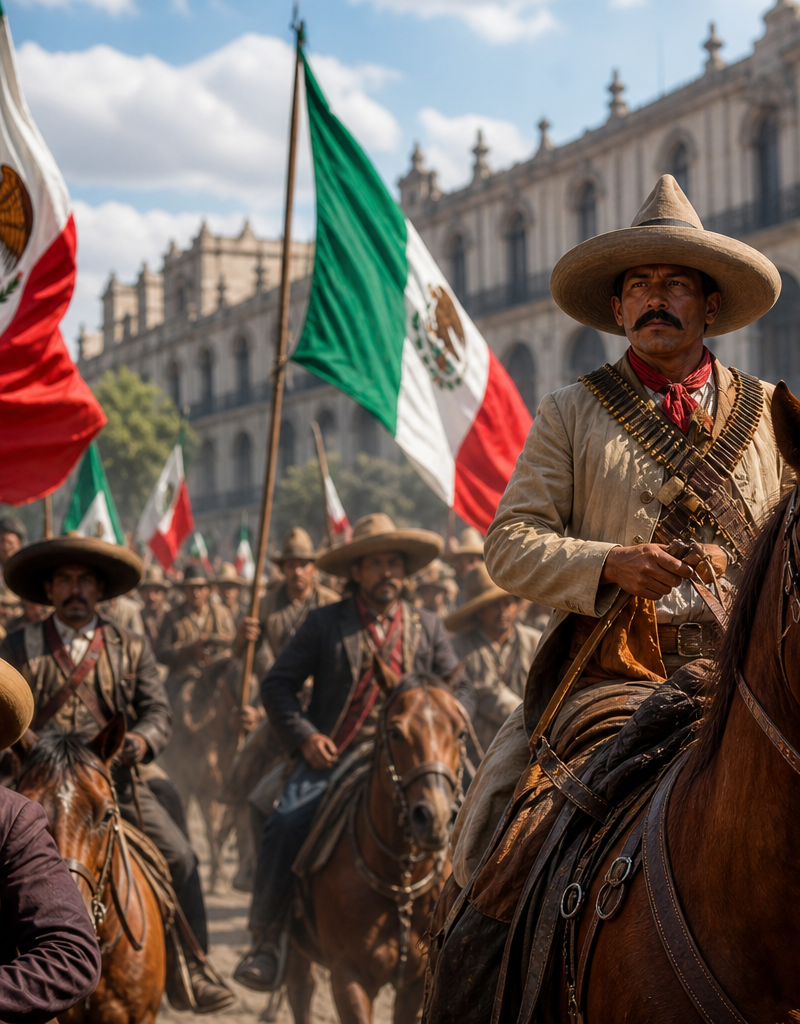
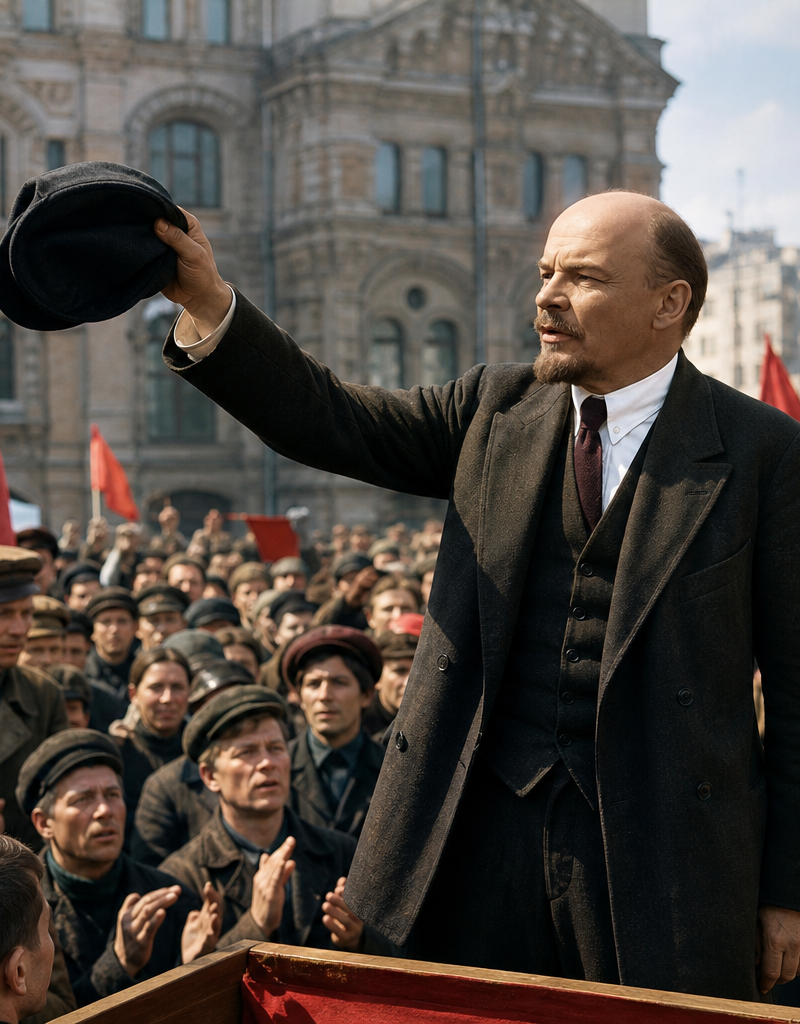
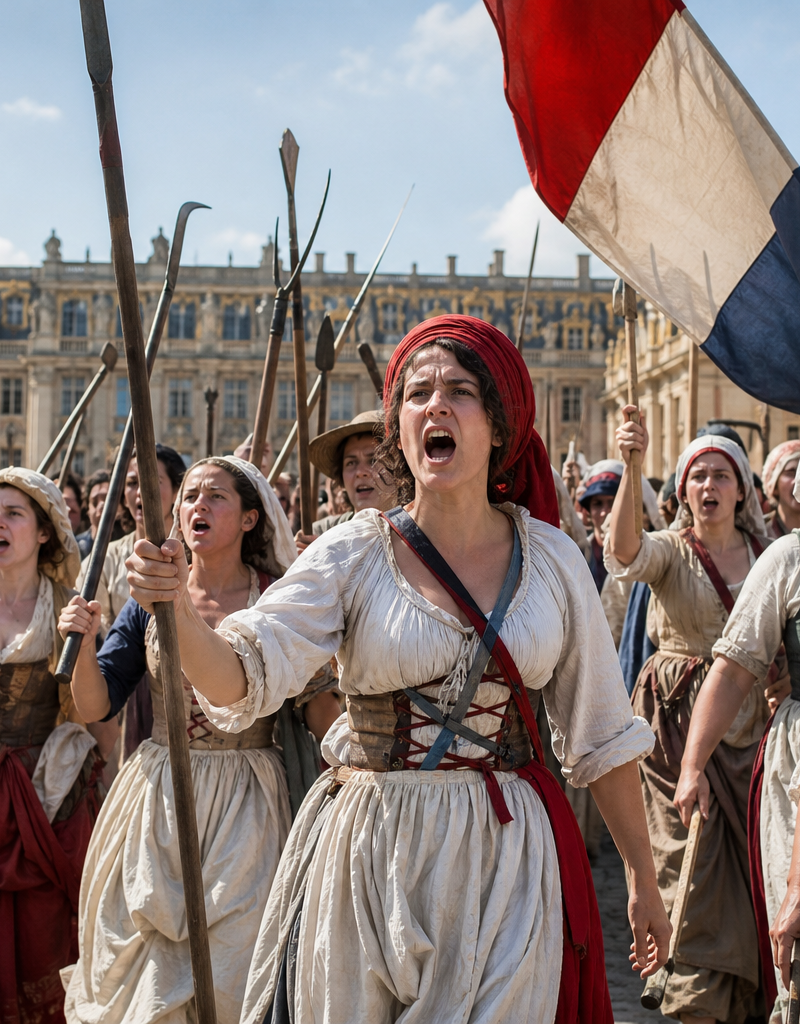
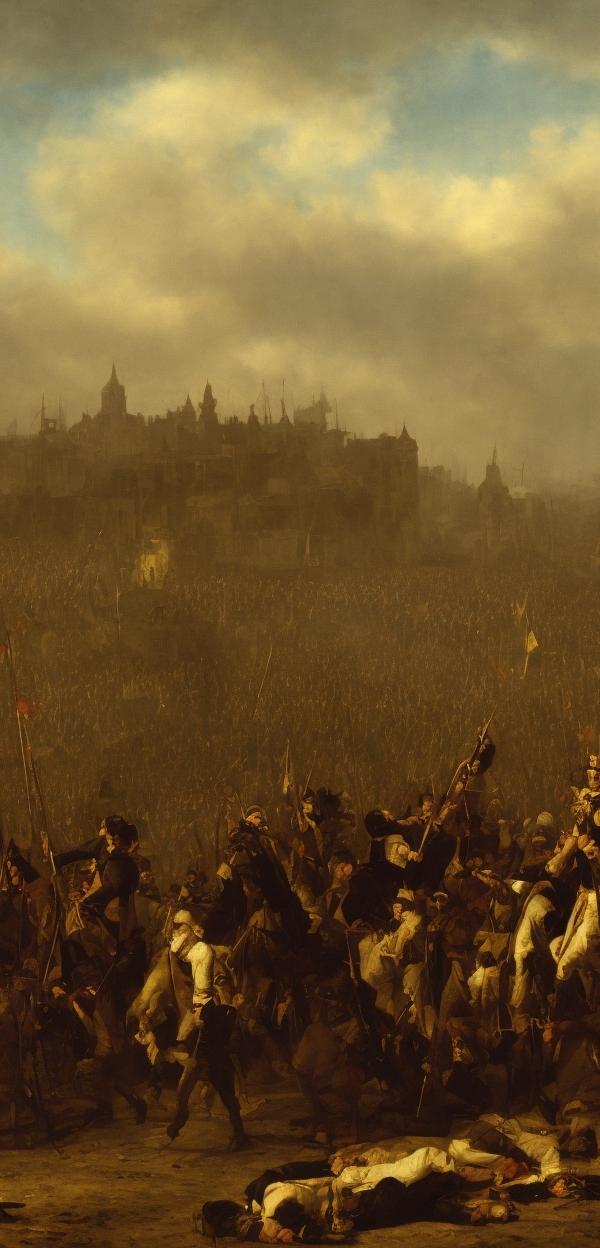
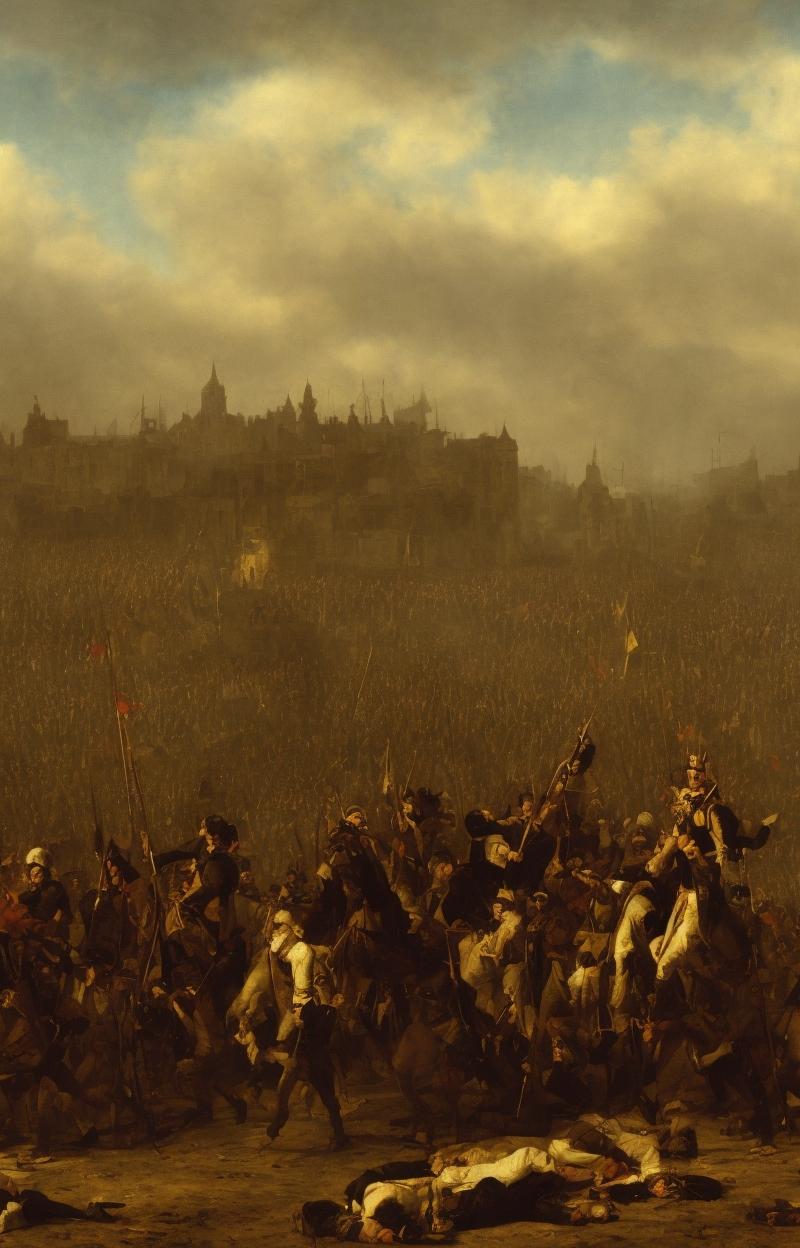
    Great revolutions have reshaped the course of history. From the French Revolution to the Russian Revolution, these mass movements toppled regimes, liberated peoples, and created new political and social orders.

    14

    articles

    17

    min read

    Great Revolutions

    Deep Dive

    Revolutions are the earthquakes of history: they destroy the existing order and create a new one, often in unpredictable ways. From the storming of the Bastille to the Russian Revolution, every great revolution has left scars and achievements that still shape our daily lives.

    1Anatomy of a revolution: recurring patterns

    Historian Crane Brinton identified a common pattern in all great revolutions: a weak regime, a moderate phase, the rise of extremists (the 'Terror'), and normalization often with an authoritarian return. This pattern repeats from the French to the Russian, from the Chinese to the Iranian Revolution.

    2The French Revolution: mother of all revolutions

    On July 14, 1789, the storming of the Bastille was not a significant military event, but a devastating symbolic act. From that day, concepts we now consider obvious — human rights, popular sovereignty, separation of powers — were born.

    Key Facts

    01
    1776

    The American Declaration of Independence

    02
    1789

    Storming of the Bastille: the French Revolution begins

    03
    1848

    The Spring of Nations shakes Europe

    04
    1917

    The October Revolution in Russia

    Did You Know?

    💡

    The guillotine was proposed as a 'humane' method of execution by Dr. Joseph-Ignace Guillotin.

    💡

    The American Revolution was largely financed by France, which wanted to weaken its British rival.

    💡

    During the 1917 Russian Revolution, the Winter Palace was defended by a women's battalion.

    Top 5 Articles

    All Articles

    Glossary

    Ancien Régime
    Pre-revolutionary France's political-social system based on absolute monarchy and aristocratic privileges.
    Jacobins
    Radical political group of the French Revolution led by Robespierre, responsible for the Terror.
    Proletariat
    Working-class wage earners, central in Marxist theory and socialist revolutions.

    Quotes

    "

    "Revolution is not a dinner party."

    Mao Zedong
    "

    "Man is born free, and everywhere he is in chains."

    Jean-Jacques Rousseau

    Frequently Asked Questions

    1What was the most influential revolution in history?

    The French Revolution (1789) is generally considered the most influential for its impact on democracy, human rights, and the modern state.

    2Do revolutions always achieve their goals?

    Rarely. Many revolutions lead to instability, dictatorships, or new conflicts before reaching a lasting social balance.

    Recommended Resources

    📖

    The French Revolution

    Albert Soboul (1962)

    Book

    📖

    Ten Days That Shook the World

    John Reed (1919)

    Book

    Stay Updated

    Subscribe to our newsletter and receive the most fascinating stories every week.