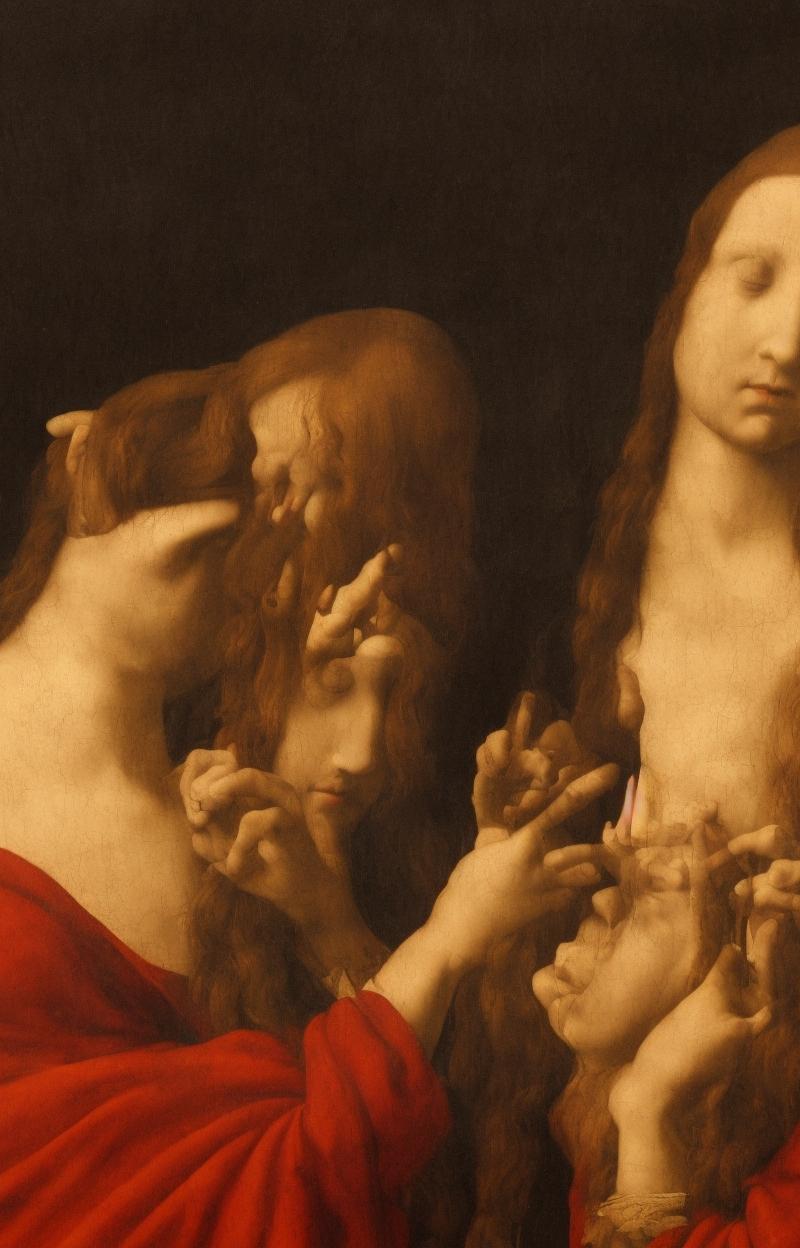
The Renaissance of Sight: How Perspective Transformed Art
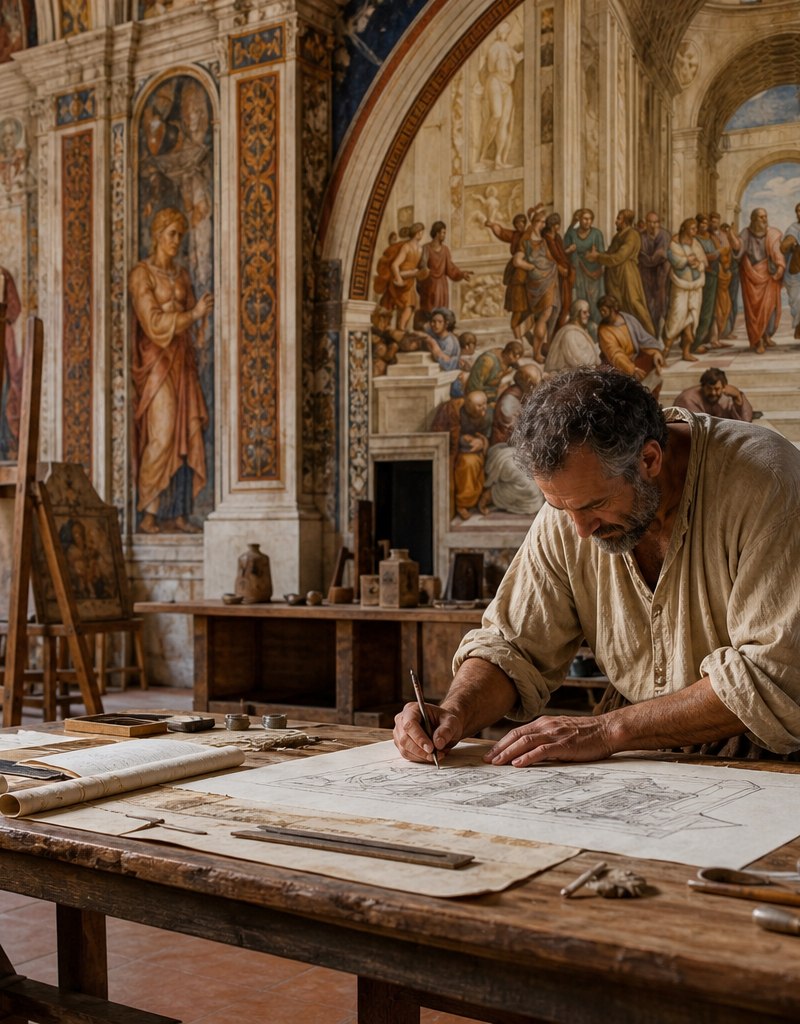
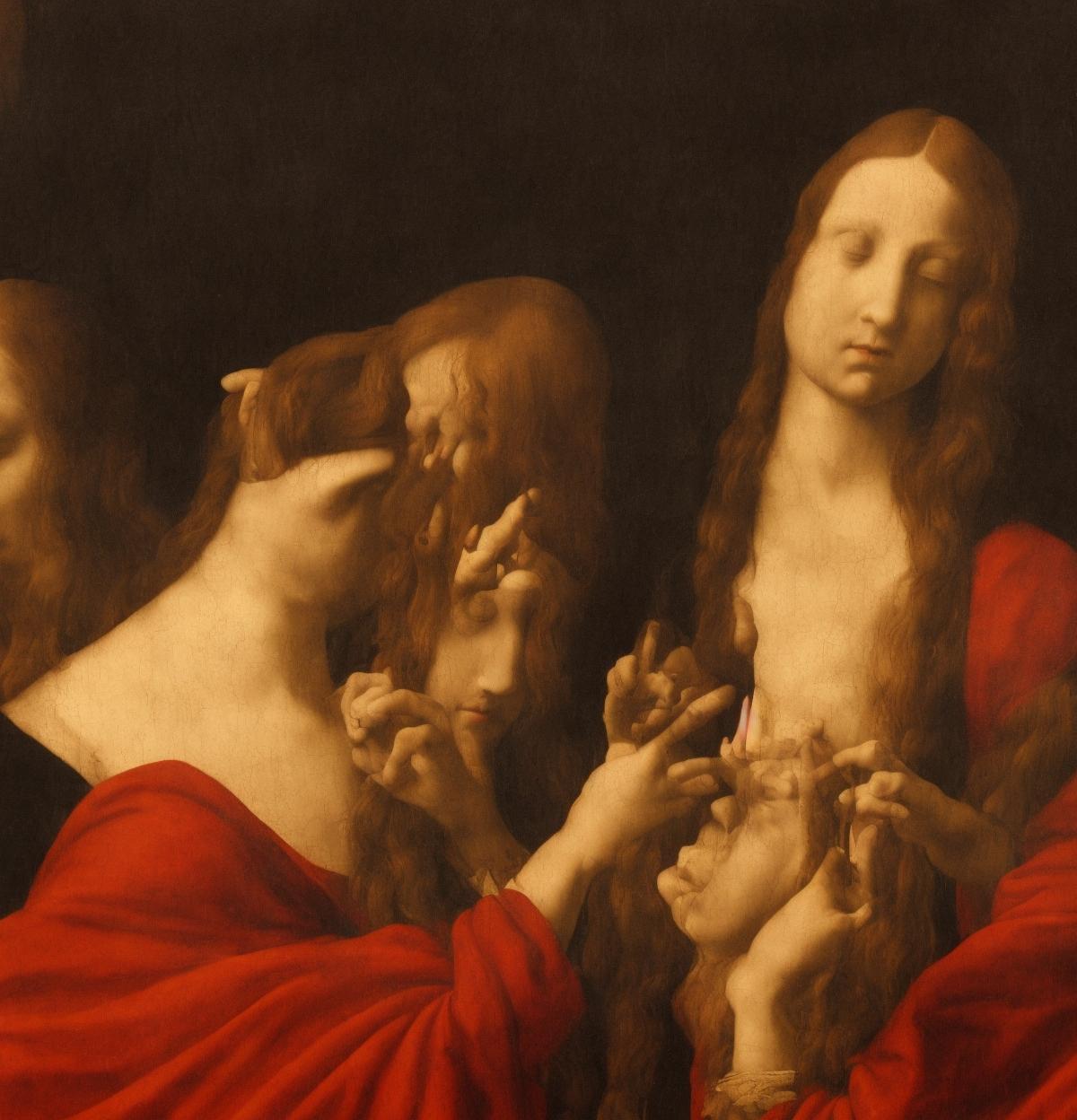
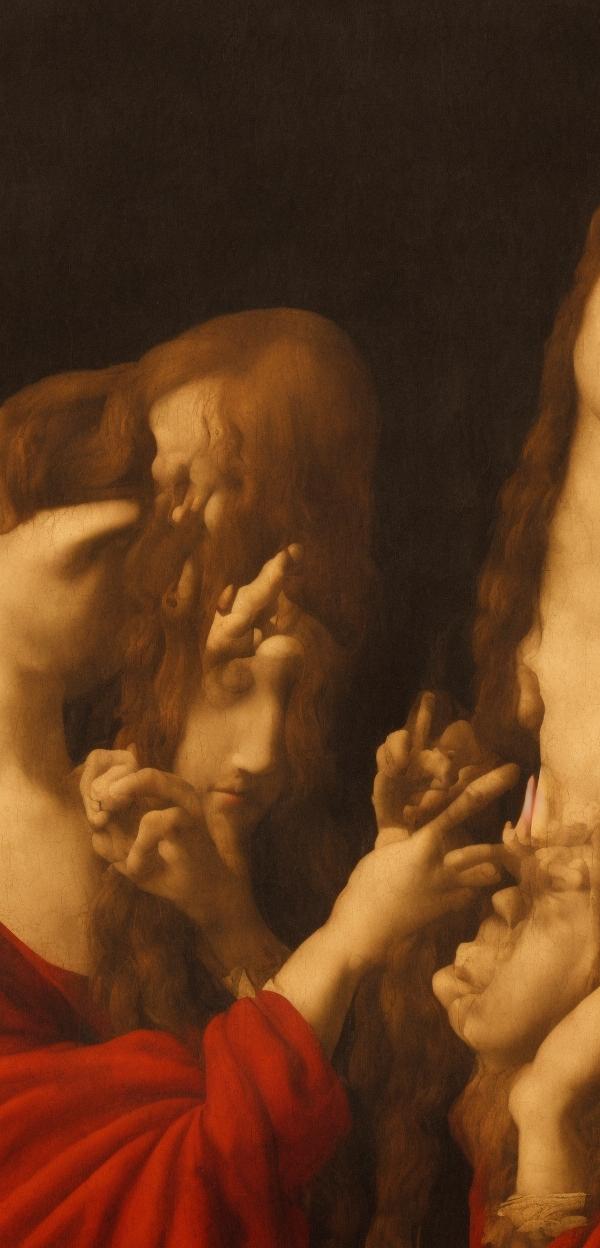
The Renaissance did not simply repaint the world; it taught Europe to see it anew. In the early fifteenth century a string of discoveries, experiments, and theoretical writings…
Art is the universal language of human history. From cave paintings to Gothic cathedrals, every work hides symbols and messages waiting to be deciphered. In this section, we explore the hidden meanings behind history's greatest masterpieces.
15
articles
17
min read

The Renaissance did not simply repaint the world; it taught Europe to see it anew. In the early fifteenth century a string of discoveries, experiments, and theoretical writings converged to create what we now call perspective: a coherent method for rendering three-dimensional space on a two-dimen...
Read articleArt is much more than what the eye sees. Every historical artwork is an encrypted document, a coded message from its creator to communicate meanings far beyond the visual surface.
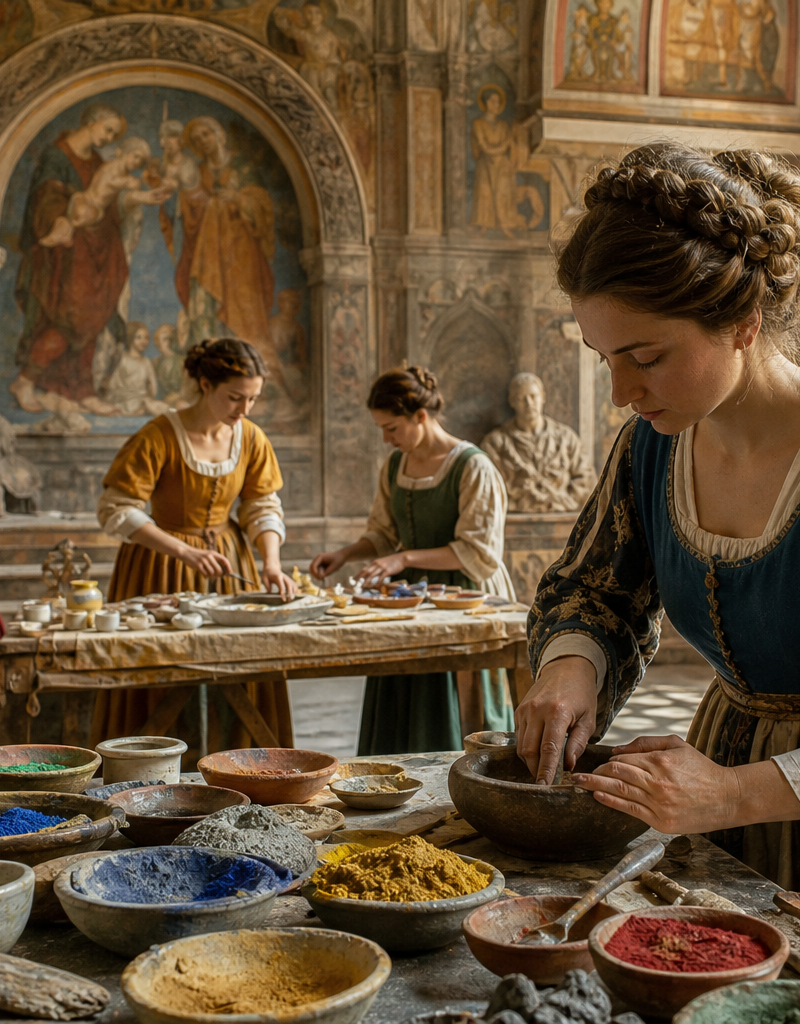
The lily represents purity, the skull vanitas, the scales justice. But symbols are neither universal nor static: the serpent, a symbol of evil in Christianity, was sacred in Greek medicine (the caduceus). The color blue, associated with the Virgin Mary in the Middle Ages, was the most expensive pigment (lapis lazuli from Afghanistan).
The powerful have always used art as propaganda. Egyptian pharaohs built colossal monuments to proclaim their divinity. Renaissance popes commissioned masterpieces to assert the Church's authority.
First cave paintings in European caves
Birth of hieroglyphic writing in Egypt
Leonardo da Vinci begins the Mona Lisa
Michelangelo begins the Sistine Chapel ceiling
Ultramarine blue in Renaissance paintings came from Afghan lapis lazuli and cost more than gold.
Leonardo da Vinci wrote his notes backwards, readable only in a mirror, likely to protect their content.
The Sistine Chapel contains over 300 human figures painted by Michelangelo in just four years.

The Renaissance did not simply repaint the world; it taught Europe to see it anew. In the early fifteenth century a string of discoveries, experiments, and theoretical writings…

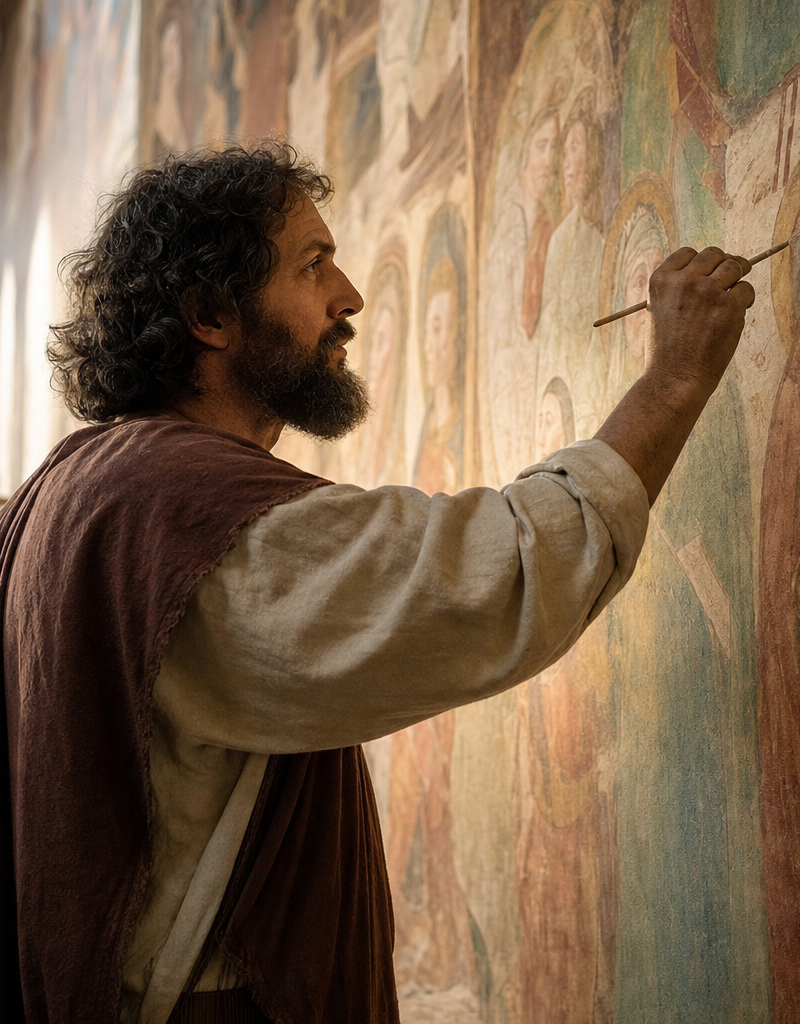
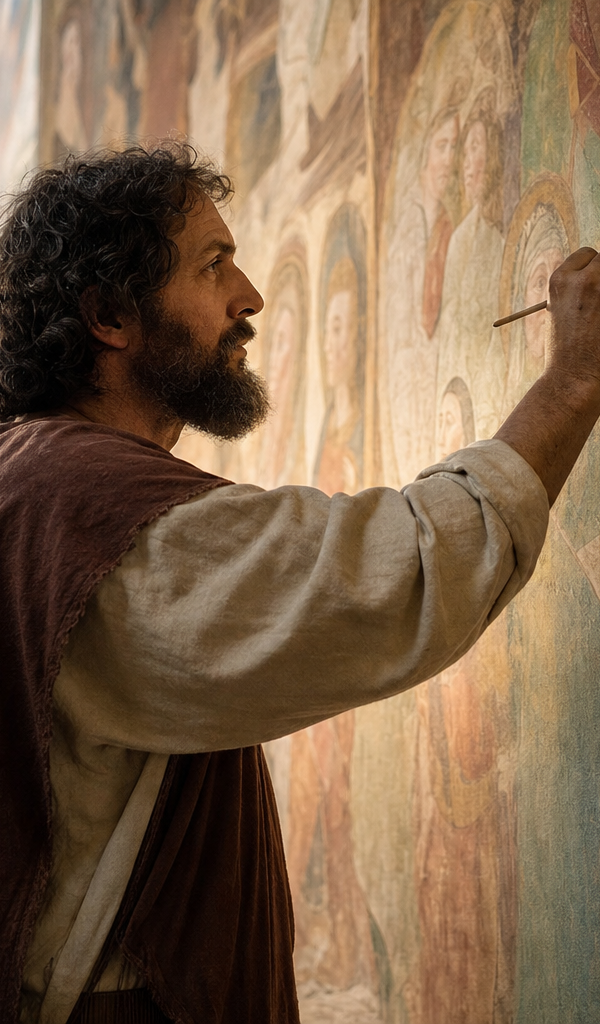
In the annals of art history, few figures stand as tall or cast as long a shadow as Giotto di Bondone. Emerging from the twilight of the Middle Ages, an era dominated by the…

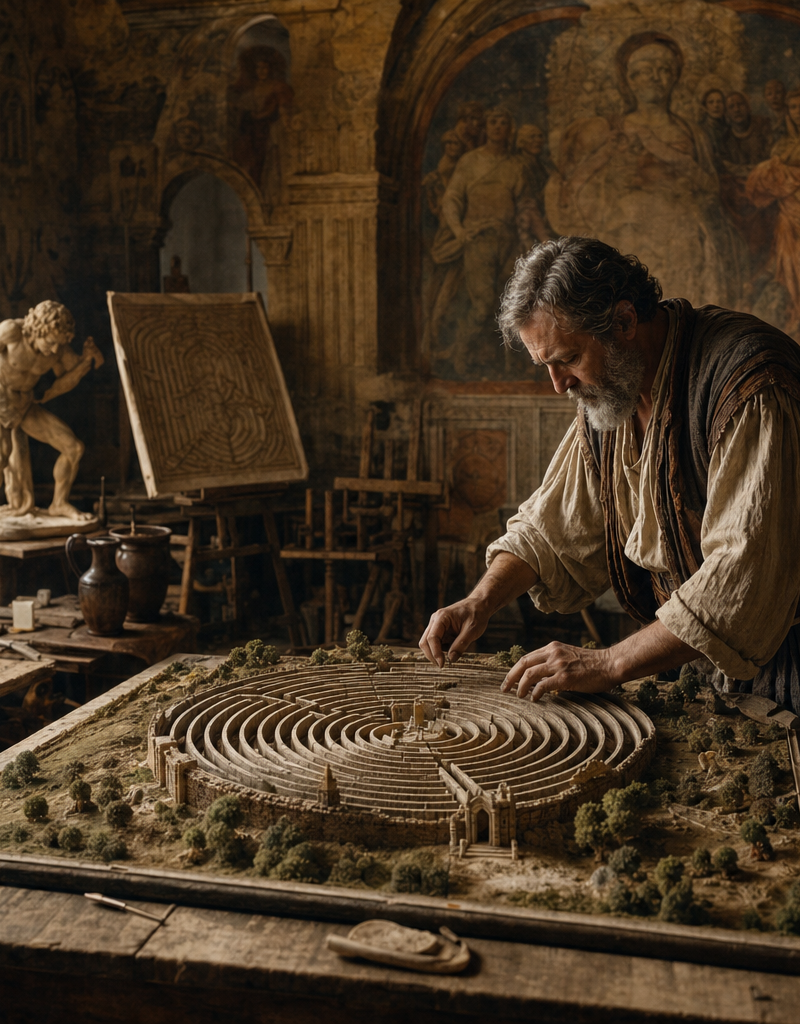
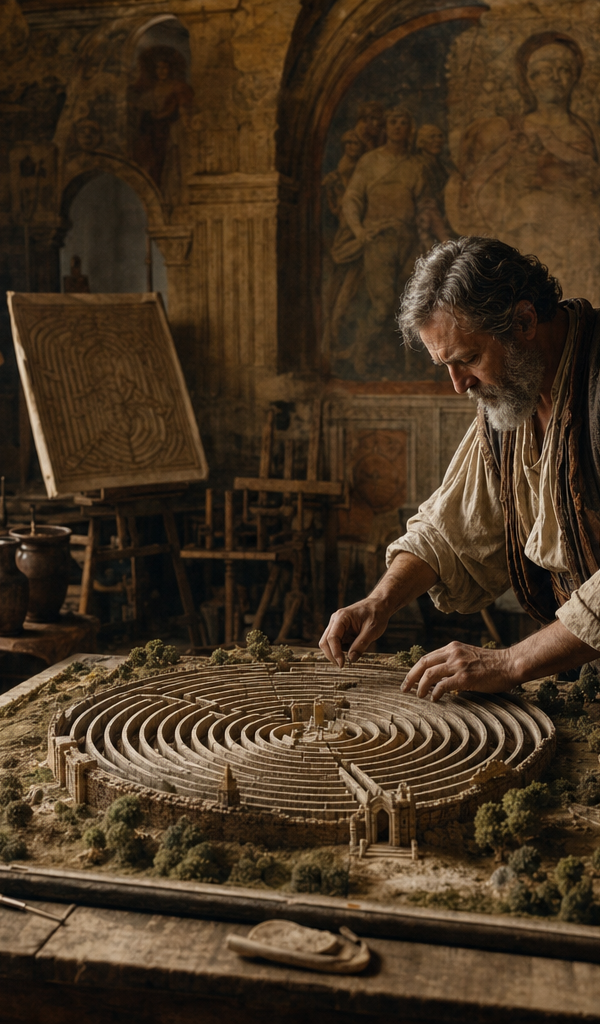
The labyrinth is one of those images that seems to live in the collective shadow of human history, a braided sign that draws us inward and makes us pause. It appears in pottery…

In the hot wash of Nile light and the dry hush of desert sand, Egyptian art emerges not merely as decoration but as a deliberate language—an art of eternity fashioned to outlast…

Step into a museum and gaze upon the silent, marble-white statues of Greece and Rome. Their blank eyes and pale forms project an image of a serene, monochrome past. We imagine…

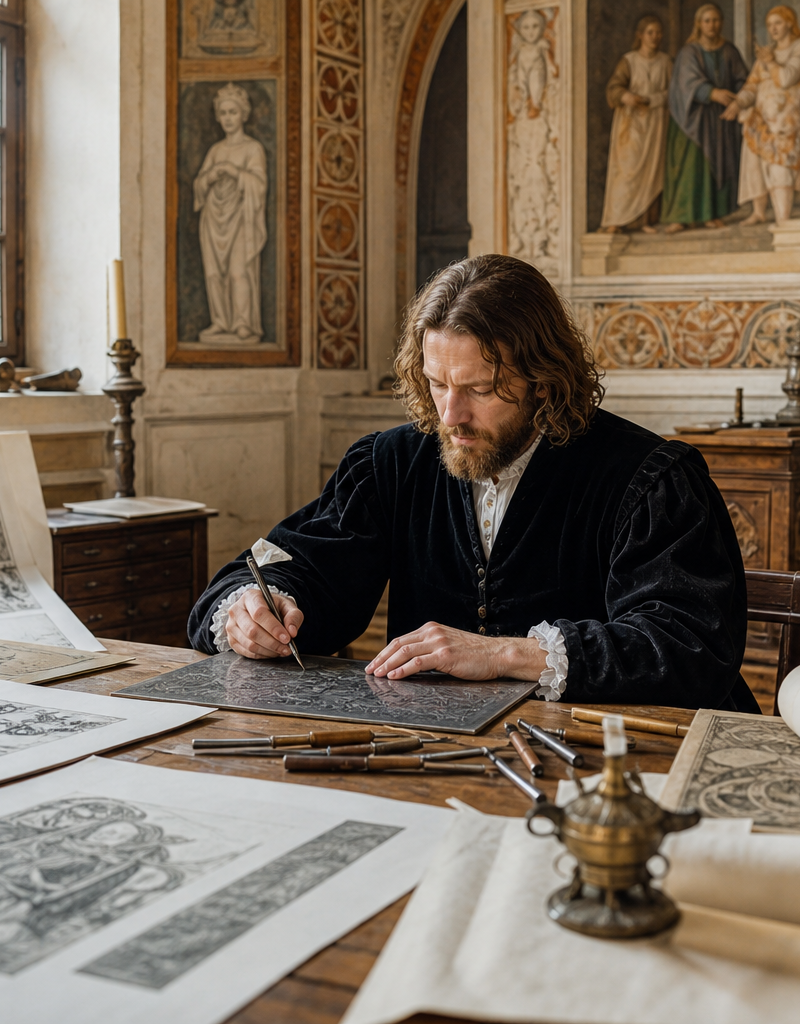
Albrecht Dürer’s prints are like rooms in a house with locked doors — the visitor can stand outside and admire the façade, but the moment of entry reveals a geometry of thought,…

In the hushed light of an Andalusian courtyard or inside the cool vaults of an Ottoman mosque, one can feel the discipline of a thousand disciplines condensed into a single…

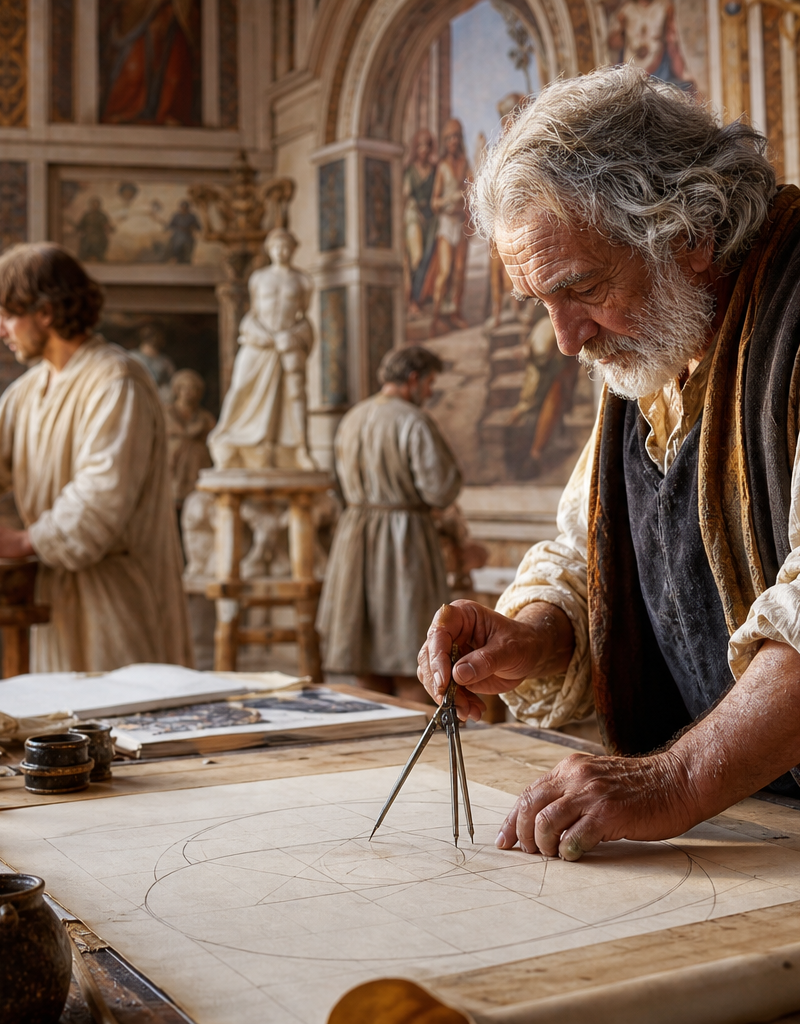
The Golden Ratio has long prowled the edges of art, mathematics and myth like a mysterious patron who refuses to show a single face. To some it is a precise key—a mathematical…

For as long as humans have gathered to face the sky together, they have fashioned spaces that were not merely functional but profoundly intentional: places where stone, light,…
""Every artist dips his brush in his own soul, and paints his own nature into his pictures."
Symbols allow artists to communicate deep meanings beyond visual representation, creating multiple layers of interpretation.
The lily (purity), skull (vanitas), dove (Holy Spirit), serpent (temptation), and light (divine).
Ernst Gombrich (1950)
Book
Giorgio Vasari (1550)
Book
Subscribe to our newsletter and receive the most fascinating stories every week.