Mu: The Lost Continent — Myth, Science, and Cultural Afterlives
The idea of a sunken continent named Mu sits at the crossroads of imagination and the scientific record. For more than a century, Mu has captivated writers, spiritualists, and…
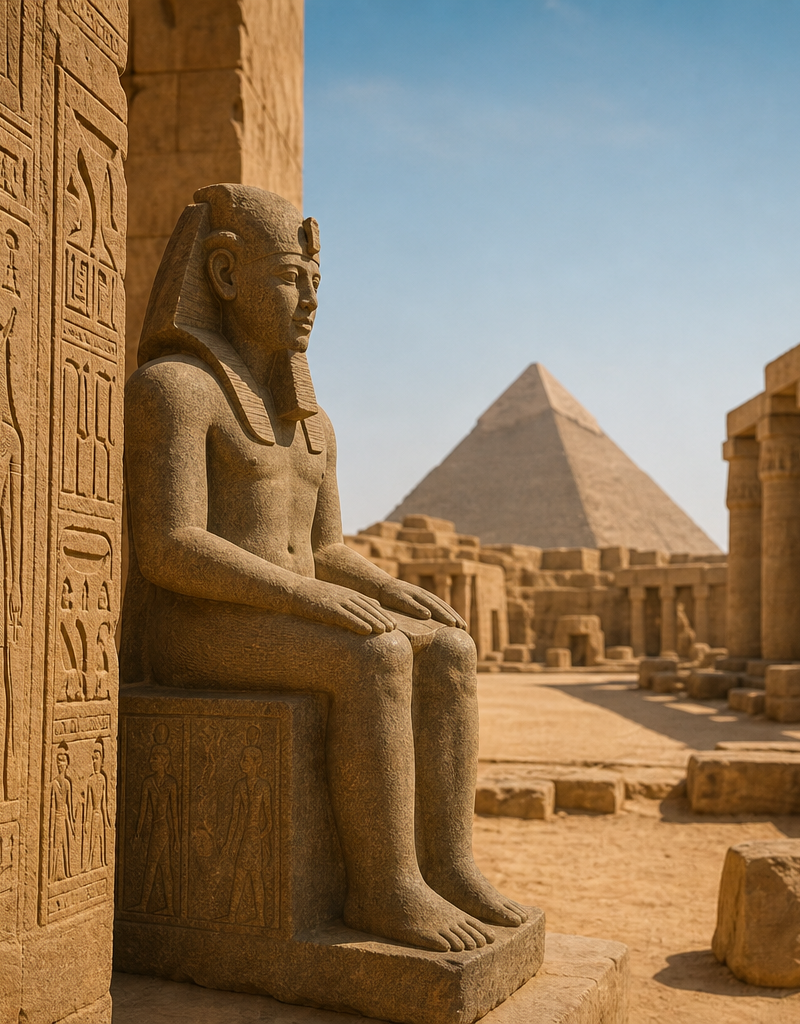
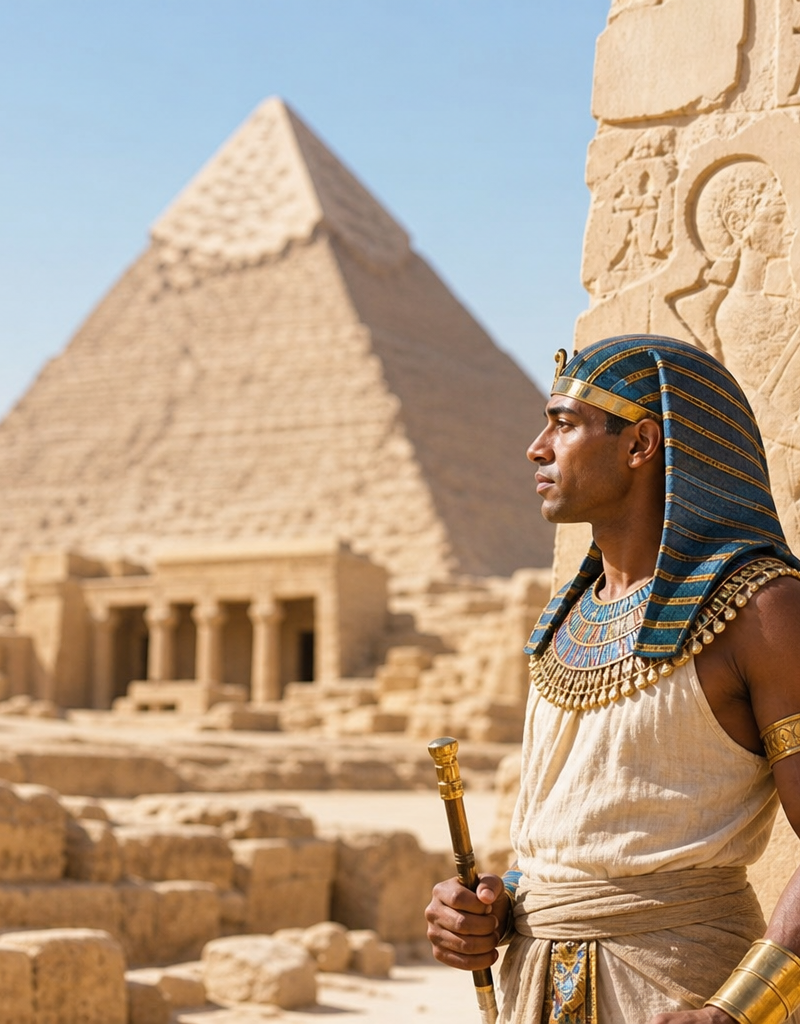
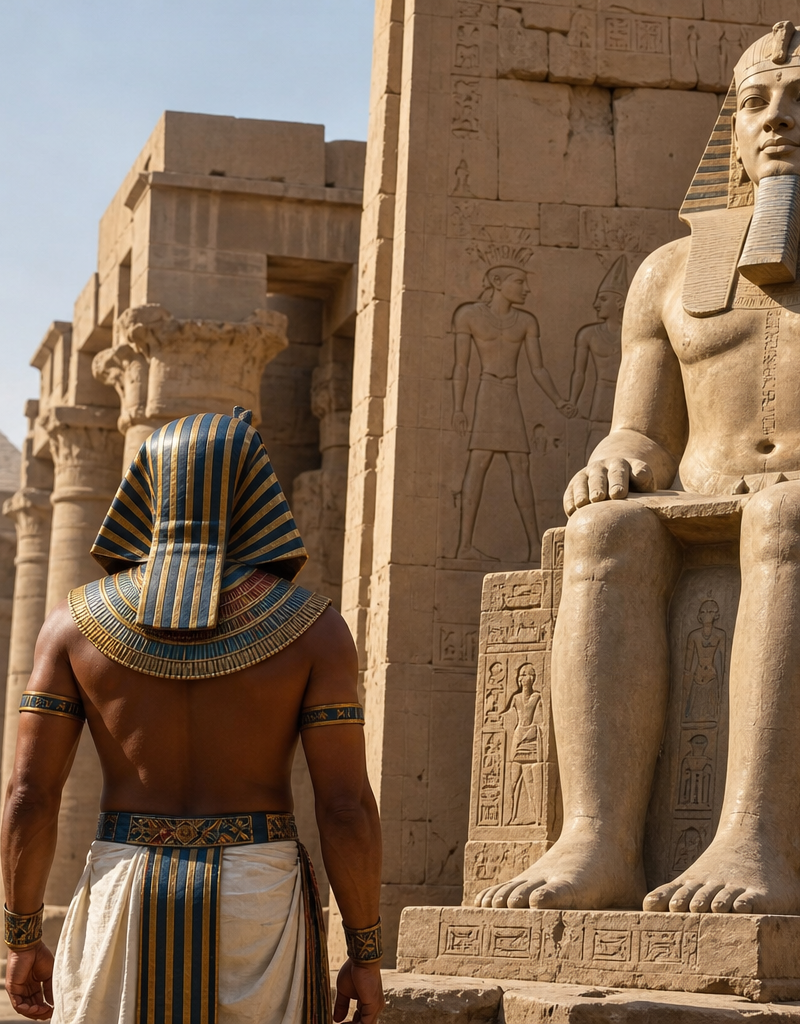
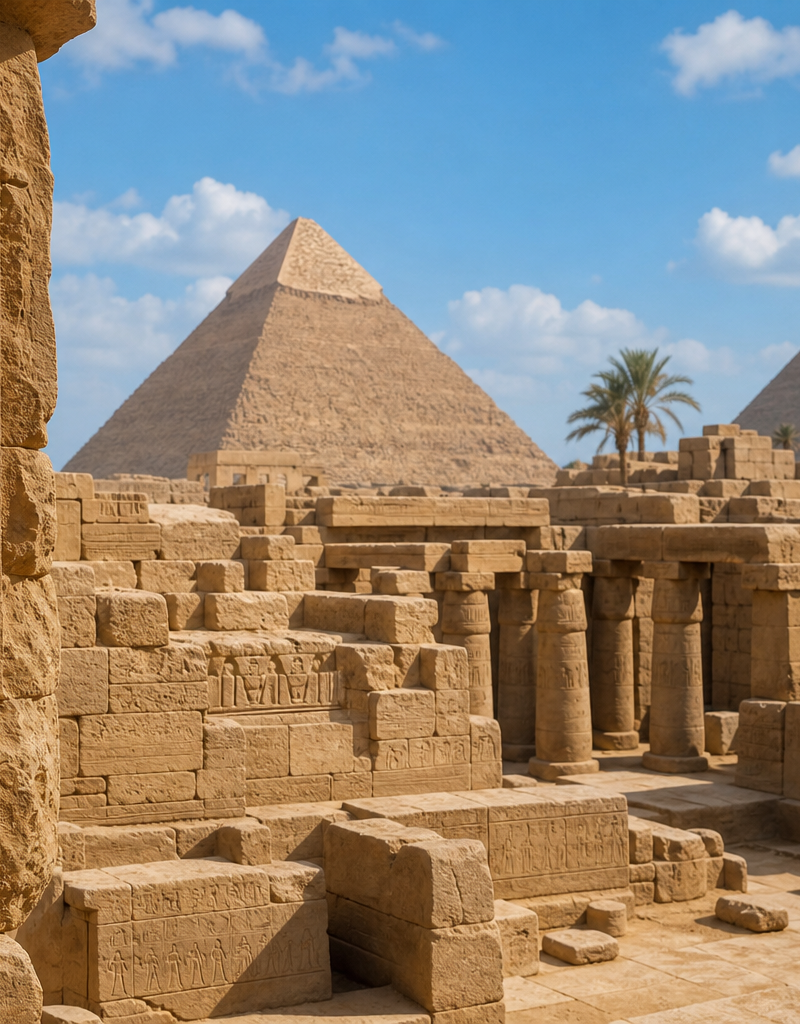
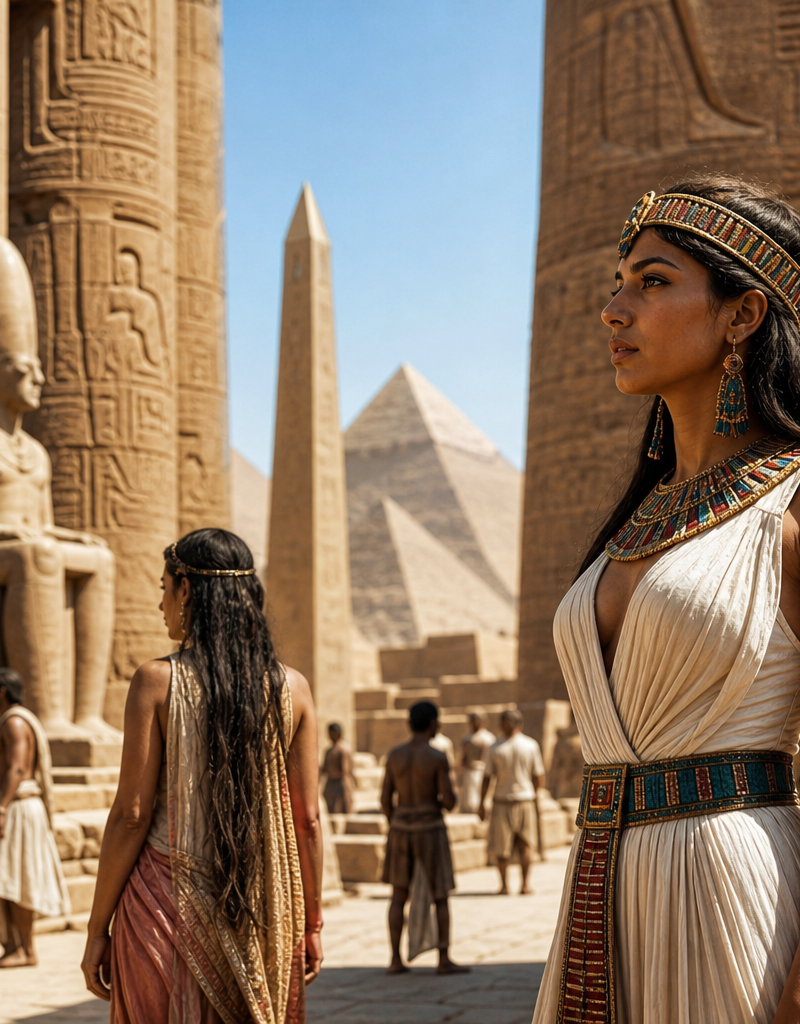
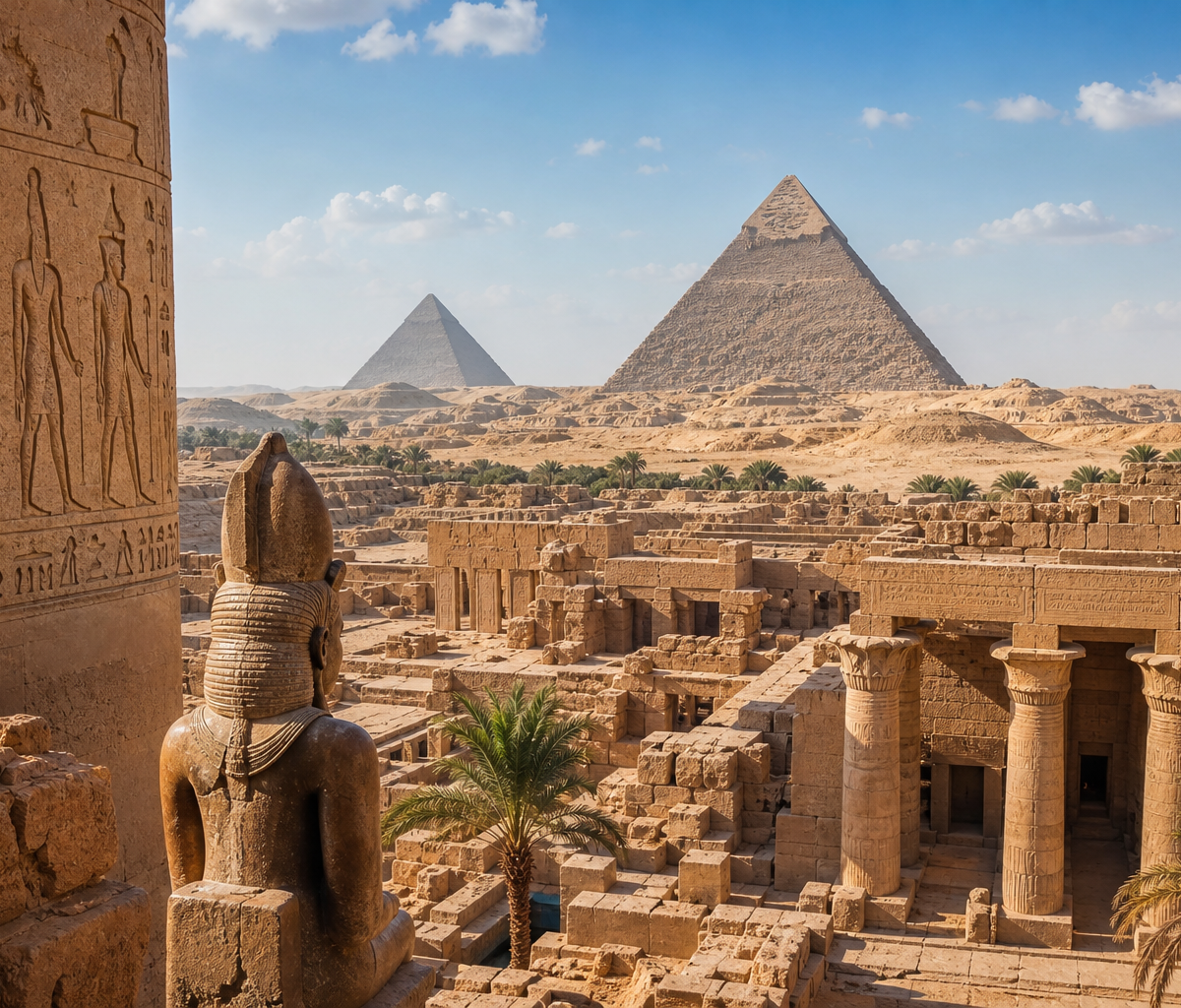
Ancient Egypt and lost civilizations continue to exert an irresistible fascination. Colossal pyramids, divine pharaohs, mysterious hieroglyphics, and civilizations vanished into thin air: in this section, we unveil the deepest secrets of cultures that shaped the ancient world.
12
articles
16
min read

The idea of a sunken continent named Mu sits at the crossroads of imagination and the scientific record. For more than a century, Mu has captivated writers, spiritualists, and adventure-seekers who paint it as a cradle of an advanced prehistoric civilization that once dominated the Pacific. But t...
Read articleAncient Egypt exerts a fascination no other civilization can match. Three thousand years of uninterrupted history, colossal monuments defying time, a complex religion based on the afterlife, and mysteries that modern science is only beginning to unravel.
No civilization in history maintained cultural continuity comparable to that of Egypt. From the first pharaohs of the Old Kingdom (2686 BC) to the Roman conquest (30 BC), Nile civilization maintained a recognizable identity for thirty centuries. The pyramids of Giza, each built with over 2 million limestone blocks, remain the most imposing testimony to Egyptian organizational capacity.
History is dotted with civilizations that flourished for centuries before mysteriously disappearing. The Minoans of Crete dominated the Mediterranean with a refined culture. The Indus Valley civilization, with perfectly planned cities like Mohenjo-Daro, disappeared around 1900 BC. The Maya suddenly abandoned their great jungle cities between 800 and 1000 AD.
Unification of Upper and Lower Egypt under the first pharaoh
Construction of the Great Pyramid of Giza
The Minoan Empire mysteriously disappears
Cleopatra's death marks the end of pharaonic Egypt
Cleopatra lived closer in time to the first iPhone than to the building of the Great Pyramid.
Ancient Egyptians loved cats so much that killing one, even accidentally, was punishable by death.
The Indus Valley civilization had a sewage system more advanced than many European cities until the 19th century.

The idea of a sunken continent named Mu sits at the crossroads of imagination and the scientific record. For more than a century, Mu has captivated writers, spiritualists, and…

From the misty river basins of Veracruz and Tabasco, an ancient culture emerges in fragments: massive basalt heads, enigmatic jade masks, and low, earthen mounds that once…

In the soft hush before the rivers were named as empires would later name them, Mesopotamia — the land between the Tigris and Euphrates — gathered the first experiments in…

The dry light of the Nile Valley holds both bones and stories. For more than a century the phrase "the Curse of the Pharaohs" has been shorthand for a very specific,…

The Indus Valley Civilization, often called the Harappan Civilization, remains one of human history's most enthralling enigmas. Flourishing in the broad alluvial plains of the…

The Etruscans have long been one of the most compelling enigmas of ancient Italy: a people who rose to wealth and artistic sophistication in the centuries before Rome’s…

In the dusty plains of modern-day Iraq, buried beneath millennia of sand and sediment, lie the scattered remains of a city that once reigned as the heart of the known world:…

The island of Crete rises from the blue of the Mediterranean as if it were a stage set for one of history's earliest and most enigmatic dramas. Between roughly 3000 and 1100 BCE,…

The sea was the stage on which the Phoenicians built their world. Emerging along the narrow coastal strip of the Levant—centers such as Tyre, Sidon and Byblos—the Phoenicians…
""I see wonderful things!"
Scholars believe thousands of workers transported stone blocks using ramps, sleds, and levers in a project lasting decades.
Among the most famous: the Minoans, Olmecs, Indus Valley civilization, Atlantis (legendary), and the Nok culture in Africa.
Mika Waltari (1945)
Book
National Geographic (2020)
Documentary
Subscribe to our newsletter and receive the most fascinating stories every week.