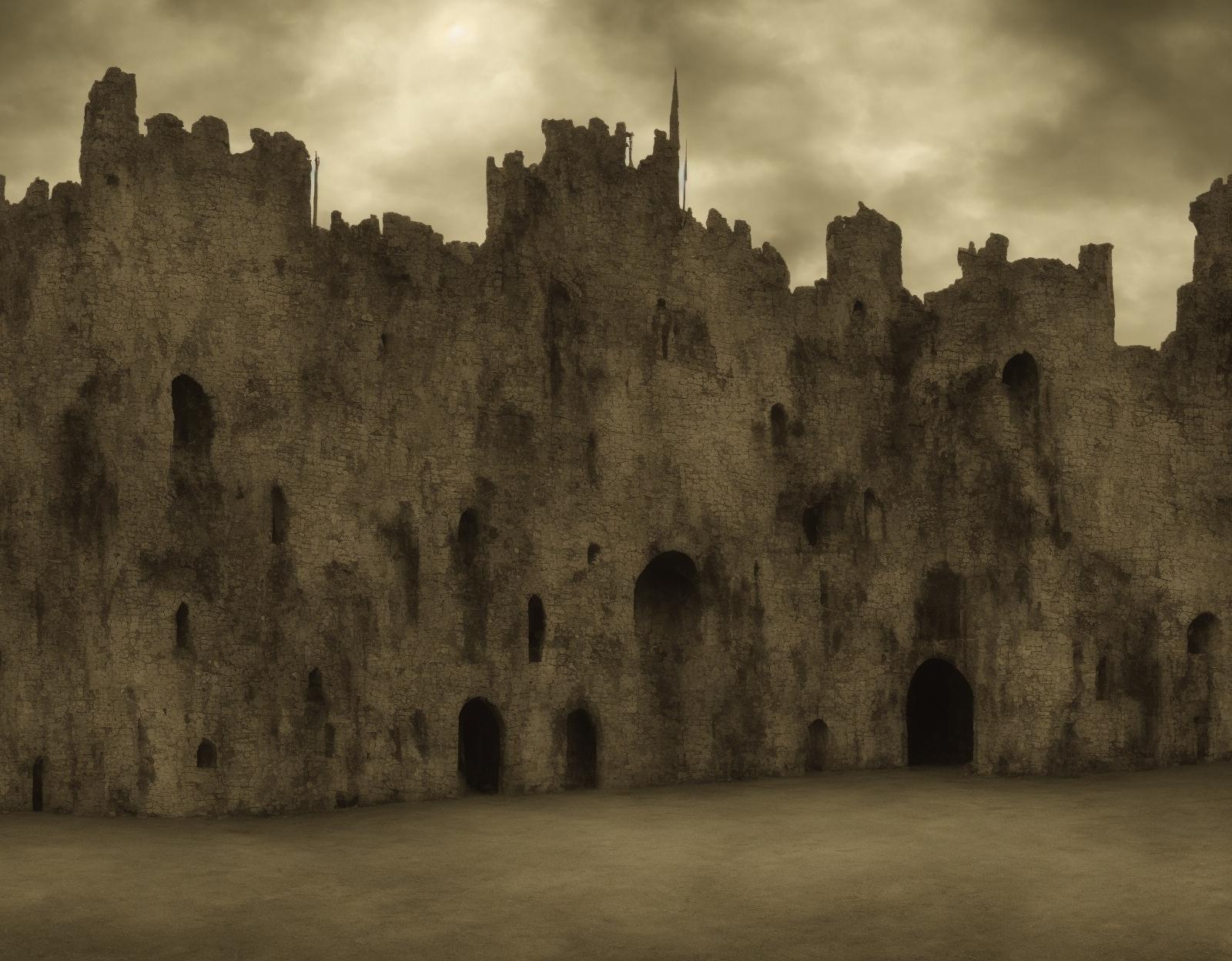
The Unseen Architects: Benedictine Monks and the Shaping of Medieval Europe
The early medieval period, often popularly characterized as a "Dark Age," was in many respects illuminated by the quiet, diligent work of monastic communities. Amidst the chaos of collapsing empires, migrations, and nascent kingdoms, one order rose to prominence, becoming a cornerstone of social, intellectual, and spiritual life: the Benedictines. Their legacy is not solely found within the hallowed walls of abbeys but is interwoven into the very fabric of European civilization, influencing everything from agricultural practices and technological innovation to education and the preservation of classical knowledge. To understand medieval Europe without acknowledging the profound impact of Benedictine monasticism is to miss a crucial, vibrant thread in the tapestry of history. These silent architects, bound by vows of stability, obedience, and poverty, did more than merely withdraw from the world; they actively, though often subtly, reshaped it, laying the groundwork for future advancements and safeguarding the cultural heritage that might otherwise have been lost to the tides of time and turmoil. Their story is one of unwavering dedication, intellectual curiosity, and a spiritual discipline that permeated every aspect of their lives and, by extension, the world around them. We shall delve into their origins, their enduring Rule, and the multifaceted ways in which these humble monks sculpted an era, often in profound silence, yet with an impact that still resonates today.
The Dawn of Monasticism and Saint Benedict's Vision
The origins of Christian monasticism predate Benedict of Nursia, with roots stretching back to the desert fathers and mothers of Egypt and Syria in the 3rd and 4th centuries. Figures like Saint Anthony the Great embodied an ascetic ideal, withdrawing from society to live a life of prayer and contemplation, often in extreme solitude. However, this early, often hermitical, form of monasticism, while spiritually potent, lacked the organizational structure necessary for widespread, sustainable community life. It was a path for the truly exceptional, not easily replicable for the masses seeking a dedicated spiritual existence. The very intensity of the ascetic practices, and the individualistic nature of the pursuit, often made it difficult to form cohesive communities that could endure over generations. Moreover, the lack of a standardized rule meant that each community, or even each individual hermit, operated under their own interpretation of spiritual discipline, which could lead to inconsistencies and, at times, excesses. As Christianity expanded and became the state religion of the Roman Empire, there was a growing need for a more structured approach to monastic life, one that could accommodate larger numbers of individuals and provide a stable framework for spiritual growth and communal living. This need for order, moderation, and communal stability was precisely what Saint Benedict of Nursia addressed with his revolutionary Rule.
Born around 480 AD in Nursia, Italy, Benedict initially pursued studies in Rome but soon became disillusioned with the moral decay he witnessed in the city. He retreated to a cave in Subiaco, embarking on a solitary life of prayer for three years. His reputation for holiness grew, attracting followers, and he eventually established a series of monasteries. The culmination of his wisdom and experience came with the writing of his 'Rule for Monasteries' (Regula Monachorum) around 530-540 AD. This document, remarkably concise yet incredibly comprehensive, would become the foundational text for Western monasticism. Unlike earlier monastic rules, which could be overly strict or highly individualized, Benedict's Rule championed a balanced approach, emphasizing prayer, work, and study, all within a communal context guided by an abbot. It was a practical manual, addressing every aspect of daily monastic life, from liturgical prayer and manual labor to the reception of guests and the care of the sick. The genius of the Rule lay in its moderation and adaptability, avoiding the extreme ascetical practices common in earlier forms of monasticism. It provided a clear, yet flexible, framework for living a dedicated Christian life, fostering a sense of stability and common purpose that would allow monastic communities to thrive even amidst political and social upheaval. Benedict's vision was not just for spiritual retreat, but for the creation of self-sufficient, ordered communities that could serve as beacons of peace and learning in a turbulent world. This moderation, coupled with a strong emphasis on obedience to the abbot, and a clear daily schedule, set the Benedictine Rule apart, making it infinitely more scalable and enduring than its predecessors. It was a stroke of organizational genius, imbued with profound spiritual insight, that would soon spread across the continent.
Did you know? Saint Benedict’s twelve monasteries around Subiaco were reportedly managed by a single abbot, showing early organizational principles even before the formal Rule was widely disseminated. This experience likely informed his later detailed guidelines for abbatial leadership.
The Rule of Saint Benedict: A Blueprint for Stability
The Rule of Saint Benedict is far more than a set of regulations; it is a profound spiritual treatise and a masterful guide for communal living. Its enduring power lies in its comprehensive scope and its emphasis on moderation, stability, and obedience. At its heart, the Rule seeks to provide a structured path to holiness, fostering an environment where monks can grow spiritually while contributing to the common good of the community. Central to this is the concept of ora et labora – 'prayer and work.' This wasn't merely a slogan but a deeply integrated philosophy that structured the entire monastic day. Hours were precisely allocated for the Divine Office (liturgical prayer), sacred reading (lectio divina), and manual labor. This balance ensured that monks were not only engaged in spiritual contemplation but also contributed to the material sustenance of the monastery, making it largely self-sufficient. The opus Dei, or 'work of God,' referring to the liturgical prayers, was considered the most important activity, taking precedence over all others. Monks would gather seven times a day for these prayers, reflecting a constant dedication to God throughout their waking hours. This constant rhythm of prayer instilled discipline and a deep sense of purpose, reminding them of their ultimate spiritual goal.
Beyond prayer and work, the Rule meticulously outlines the structure of the monastic community. The abbot holds a pivotal role, seen as the spiritual father of the monastery, responsible for the welfare of his monks. His authority is extensive, but the Rule also emphasizes that he should consult with the brethren, especially on important matters, fostering a degree of shared governance. Obedience to the abbot is paramount, viewed as an act of humility and a means to spiritual growth. However, this obedience is not blind; the abbot is expected to rule justly and with discretion, considering the individual needs and temperaments of his monks. The Rule also addresses practical aspects such as food, clothing, and sleep, again advocating for moderation rather than extreme austerity. Monks were allowed sufficient food and drink, albeit without extravagance, and adequate rest was ensured. The emphasis was on avoiding gluttony and idleness, not on deprivation for its own sake. The reception of guests was also a vital part of monastic life, with guests to be treated as Christ himself, reflecting the core Christian value of hospitality. This openness, while controlled, ensured that monasteries were not entirely isolated from the outside world but served as havens for travelers, scholars, and the needy.
Crucially, the Rule institutionalized the vow of stability (stabilitas loci), meaning a monk committed to remaining in a particular monastery for life. This was a radical departure from the more itinerant forms of earlier monasticism and proved instrumental in establishing the long-term presence and influence of Benedictine abbeys across Europe. By ensuring a stable community, the Rule fostered a sense of belonging and continuity, promoting the development of complex economic and intellectual activities that required long-term commitment. Without this stability, many of the achievements attributed to Benedictine monasteries – such as the development of agricultural techniques, the copying of manuscripts, and the establishment of schools – would have been impossible. The Rule’s genius lay in its capacity to create self-sustaining, orderly communities that were both spiritual powerhouses and practical engines of civilization. By providing a clear, moderate, and adaptable framework, Saint Benedict established a blueprint for monastic life that would not only endure for centuries but would also profoundly shape the cultural and social landscape of medieval Europe.
Did you know? The famous Lindisfarne Gospels, an illuminated manuscript from the 8th century, was created in a Benedictine monastery on Lindisfarne Island, showcasing the incredible artistic skill and dedication of monastic scribes.
IMMAGE[Saint Benedict of Nursia writing Rule]
Monasteries as Centers of Learning and Preservation
One of the most enduring and perhaps least recognized contributions of Benedictine monasteries was their role as custodians of knowledge and centers of learning during a period when secular institutions for education were almost nonexistent. As the Western Roman Empire crumbled, much of the classical literary and scientific heritage was in danger of being lost. Barbarian invasions, political instability, and the general decline of urban centers meant that literacy rates plummeted, and the infrastructure for education disintegrated. It was within the quiet cloisters of Benedictine abbeys that this precious cargo of ancient wisdom found refuge and was painstakingly preserved. Monks, adhering to the Rule's emphasis on lectio divina (sacred reading) and intellectual development, dedicated countless hours to the copying of manuscripts. Scribes, working in the scriptorium, a dedicated room for writing, meticulously reproduced not only biblical texts and patristic writings but also classical works by authors like Virgil, Ovid, Cicero, and Plato. This wasn't merely rote copying; many monasteries also had libraries, and monks engaged in scholarly pursuits, annotating texts, and even composing their own works. The very act of copying texts, a laborious and time-consuming process, ensured that knowledge was not only preserved but also disseminated, albeit slowly, across the nascent kingdoms of Europe.
The importance of the scriptorium cannot be overstated. Each manuscript was a treasure, a testament to the monk's dedication and skill. Parchment was expensive, ink was laboriously prepared, and each letter was carefully formed. Without the Benedictine scribes, much of what we know today about classical antiquity would have vanished forever. Beyond mere preservation, monasteries also became centers of education. While primarily intended for the training of future monks, monastic schools often admitted external students, providing an education that encompassed Latin, theology, rhetoric, logic, and arithmetic – the foundational subjects of the liberal arts. These schools were crucial in training clerks, administrators, and even future rulers, thereby supplying literate individuals to emerging governmental structures and religious institutions. They were the intellectual powerhouses of their age, fostering a culture of literacy and scholarship that was vital for the intellectual awakening that would eventually lead to the Carolingian Renaissance and beyond.
Did you know? The Cistercian order, a reform movement within Benedictine monasticism in the 12th century, became particularly adept at sheep farming and wool production, establishing an immense economic network that revolutionized the European wool trade.
Many leading intellectuals of the early medieval period were monks or received their education in monastic settings. Figures like Bede the Venerable, a monk from Northumbria, is a prime example. His Ecclesiastical History of the English People is a foundational text for understanding early English history and demonstrates the profound scholarship cultivated within monastic walls. In an era where knowledge was fragmented and largely inaccessible, Benedictine monasteries acted as vital arteries, circulating ideas and maintaining cultural continuity. They were not just repositories of old books; they were living institutions where learning was valued, pursued, and transmitted across generations. The very discipline of the Rule, with its emphasis on regular study and intellectual engagement, created an environment conducive to scholarly pursuits, ensuring that the flame of knowledge continued to burn, however dimly, through centuries of profound societal change. This intellectual stewardship laid the groundwork for the later development of universities and a broader European intellectual tradition.
Economic Powerhouses and Agricultural Innovation
Beyond their spiritual and intellectual contributions, Benedictine monasteries were also significant economic engines and centers of agricultural innovation throughout the medieval period. The Rule of Saint Benedict, with its emphasis on self-sufficiency and manual labor, inherently fostered economic activity. Monasteries were largely self-contained communities, requiring land for cultivation, workshops for crafts, and a system for managing resources. This necessity led to the development of highly efficient agricultural practices and the reclamation of vast tracts of unproductive land. Monks were often pioneers in draining marshes, clearing forests, and implementing sophisticated farming techniques, transforming desolate areas into fertile fields. They introduced or perfected crop rotation, fertilization methods, and the cultivation of new crops, significantly increasing agricultural yields. The sheer scale of monastic landholdings, often acquired through gifts from pious patrons seeking spiritual merit, meant that their agricultural impact was substantial and widespread.
Moreover, monasteries were not just agricultural producers; many also developed specialized crafts and industries. Monks engaged in brewing beer and making wine, often to high standards that became renowned in their regions. They were skilled in metalwork, carpentry, textile production, and even glassmaking. These activities not only met the needs of the monastic community but also produced surplus goods that could be traded, contributing to regional economies. The careful management and organization inherent in the monastic lifestyle, guided by the abbot, often made Benedictine estates remarkably productive and prosperous. They served as models of efficiency and rational organization in an age often characterized by less systematic approaches. The income generated from these activities allowed monasteries to maintain their buildings, support their charitable endeavors, and fund their scriptoria and schools, creating a virtuous cycle of economic and cultural development.
Monasteries also played a crucial role in establishing market towns and trade routes. Their strategic locations, often at crossroads or along navigable rivers, naturally attracted settlement. The surplus agricultural products and crafted goods they produced needed outlets, leading to the development of local markets. The protection and predictability offered by monastic rule often made these areas attractive for merchants and artisans, fostering the growth of permanent settlements around the abbeys. Furthermore, their hospitality provided a network of safe havens for travelers and pilgrims, indirectly facilitating trade and communication across wider geographical areas. This economic influence, often understated, was a vital component in the gradual rebuilding and stabilization of European society after the fall of Rome.
The Benedictine Resurgence and Reform Movements
While the Benedictine order profoundly shaped the early and high Middle Ages, its history was not without periods of challenge and reform. By the 9th and 10th centuries, as monastic wealth and power grew, there were inevitable tendencies towards laxity and secularization. Monasteries, often entangled in feudal politics, could become more focused on landholding and aristocratic patronage than on their original spiritual mission. This drift away from the strict adherence to the Rule of Saint Benedict prompted several significant reform movements, which ironically sought to return to the purer ideals of Benedictine monasticism.
One of the most influential of these reforms originated in the abbey of Cluny in Burgundy, founded in 910 AD. Under a series of visionary abbots, Cluny instituted a rigorous interpretation of the Benedictine Rule, emphasizing liturgical splendor, fervent prayer, and strict independence from secular control. Unlike earlier Benedictine monasteries, which were largely autonomous, Cluny established a hierarchical structure where daughter houses remained subordinate to the mother abbey, creating a vast and powerful monastic confederation. This
How we verify this article
By the History Unlocked editorial team
This text is built on historical facts stored in our database and drafted with AI assistance. No signed human review is recorded for this article. Report any inaccuracy: we correct it and update the modified date.
Updated on
AI-assisted drafting.
Read our editorial standardsEnjoyed this? Discover more articles in the category Middle Ages