World War II

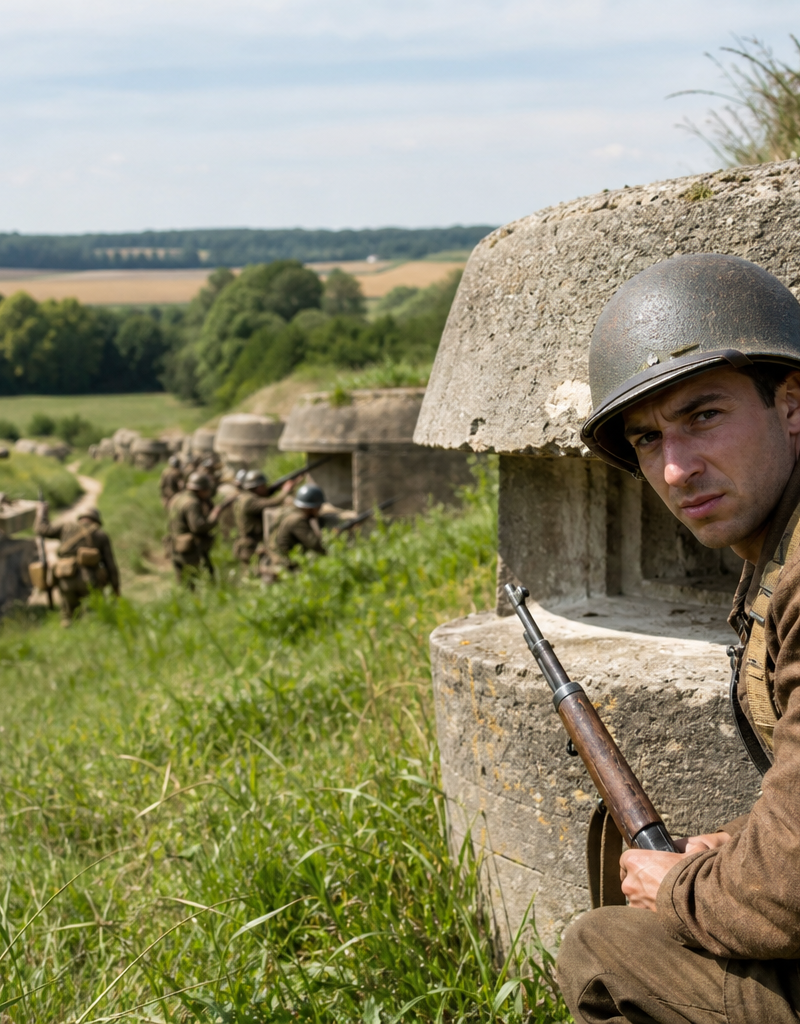
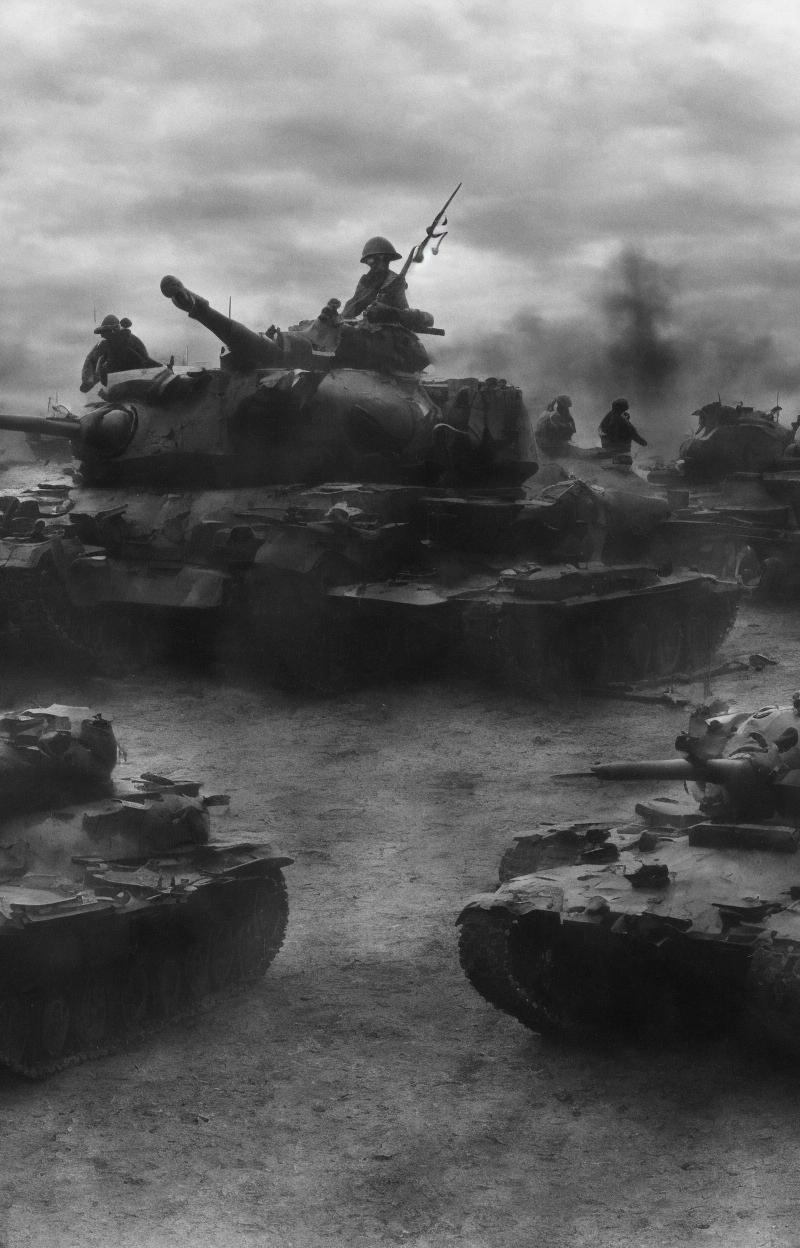
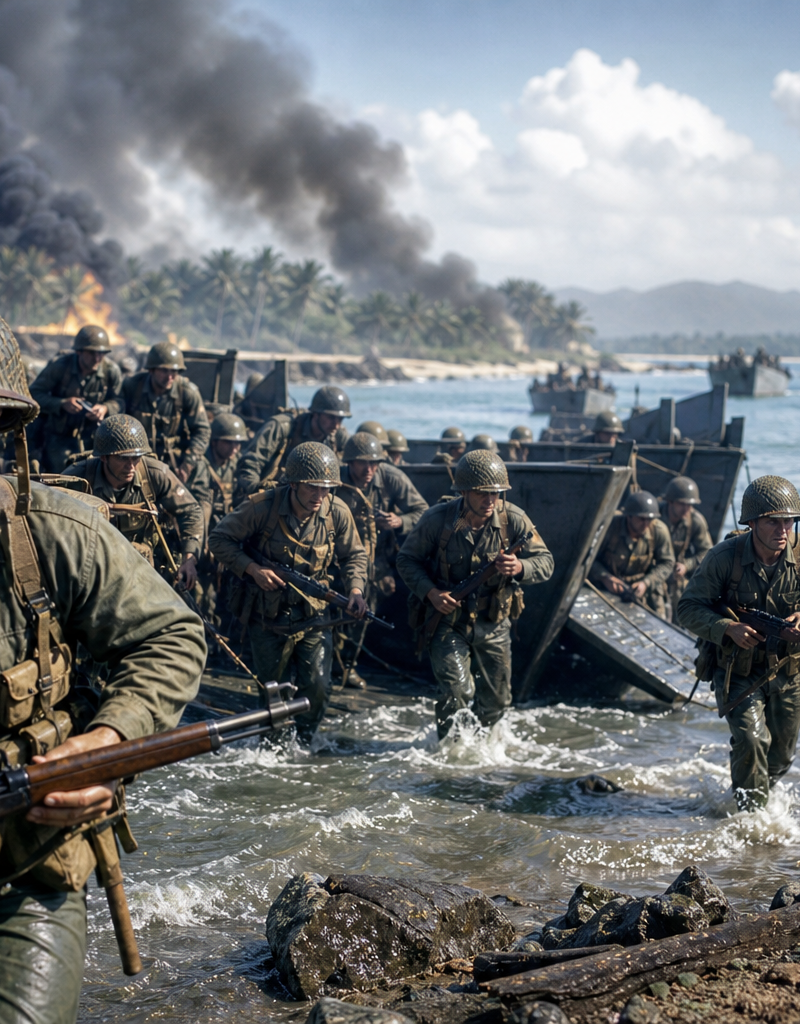
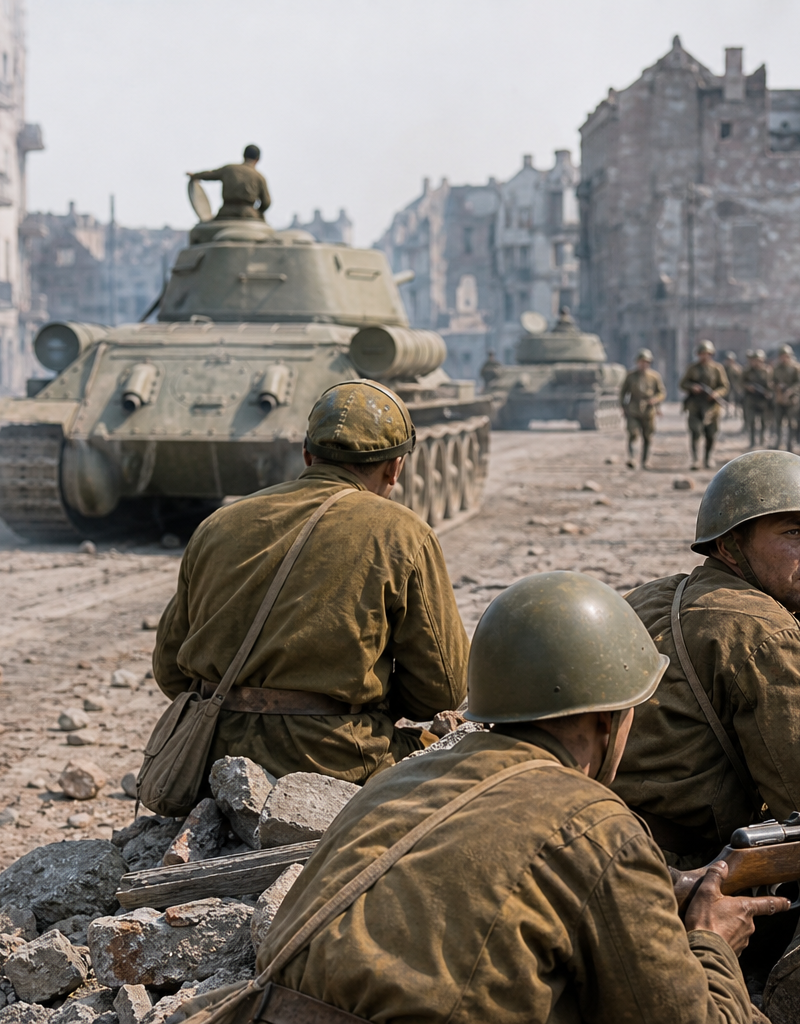
    World War II was the most devastating conflict in human history. From 1939 to 1945, it involved nations from every continent, leaving millions dead and redrawing the geopolitical map. Here you'll find stories of decisive battles, secret operations, forgotten heroes, and behind-the-scenes events that textbooks often overlook.

    14

    articles

    17

    min read

    World War II

    Deep Dive

    World War II was not just a military conflict: it was a cataclysm that redefined every aspect of human civilization. In six years, from 1939 to 1945, the world witnessed unprecedented horrors — from the Holocaust to atomic bombs — but also extraordinary acts of courage and technological innovations that forever changed the course of history.

    1Deep causes: beyond the invasion of Poland

    The roots of World War II lie in the Treaty of Versailles of 1919, which imposed humiliating conditions on Germany. The 1929 economic crisis devastated European democracies, creating fertile ground for totalitarianism. Hitler exploited German resentment to build a regime founded on extreme nationalism, pseudoscientific racism, and military expansionism.

    2Total war: the home front and the battlefield

    For the first time in history, the distinction between military front and civilian population almost completely disappeared. Strategic bombings razed entire cities. Women entered factories en masse. The US alone produced over 300,000 aircraft in five years. Military technology made enormous leaps: radar, jets, V-2 rockets, and finally the atomic weapon.

    3The Holocaust and crimes against humanity

    The systematic extermination of six million Jews, along with millions of Roma, disabled people, political prisoners, and homosexuals, represents the darkest chapter of human history. Concentration and extermination camps became industrialized death factories.

    Key Facts

    01
    1939

    Germany invades Poland: World War II begins

    02
    1941

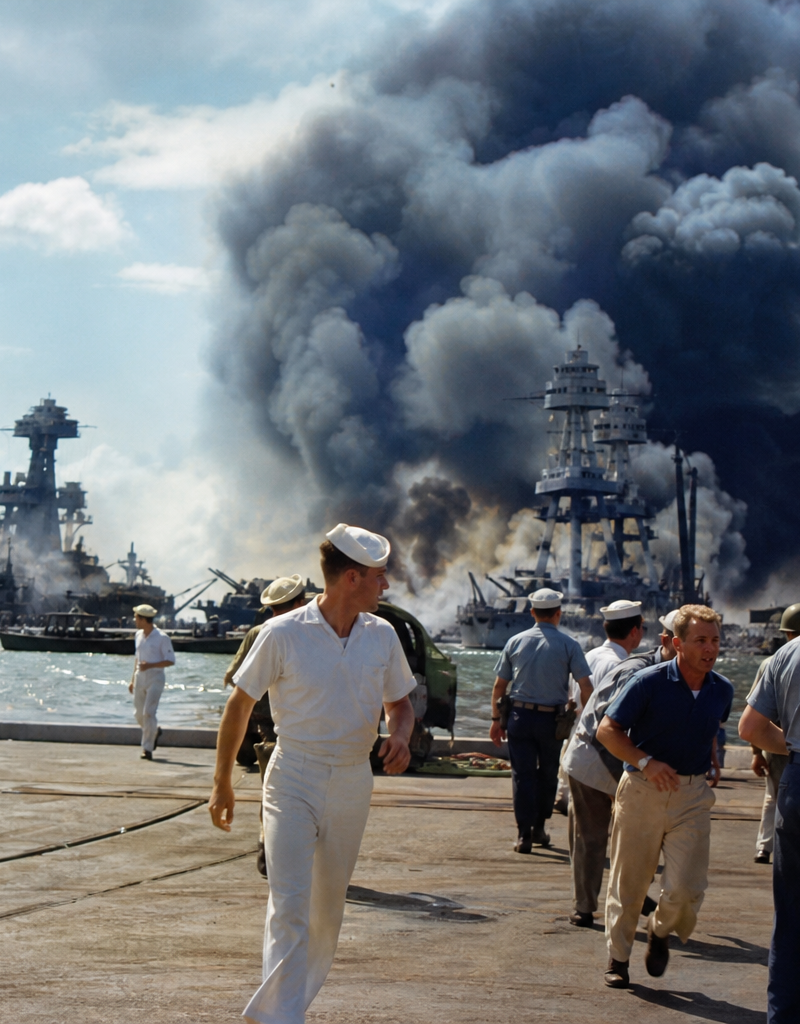
    Attack on Pearl Harbor brings the US into the war

    03
    1942

    The Battle of Stalingrad marks the turning point on the Eastern Front

    04
    1944

    D-Day landings in Normandy open a second front in Europe

    05
    1945

    Surrender of Germany and Japan: the war ends

    Did You Know?

    💡

    Britain had a plan to poison beaches with mustard gas in case of German invasion.

    💡

    Operation Mincemeat used a corpse with fake documents to deceive the Nazis about the Sicily invasion.

    💡

    Japan launched over 9,000 balloon bombs toward the US. One killed 6 people in Oregon — the only casualties from an enemy attack on continental US soil.

    Top 5 Articles

    All Articles

    Glossary

    Blitzkrieg
    Lightning war: German strategy of rapid, concentrated attack with armored forces and aviation.
    Holocaust
    Systematic genocide of 6 million European Jews perpetrated by the Nazi regime.
    D-Day
    June 6, 1944: the Allied landing in Normandy, the largest amphibious operation in history.

    Quotes

    "

    "We shall fight on the beaches, we shall fight on the landing grounds, we shall never surrender."

    Winston Churchill
    "

    "Whoever saves one life, saves the world entire."

    Talmud

    Frequently Asked Questions

    1How many people died in World War II?

    An estimated 70 to 85 million people died, making it the deadliest conflict in human history.

    2Why did the United States enter the war?

    The US entered after Japan's attack on Pearl Harbor on December 7, 1941.

    3What was the most decisive battle?

    The Battle of Stalingrad (1942-43) is considered the turning point of the war.

    Recommended Resources

    📖

    If This Is a Man

    Primo Levi (1947)

    Book

    🎬

    Band of Brothers

    HBO (2001)

    Documentary

    📖

    Eichmann in Jerusalem

    Hannah Arendt (1963)

    Book

    Stay Updated

    Subscribe to our newsletter and receive the most fascinating stories every week.