The Silent Weapons: How World War I Crafted Modern Propaganda
Intro In the shadowed alleyways of memory where uniforms hang like ghosts and telegrams whisper secrets of lost lives, World War I reveals one of its quietest but most pernicious…
World War I, the "Great War," marked the end of an era and the beginning of a new world order. From the trenches of the Western Front to naval battles, this conflict revolutionized modern warfare and transformed ancient empires into democratic nations.
14
articles
18
min read

Intro In the shadowed alleyways of memory where uniforms hang like ghosts and telegrams whisper secrets of lost lives, World War I reveals one of its quietest but most pernicious inventions: modern propaganda. It is a tale of images and innuendos, of committees that calculated sentiment as carefu...
Read articleWorld War I was the first truly global conflict, a bloodbath that swept away ancient empires and redrew the political map of the world. Called 'the war to end all wars,' it was actually the seed of conflicts that would devastate the 20th century.
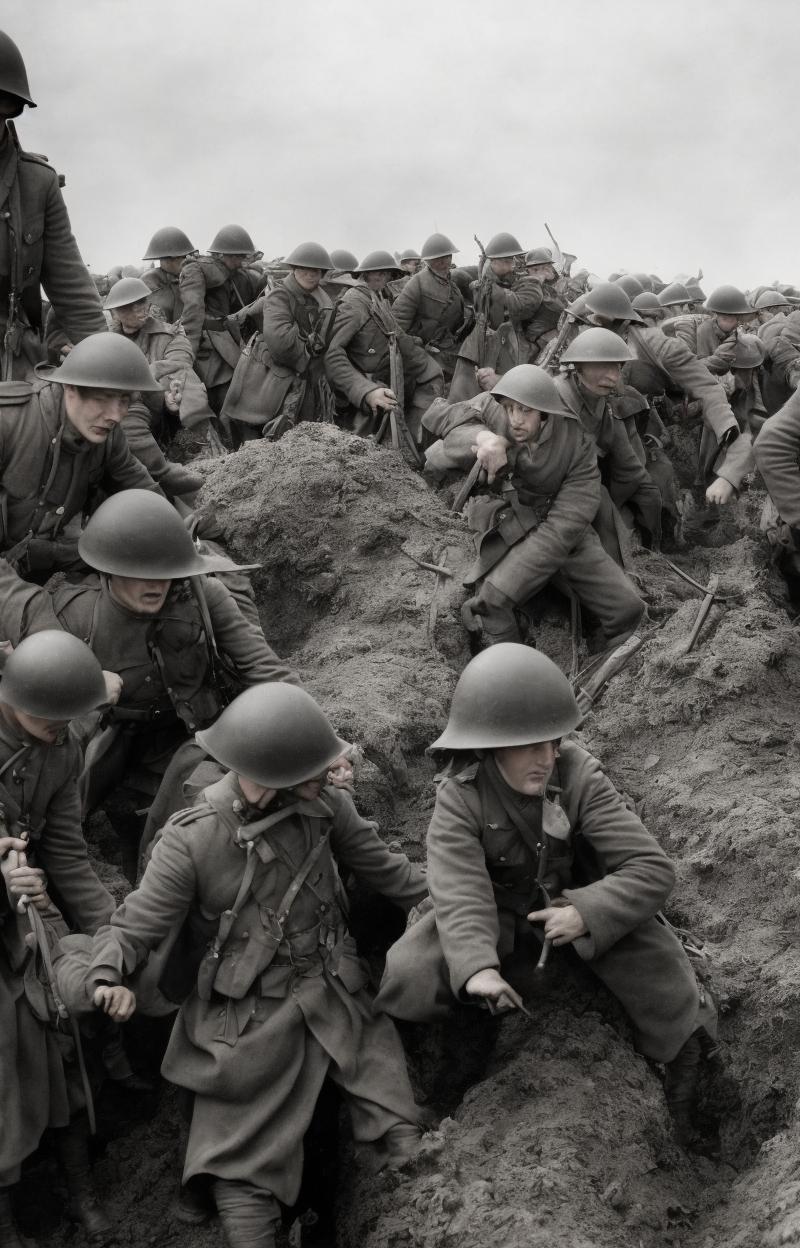
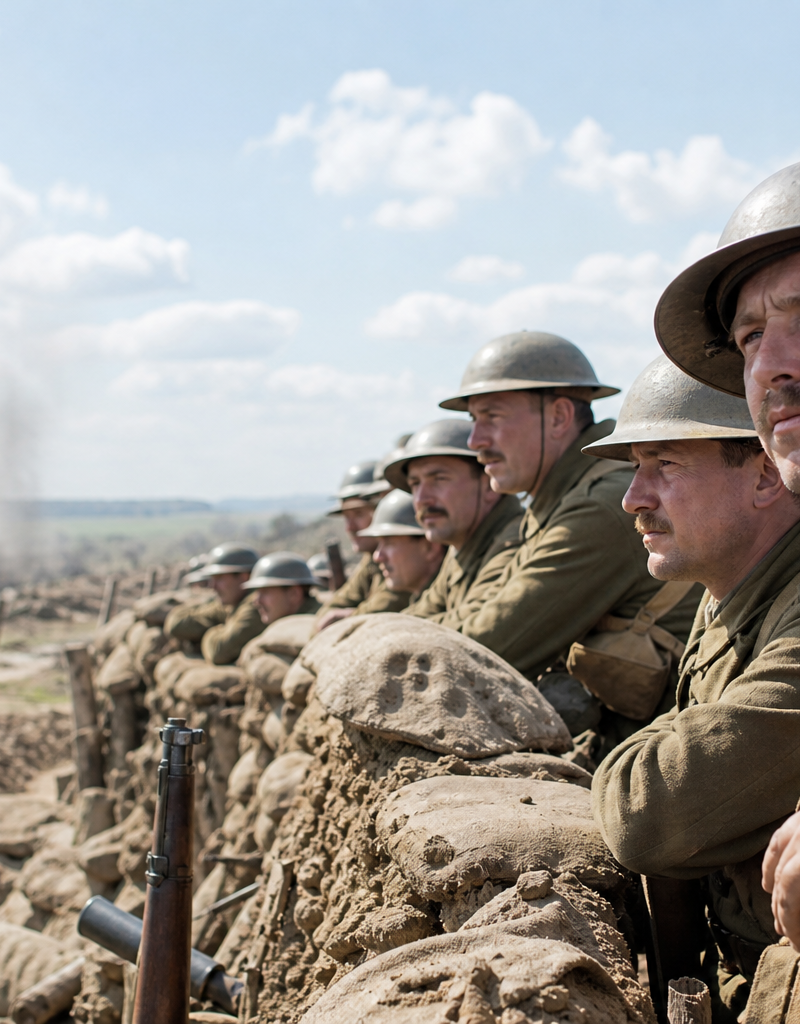
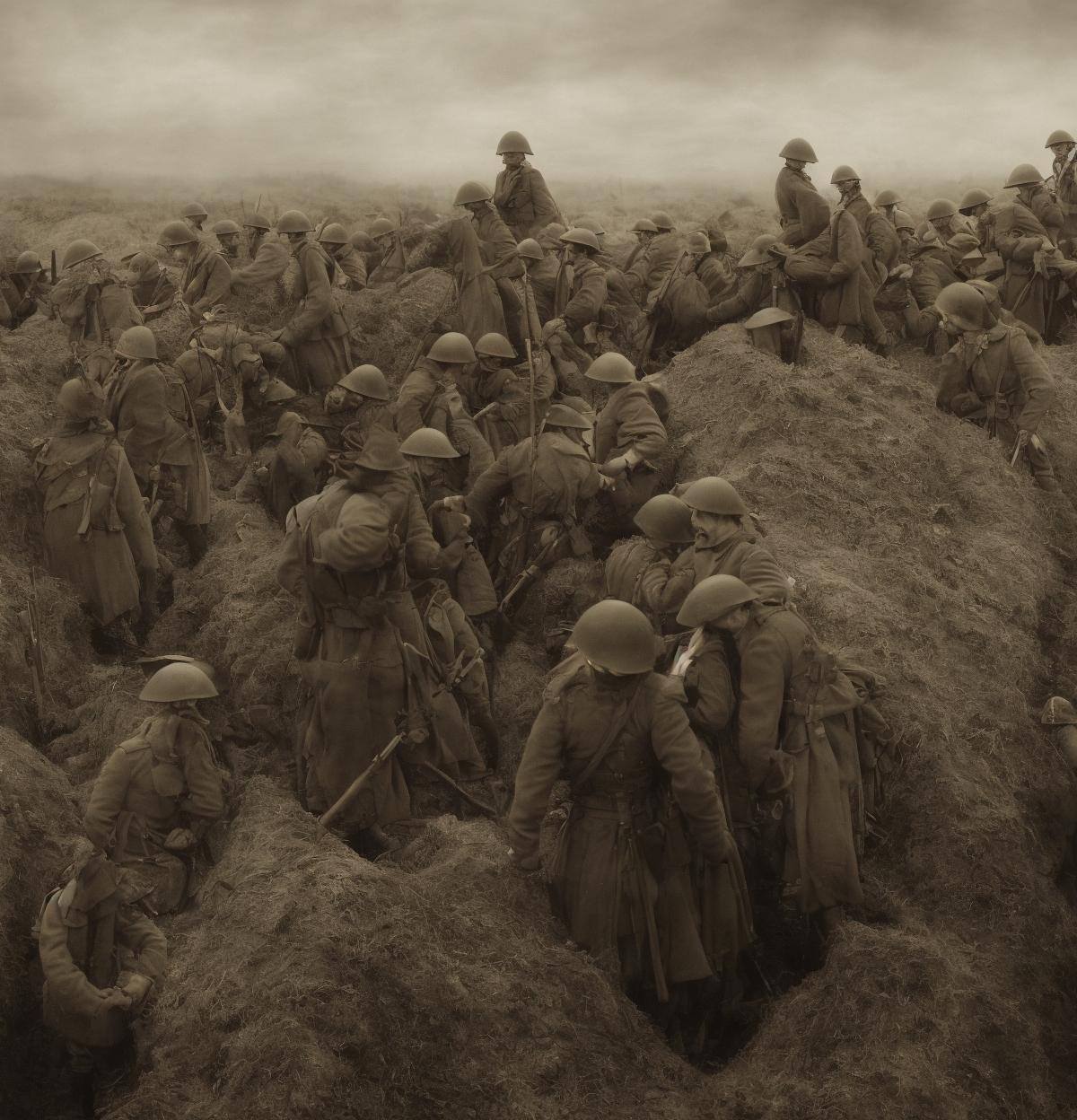
The Western Front became a labyrinth of trenches stretching from the English Channel to Switzerland. In these muddy ditches, millions of soldiers lived in inhuman conditions: rats, lice, poison gas, and the constant terror of machine guns. The Battle of Verdun lasted 303 days and caused over 700,000 casualties.
The Great War dramatically accelerated technological development. Tanks appeared for the first time at Cambrai in 1917. Military aviation evolved from fragile reconnaissance biplanes to lethal fighters. German submarines terrorized Atlantic commerce. Poison gases introduced a new dimension of horror.
The war destroyed four great empires: Ottoman, Austro-Hungarian, Russian, and German. The Russian Revolution of 1917 established the first communist state. The Treaty of Versailles redrew European borders but sowed the seeds of German revenge.
Assassination of Archduke Franz Ferdinand triggers the conflict
Italy enters the war on the side of the Entente
The Battle of Verdun becomes the symbol of trench warfare
The Russian Revolution shifts the balance of the conflict
The armistice of November 11 ends the Great War
Christmas 1914 saw a spontaneous truce: German and British soldiers played football in no man's land.
Carrier pigeons saved thousands of lives carrying messages through enemy lines. Pigeon Cher Ami received the French Croix de Guerre.
Tanks were called 'tanks' to disguise their true nature during transport to the front.

Intro In the shadowed alleyways of memory where uniforms hang like ghosts and telegrams whisper secrets of lost lives, World War I reveals one of its quietest but most pernicious…

Intro The mud seemed endless, sticky as memory. For millions of soldiers on the Western Front, the landscape of the First World War was not a battlefield in the romantic sense…

The First World War, an unprecedented cataclysm that reshaped the global landscape and claimed millions of lives, left in its wake a desperate yearning for peace. The scale of…

Above the scarred and muddy hellscape of the Western Front, a new kind of warfare was born. Here, in the vast, unforgiving skies, young men in fragile machines of wood, wire, and…

The morning that dawned over the Julian Alps in late October 1917 felt ordinary to many: fog clung to the valleys, mountain peaks hid behind smoke and thin cloud, and soldiers on…

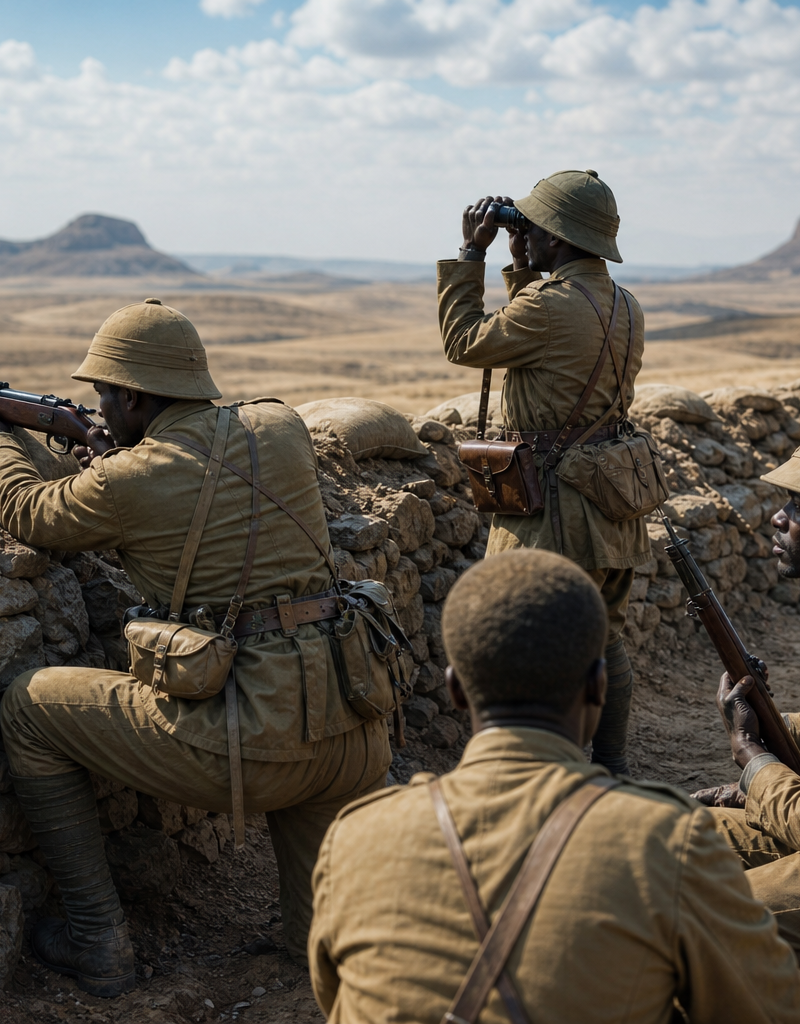
Intro The Great War is usually mapped in mud and barbed wire across the fields of northern France, yet for four years a shadow theater sprawled across a continent: Africa. From…

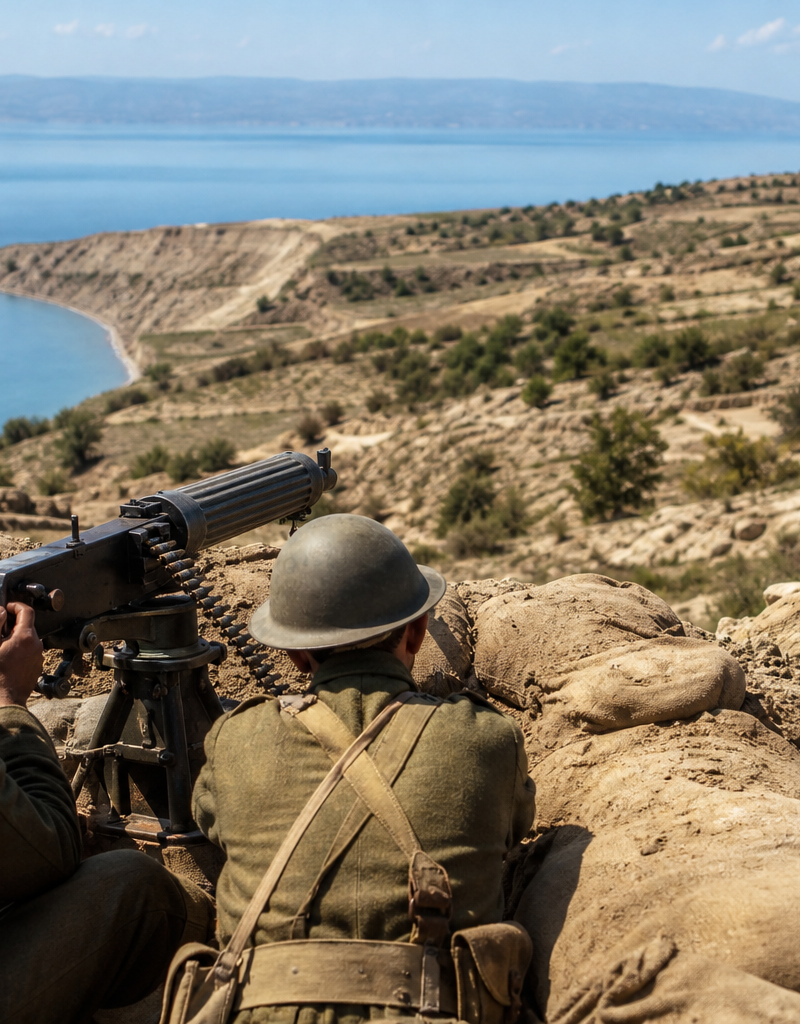
The cliffs of the Gallipoli peninsula take on a particular silence when the imagination crosses back a century. Wind combs the scrub and the grasses over the slopes that once…

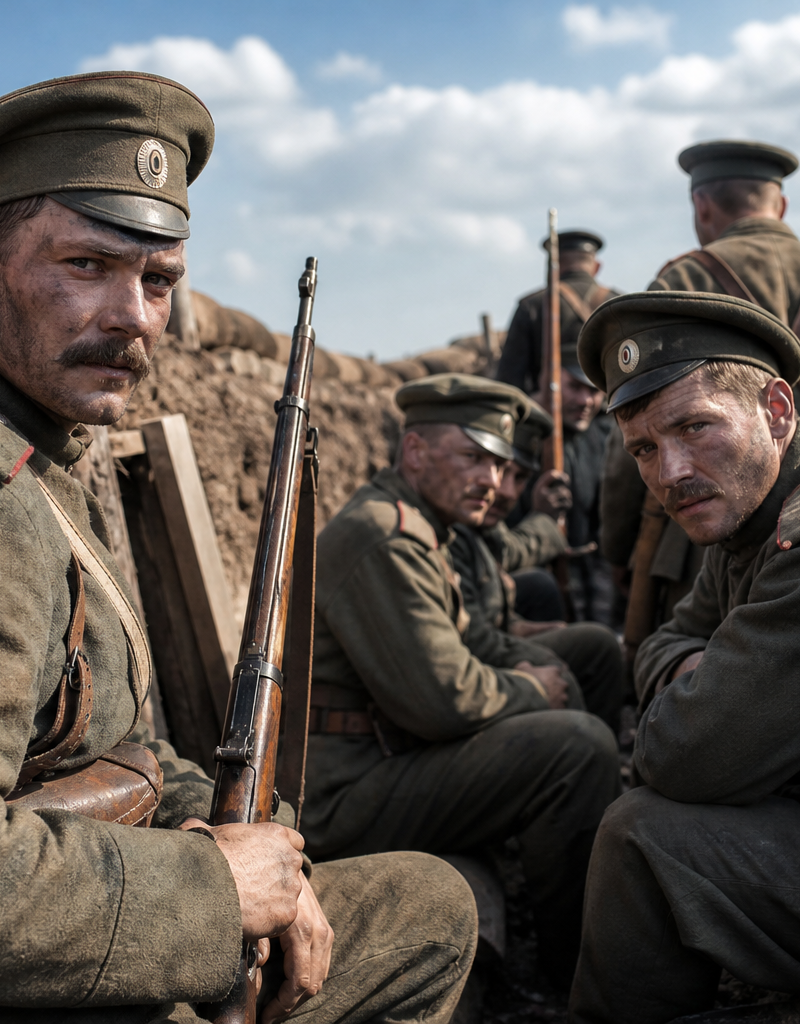
In the summer of 1914, the Russian Empire stood as a colossus, a sprawling giant of contradictions. It commanded the largest army on Earth, a seemingly inexhaustible reservoir of…

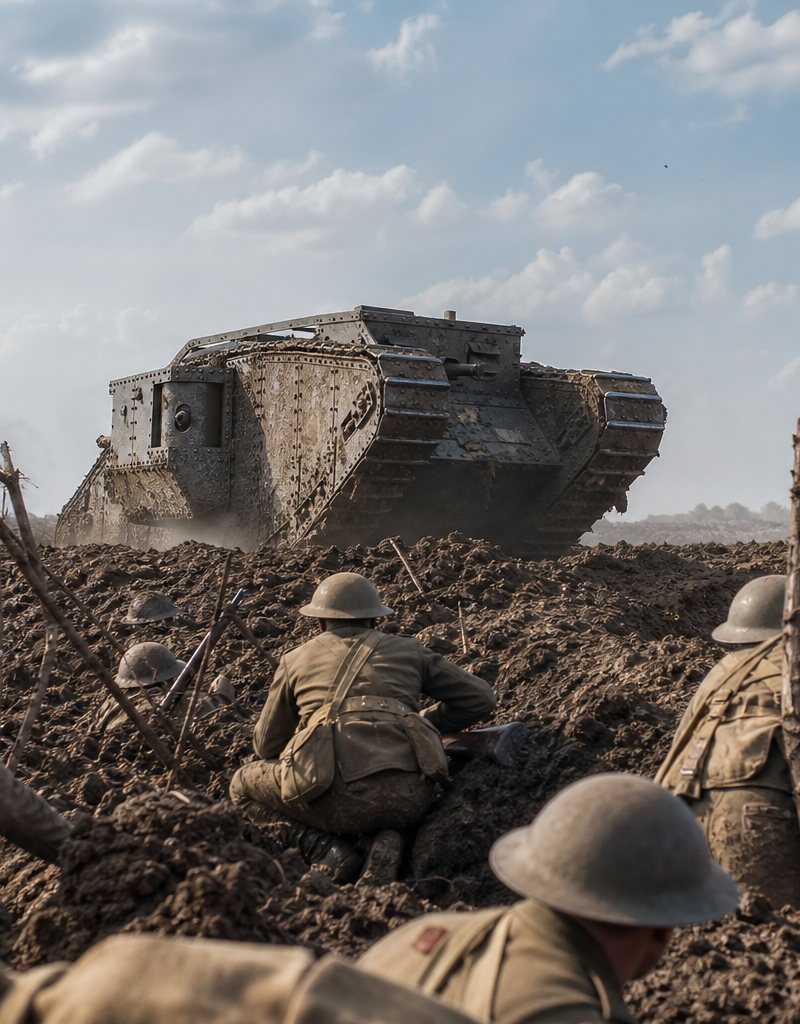
In the early autumn haze of 1916, a new sound began to thread itself through the gutted landscape of the Western Front: a grinding, clanking, and almost animal sigh that did not…
""The lamps are going out all over Europe; we shall not see them lit again in our lifetime."
The assassination of Archduke Franz Ferdinand in 1914 was the spark, but deeper causes included nationalism, alliances, and imperial competition.
An estimated 10 million soldiers lost their lives, with another 20 million wounded.
Erich M. Remarque (1929)
Book
Peter Jackson (2018)
Documentary
Subscribe to our newsletter and receive the most fascinating stories every week.