Gallipoli 1915: The Dardanelles’ Dark Surge
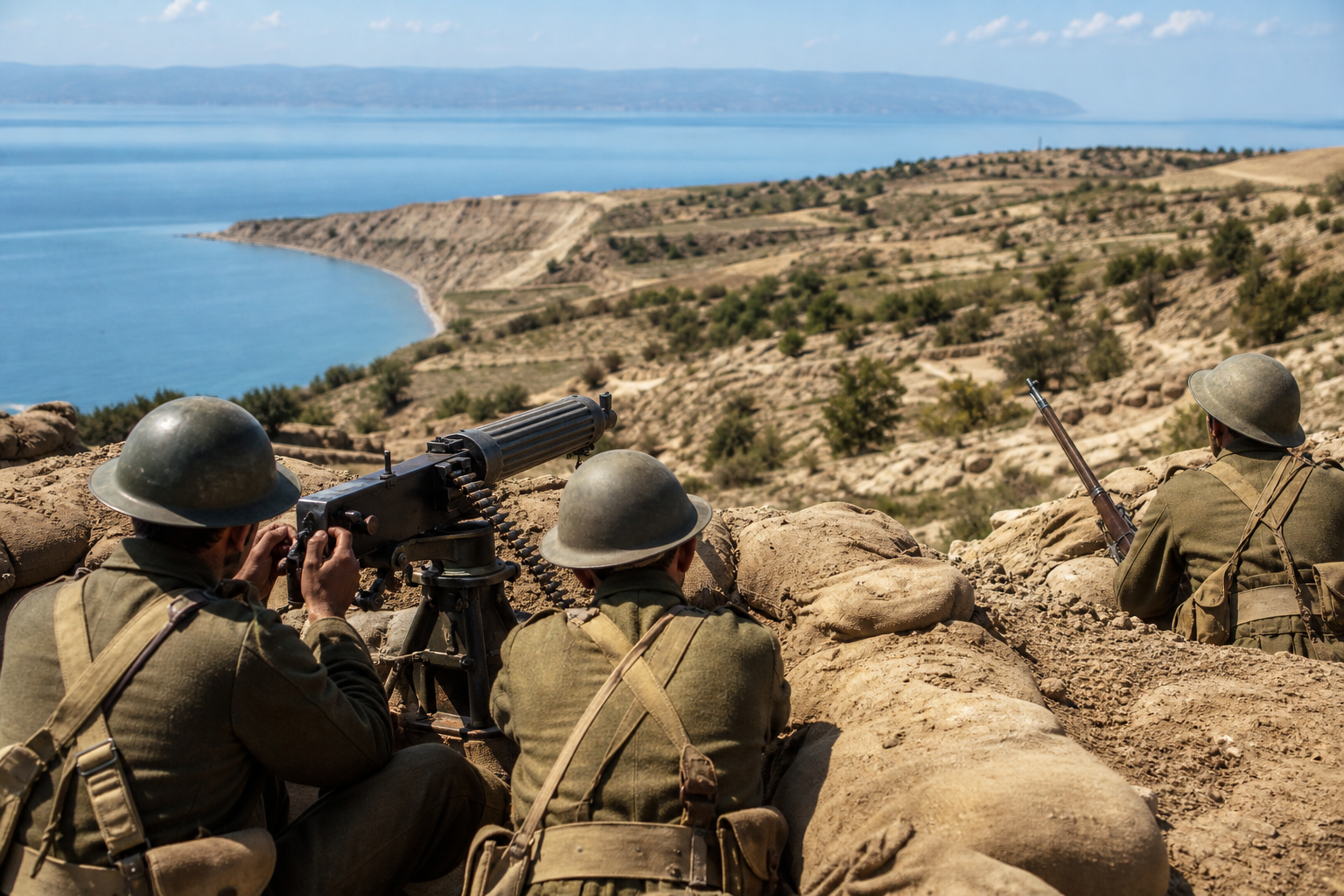
The cliffs of the Gallipoli peninsula take on a particular silence when the imagination crosses back a century. Wind combs the scrub and the grasses over the slopes that once echoed with shouted orders, the thunder of guns, and the metallic, anxious clatter of men trying to find a foothold on hostile ground. To stand there now is to feel history pressing in from every direction: memorials like quiet sentinels, graves numbered and private alike, and the faint suggestion of trenches carved into the earth that, in 1915, were the stage for an episode of the First World War that combined strategic calculation, miscalculation, extraordinary individual resolve, and a catalogue of human suffering. The Gallipoli Campaign — the Dardanelles epic of 1915 — is often remembered as both tragic and formative, not only for the soldiers from across the British Empire and the Ottoman defenders but also for the political reverberations it produced across London, Istanbul, and the dominions.
From the outset the campaign wore the peculiar garments of ambition and improvisation. It emerged from the wider logic of the First World War: the Western Front had settled into attritional stalemate; new avenues for decisive maneuver were desperately sought by the Allied leadership. The Dardanelles promised a route to knock the Ottoman Empire out of the war, open a supply line to Russia, and maybe even bring about a rapid strategic advantage. Naval commanders believed the iron teeth of modern fleets might force the straits; politicians hoped bold action might alleviate the grinding pressures at home. Yet as plans moved from maps to sea lanes to sand, other realities intruded — geography that favored defenders, coastal artillery that could not be neutralized by battleship salvos, and logistical problems that would dog the campaign from its first wrong-step. The landing at Suvla Bay and the ANZAC landings at what became ANZAC Cove were not simply tactical episodes; they were the materialization of an operation where strategic aspiration met the brutal arithmetic of machine age warfare.
There is also a moral and commemorative gravity to the story of Gallipoli. The campaign carved a deep place in the national narratives of Australia and New Zealand, where the mythology of ANZAC — the Australian and New Zealand Army Corps — was forged in mud and blood and has remained central to national remembrance. For Turkey, the successful Ottoman defense, and figures such as Mustafa Kemal (later Atatürk), became foundational to the narrative of survival and eventual transformation. The human stories threaded through the campaign are many: courage, confusion, leadership that sometimes shone and sometimes failed, and the quiet heroism of ordinary soldiers confronting a brutal reality. As you read, imagine the narrow beaches where troops disembarked, the scrubby ridgelines they sought to capture, and the interplay of naval might, infantry maneuver, and the stubborn, often improvisational logistics that defined so much of the campaign’s life.
Did you know? The original Allied plan prioritized a naval-only approach; the shift to landings followed the disastrous naval losses to mines in March 1915.
Strategic Background and Aims
When the decision to attack the Dardanelles was taken, it was the product of a diplomatic and military calculus that spanned continents. In late 1914 and early 1915, the war for Europe had hardened into a static, attritional conflict. The Western Front churned with offensives whose returns were measured in yards at horrific cost. Britain, France, and their allies searched for alternatives that could unbalance the Central Powers. The Ottoman Empire’s entry into the war on the side of Germany and Austria-Hungary opened new strategic possibilities — and new diplomatic pressures. Russia’s desperate need for supply routes and the Allies’ desire to relieve pressure on other fronts led planners to focus on the Ottoman capital’s maritime approaches. The Dardanelles Strait, a narrow waterway connecting the Aegean Sea to the Sea of Marmara and thence to Constantinople, appeared as the clearest such point of leverage.
Strategic thinking in London and Paris hoped that a rapid naval breakthrough might compel the Ottomans to capitulate or at least neutralize the fleet and coastal batteries that threatened Allied shipping. Winston Churchill, then First Lord of the Admiralty, was among the prominent proponents of the plan; he envisaged a demonstration of naval power that would have psychological and material effects beyond the immediate theater. The allure was strong: a campaign that might bypass trench warfare, restore a dynamic operational tempo, and secure maritime lines to Russia through the Black Sea. The British and French planners imagined that battleships, supported by minesweepers and destroyers, could force the Dardanelles by neutralizing fortifications and opening the Sea of Marmara. If naval success proved incomplete or pinned down by shore batteries and mines, the logical next step — the one that transformed the naval-only concept into an amphibious campaign — was to deploy troops to seize key positions that could silence the guns and clear the strait.
However, strategic aspiration collided with practical limits. The Dardanelles’ geography advantaged the defender: narrow channels, strong currents, and a shoreline that allowed artillery to command the approaches. Ottoman fortifications, while not modern by some measures, were sited intelligently and could be improved with relatively little time and resources. Intelligence about minefields and the disposition of Ottoman forces was fragmentary and often optimistic. War councils underestimated the operational complexity of combining large-scale naval bombardment with coordinated amphibious landings under fire. Moreover, inter-allied tensions — differing doctrines between naval and army commanders, strained British-French cooperation, and the challenges of coordinating dominion troops — complicated execution. The strategic aim of forcing the straits remained clear on paper, but operational execution would prove far more difficult and would reveal the limits of naval supremacy in the face of prepared coastal defense.
Did you know? On 18 March 1915, the Allied fleet suffered severe losses to mines in a single day, prompting the decision to attempt landings.
The Dardanelles Naval Campaign
The naval phase of the Gallipoli undertaking was dramatic and consequential. Early in 1915, a concerted Allied naval force of battleships and cruisers entered the Aegean with the intention of striking at the Ottoman fortifications lining the Dardanelles. On 18 March 1915 a major effort to force the strait culminated in a direct naval assault: dreadnoughts, pre-dreadnoughts and supporting destroyers pounded the coastal batteries in an attempt to silence them and sweep mines. What unfolded was a violent demonstration of how a modern, armored fleet could be vulnerable to a combination of mines and shore-based artillery. The Ottomans, aided by German naval expertise and engineers, had laid extensive minefields in the strait. Several Allied ships were lost to mines on that fateful day, most notably the French battleship Bouvet and British pre-dreadnoughts that succumbed to unexploded ordnance and secondary hits. The losses forced a reappraisal of the naval-only plan.
Naval commanders then proposed to clear mines more thoroughly and to coordinate with landing parties to neutralize the shore batteries that kept the strait under fire. Minesweepers, often exposed and lightly protected, were critical to any continuing effort; their slow, perilous work under the guns of the shore put them at constant risk. The campaign revealed the limitations of battleship-centered strategies when confronted with asymmetric coastal defenses. It also accentuated the interplay of technology and improvisation — from the design and deployment of specialized minesweeping equipment to the ad-hoc mounting of guns ashore. A telling feature of the naval operations was how the sea could be both an instrument of dominance and a trap: control of the open waters did not automatically translate to safe passage when hidden defenses and shore-based guns made the coastline lethal.
Might and machinery alone could not resolve the problem. The naval setbacks propelled political and military leaders toward a combined operation: amphibious landings meant to take the forts and silence the batteries so that ships could resume their passage to the Sea of Marmara. This decision inaugurated the land campaign that would overshadow the naval engagements in historical memory. The transition from pure naval action to joint amphibious warfare introduced logistical complexities that commanders had limited time and experience to address. Transporting men, equipment, and supplies across the Aegean to a hostile shore, coordinating sea and land fire, and establishing secure beachheads under fire were tasks for which the Allies had prepared only in theory. The Dardanelles thus became a testing ground for amphibious doctrine, and the lessons learned — often steeped in bitter experience — would inform future operations.
Did you know? The ANZAC landing at what became ANZAC Cove occurred before dawn on April 25, 1915, and the name "ANZAC" would become a touchstone of national memory for Australia and New Zealand.

The Landings and the ANZAC Experience
The landings on 25 April 1915 remain among the most seared images in the Gallipoli story. British, French, Australian, New Zealand, and later Indian units came ashore on a peninsula that presented a puzzle of narrow coves, ridgelines, and commanding heights. The ANZAC force, composed primarily of Australian and New Zealand troops, was directed to land on the western side of the peninsula and move inland to seize high ground that would secure the flank for further operations. What the maps did not adequately convey was how unforgiving the terrain would be: steep gullies, scrubby ridges, and hidden obstacles made movement difficult and disoriented units from the outset.
The ANZAC landings were marked by confusion, heroism, and missed opportunities. Men who expected to meet moderate resistance instead found themselves in chaotic close-quarters fighting as Ottoman defenders fought tenaciously from prepared positions. In several sectors, small-unit leadership and individual initiative compensated for larger command shortcomings. The image of troops climbing precipitous cliffs under fire to reach ridgelines is emblematic of Gallipoli’s nature: landscape itself became an adversary. Meanwhile, the British landings at Cape Helles encountered similar difficulties; at some points the Allies established beachheads, but gaining the decisive heights that might have turned the campaign proved elusive. Orders, intelligence, and communications were strained — units became separated, and reinforcements often arrived without clear orientation as to where they might make the most impact.
ANZAC troops developed a particular reputation from these landings and the subsequent trench fighting. The term ANZAC itself came to symbolize a blend of tenacity, comradeship, and a certain rough pragmatism. Yet the romanticizing of ANZAC should not obscure the hardship: inadequate water supply, exposure, disease, and a scarcity of proper trenches compounded the physical dangers of enemy fire. Soldiers endured long periods exposed to the sun and then to storms; the struggle to dig and fortify positions in rocky ground was immense. Leadership mattered — and sometimes the absence of decisive, coordinated direction intensified the suffering. The initial hopes for a breakout and rapid advance faded into a protracted slog as both sides dug in and the best they could often be counted in yards gained or consolidated defensive positions.
Did you know? Mustafa Kemal’s actions on April 25 included ordering troops "not to stop and not to surrender" at critical moments — a phrase retrospectively linked to his leadership fame.

Ottoman Defense and Commanders
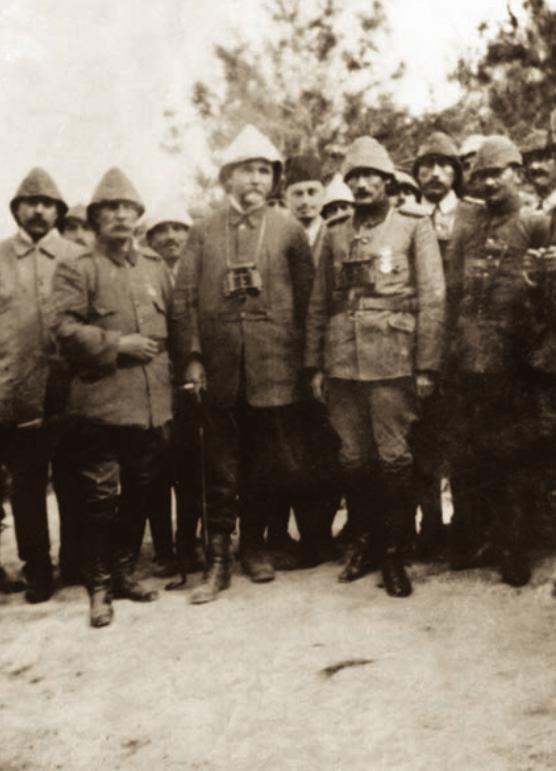
The Ottoman defense of Gallipoli combined stubborn resolve, effective local leadership, and a capacity to improvise under the pressure of a modern war. The Ottoman 5th Army, commanded by German-trained officers and supported by seasoned NCOs and troops, had been prepared to contest the Dardanelles. Notably, a young commander named Mustafa Kemal played an outsized role in organizing the defensive response during the landings. His decision-making on the first day — moving reserves, ordering counterattacks to hold critical ridgelines, and rallying troops under extreme pressure — has been singled out by historians as decisive in preventing Allied forces from seizing key objectives. Mustafa Kemal’s prominence in Gallipoli would later feed into the narrative of Turkish national resurgence and his own political rise.
Ottoman forces were not invincible; they suffered from supply problems, medical shortages, and the strains of defending a long and complex front. Nevertheless, they skillfully exploited the advantages offered by the terrain. Observation posts and inland positions enabled them to direct artillery with accuracy, and they made efficient use of limited resources to reinforce threatened sectors. Small-unit tactics, counterattacks at crucial moments, and the effective use of local knowledge helped blunt Allied thrusts. German officers and technicians provided helpful advice and assistance, particularly in artillery deployment and fortification work, but much of the tactical success was Ottoman in execution and spirit.
The narrative of Gallipoli in Turkish memory is complex: it represents a successful defense against a major Allied effort and the emergence of leaders who would later shape the Republic of Turkey. Operationally, the Ottoman command learned to be adaptive: rotating units, using terrain to conceal movements, and establishing medical and logistical chains under fire. The psychological element — defending the homeland — also infused the Ottoman men with a potent motivation. This combination of factors meant that, despite casualties and material challenges, the defenders were able to hold their lines and inflict a campaign of attrition that ultimately contributed to the Allied decision to evacuate.
Did you know? Disease claimed as many, or in some cases more, casualties than direct combat at Gallipoli; dysentery and enteric fever were especially deadly.
Life in the Trenches, Disease, and Logistics
Gallipoli was not merely a battlefield of bullets and shells; it was a theater of living conditions that could be as lethal as enemy action. Once the front settled into trench lines, both sides faced the everyday trials that defined First World War life: lice, dysentery, limited clean water, and the ever-present threat of heatstroke or exposure. The Gallipoli peninsula presented particular hardships. The rocky soil made trench-digging slow and imperfect; makeshift shelters offered limited protection from the elements; and the supply lines across the Aegean were vulnerable to weather and enemy action. Fresh water was a chronic problem in many sectors, and the scarcity of proper latrines and hygiene infrastructure exacerbated disease.
Medical services were strained. Casualty evacuation from forward positions to ships or field hospitals involved difficult carriage over narrow tracks under the eyes of the enemy. Wounds that might have been survivable under better sanitary conditions could become lethal due to infection. The arrival of heat in summer months added another layer of suffering: soldiers endured blistering sun, then sudden storms that turned tracks into mud. Rations often lacked variety and sufficient nutrition, and the psychological toll of constant danger, interrupted sleep, and the sight of comrades falling weighed heavily.
Logistics were a persistent Achilles’ heel for the Allies at Gallipoli. The sheer challenge of supplying tens of thousands of men on a contested coastline required coordination of naval and land assets, barges and lighter craft to ferry stores, and careful timing to avoid exposing supply lines to enemy fire. Equipment shortfalls — from proper entrenching tools to adequate medical supplies — meant improvisation was constant. Innovations emerged, too: improved water desalination efforts, better organization of supply dumps, and the use of trench mortars and improvised defensive works. Yet these were often stopgap remedies. Morale waxed and waned in response to conditions and leadership: rotation of units out of the line for rest was often limited, and replacements were not always sufficient to make good the human cost of months of attritional warfare.
Did you know? The evacuation of Allied troops from Gallipoli in December 1915–January 1916 was executed with minimal loss and is considered one of the most successful withdrawals under fire in military history.

Aftermath, Evacuation, and Legacy
By late 1915, the cumulative weight of casualties, operational stalemate, and shifting political priorities convinced Allied leaders that the Gallipoli venture had failed to achieve its strategic aims. Evacuation plans were drawn up with a new mixture of care and secrecy. In contrast to the chaotic landings months earlier, the withdrawal was remarkably disciplined. Between December 1915 and January 1916, Allied forces executed a carefully staged evacuation involving elaborate deception plans — fake fireplaces, timed noise, and silent removal of men — that left the Turks unaware of the scale of the withdrawal until the last moments. The evacuation stands out in military history for its efficiency and for avoiding a large-scale retribution by Ottoman forces.
The human toll of Gallipoli was severe: estimates vary, but tens of thousands of Allied and Ottoman soldiers were killed or wounded. The campaign’s political consequences were significant as well. In Britain, the failure contributed to criticism of the government and to the fall of that administration; Winston Churchill’s political career suffered for a time due to his association with the campaign. For the dominions, Gallipoli became a crucible of national identity. ANZAC Day, commemorated on April 25, emerged as an annual ritual of remembrance that fused mourning with national pride. In Turkey, the defense of the peninsula fed into the narrative of resistance that would become a cornerstone of the early Republican ethos led by Mustafa Kemal.
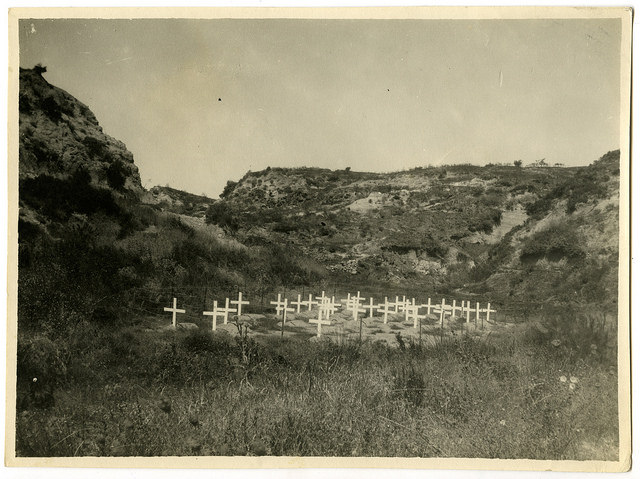
Memory and memorialization have shaped Gallipoli’s continuing resonance. Cemeteries and monuments, both Ottoman and Allied, scatter the peninsula. These sites are places of pilgrimage: veterans and descendants have traveled for a century to pay respects, and annual commemorations draw crowds from Australia, New Zealand, Britain, Turkey, and beyond. The campaign’s lessons — on combined operations, intelligence limits, and the human cost of politically motivated military action — endure in military history and public discourse. Gallipoli remains a study in how geography, leadership, logistics, and unexpected resiliencies can intersect to produce an outcome that is at once a tactical stalemate and a profound cultural milestone.
Did you know? ANZAC Day, inspired by the Gallipoli landings, remains one of Australia and New Zealand’s most solemn national days of remembrance.
Conclusion: Echoes of Gallipoli
A century has not dimmed Gallipoli’s capacity to provoke reflection. The campaign occupies a liminal space between strategic ambition and human cost, where national narratives were forged and political careers altered. Its study matters for more than memorialization; it offers concrete lessons about the interplay between sea power and land operations, the perils of underestimating an opponent, and the logistical realities that underlie military success or failure. The peninsula itself — scrubby, wind-battered, and still scarred by trenches — asks modern visitors to reckon with the past. Who holds the memory and how it is taught matters because Gallipoli’s story is not merely a collection of tactical notes but a human tapestry woven from decisions taken in ministries and on ships, from the courage of battalion officers and privates, and from the stubborn will of defenders who fought to protect what they saw as home.
To read Gallipoli as a cautionary tale is to recognize both hubris and heroism. The hubris sits in the belief that technology and boldness alone could substitute for careful intelligence and adapted tactics. The heroism sits in the individuals who endured impossible conditions and in the communities that have carried their memory forward. As cultural memory continues to evolve — and as new generations visit the slopes and the beaches — Gallipoli’s lessons remain urgent: that war reshapes nations and identities, that silence on a ridge can contain generations of stories, and that the apparent randomness of fate is often braided with moments of decisive human action. The cliff-edge silence is punctured, now and then, by the drums of commemoration, a reminder that the peninsula’s past is always present.


How we verify this article
By the History Unlocked editorial team
This text is built on historical facts stored in our database and drafted with AI assistance. No signed human review is recorded for this article. Report any inaccuracy: we correct it and update the modified date.
Updated on
AI-assisted drafting.
Read our editorial standardsEnjoyed this? Discover more articles in the category World War I