


Prehistory
Hunter-Gatherers: The First Human Story
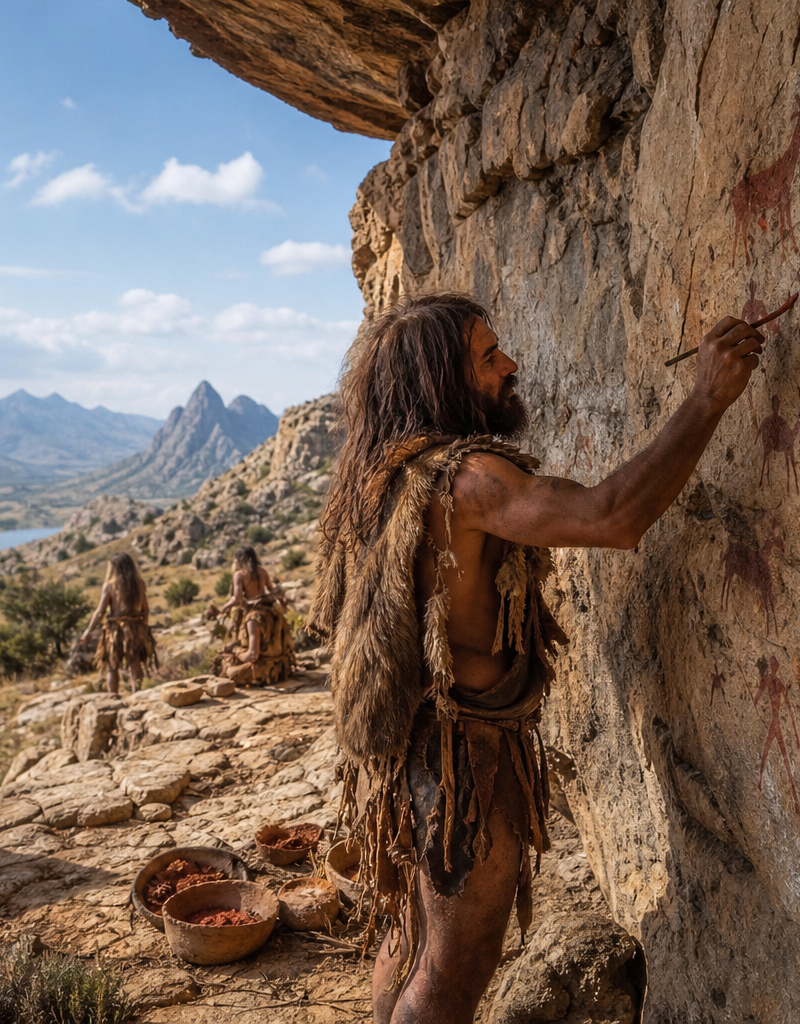
Intro In the dim corridors of time, before the rise of empires and the clatter of bronze, there existed a human world defined by pursuit, presence, and pause. Hunter-gatherers —…
16 min
Prehistory is the longest and most mysterious chapter of human history. Millions of years before writing, our ancestors developed tools, art, and complex cultures that still amaze us today.
11
articles
17
min read
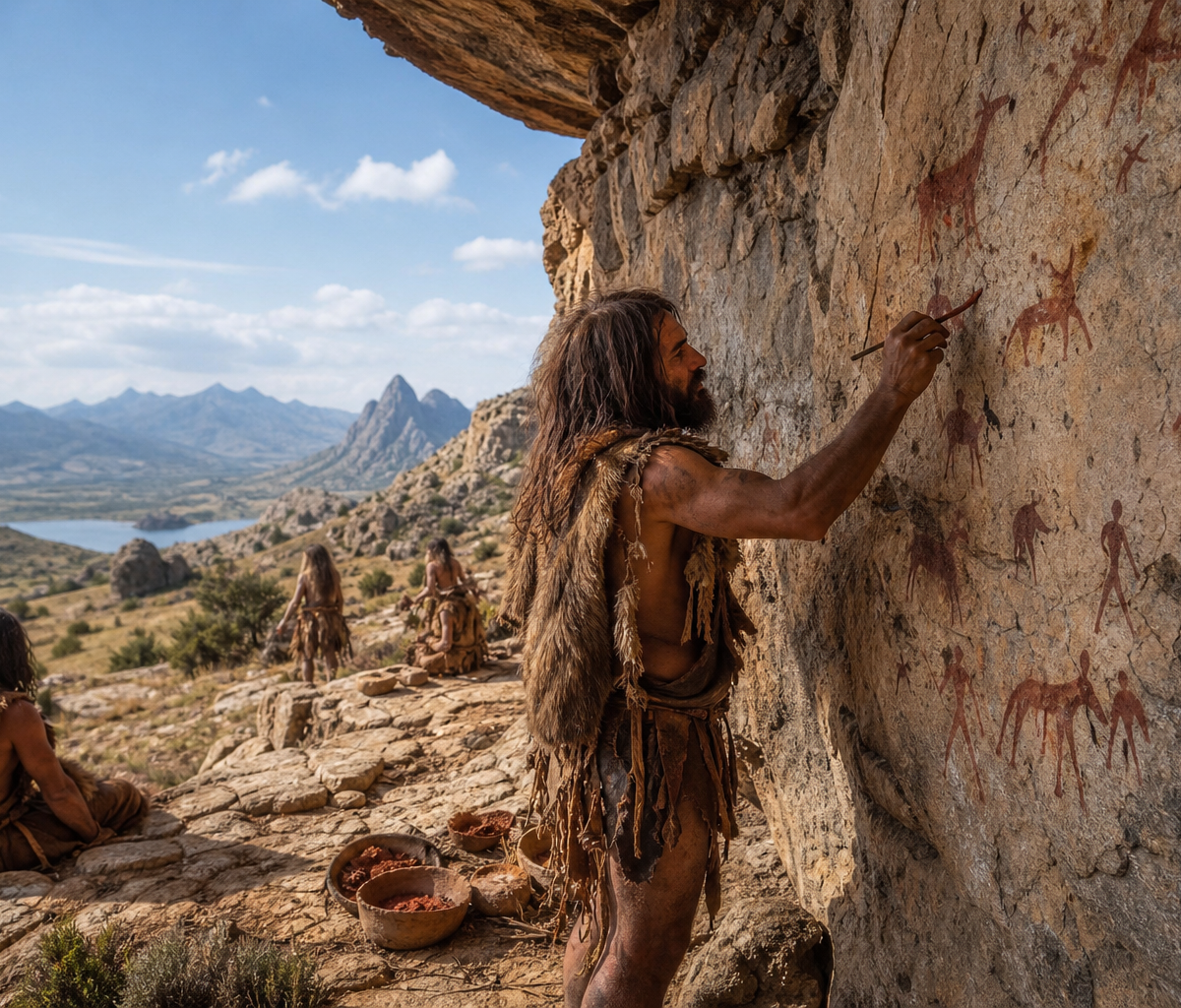
Intro In the dim corridors of time, before the rise of empires and the clatter of bronze, there existed a human world defined by pursuit, presence, and pause. Hunter-gatherers — the mobile foragers who crafted the earliest tools, painted the first murals inside dark caves, and negotiated life dir...
Read articlePrehistory covers 99% of human history, yet it's the period we know least. Before the invention of writing, our ancestors traveled an extraordinary path: from Homo habilis chipping the first pebbles in East Africa to Homo sapiens painting masterpieces in the caves of Lascaux.
The human family tree is far more complex than once thought. It wasn't a straight line from Australopithecus to Homo sapiens, but a bush with dozens of coexisting species. Neanderthals had brains larger than ours, buried their dead with flowers, and created cave art. Modern DNA reveals we interbred with them: about 2% of European genomes is of Neanderthal origin.
About 10,000 years ago, in the 'Fertile Crescent' between Tigris and Euphrates, humanity took the most revolutionary step in its history: the invention of agriculture. This change transformed nomadic hunter-gatherers into sedentary farmers, generating villages, then cities, then civilizations.
Oldest known stone tools (Lomekwi, Kenya)
Appearance of Homo sapiens in Africa
Cave art flourishes in Europe and Asia
The agricultural revolution transforms human societies
Neanderthals created jewelry from eagle talons and seashells at least 130,000 years ago.
75% of handprints in prehistoric caves are female, suggesting women were the primary artists.
The human brain has shrunk 10% over the last 10,000 years. Researchers still debate why.
Intro In the dim corridors of time, before the rise of empires and the clatter of bronze, there existed a human world defined by pursuit, presence, and pause. Hunter-gatherers —…
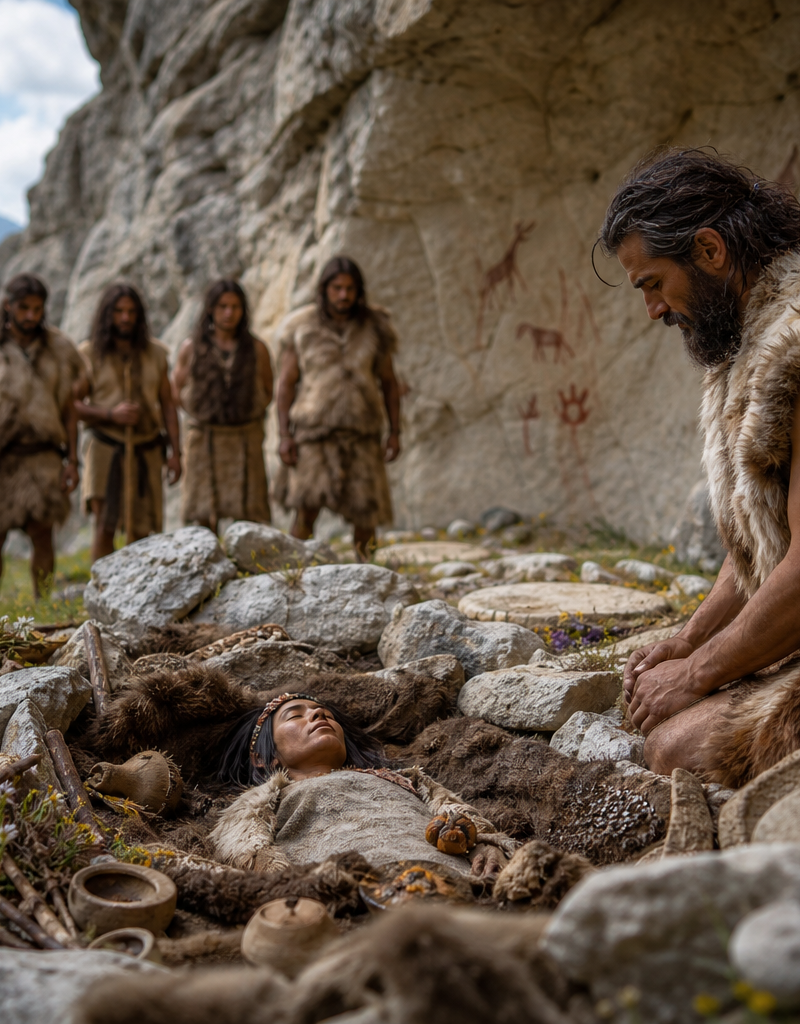
Death is the great universal—a silent, final shore that every human society, in every epoch, has had to face. Long before the grand pyramids of Egypt, the hushed catacombs of…
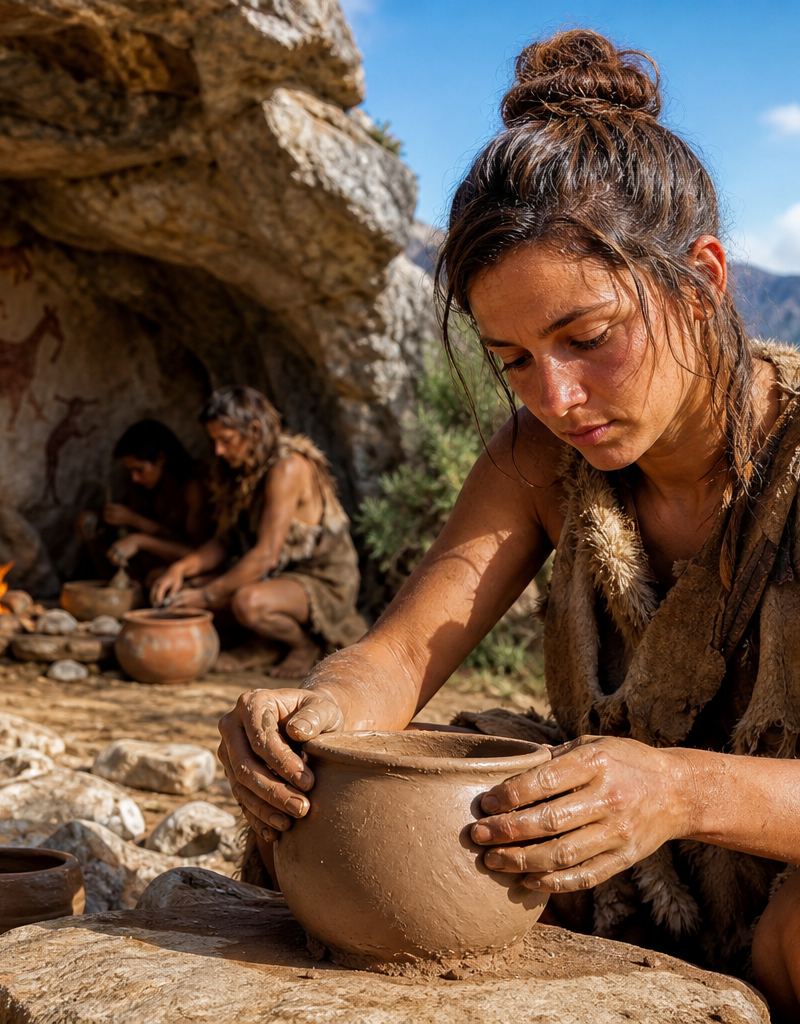
The first pots emerged not as mere containers but as sealed chambers of human intent: to store, to transform, to commemorate. In the long hush of prehistory, clay became a…
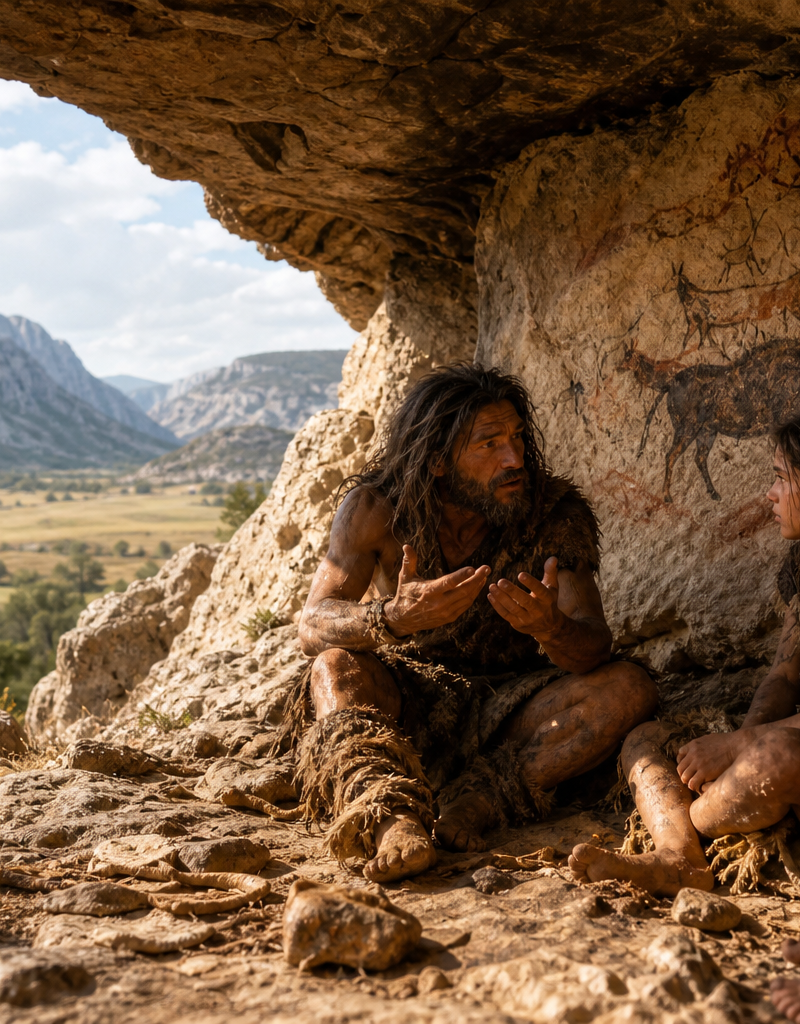
It is the single most powerful tool ever created, yet it has no physical form. It builds empires and topples kings, forges bonds of love and incites bitter hatred. It allows us…
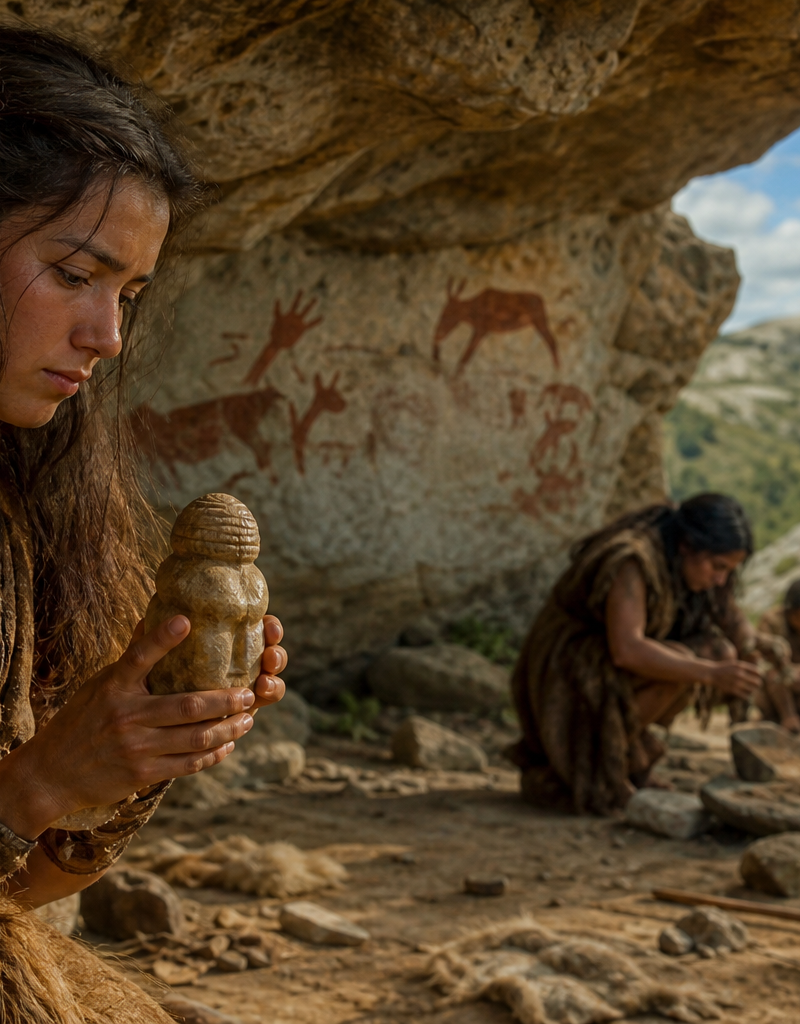
The mists of time shroud many ancient echoes, yet few resonate with such captivating mystery as the Venus figurines of the Upper Paleolithic. These small, often exquisitely…
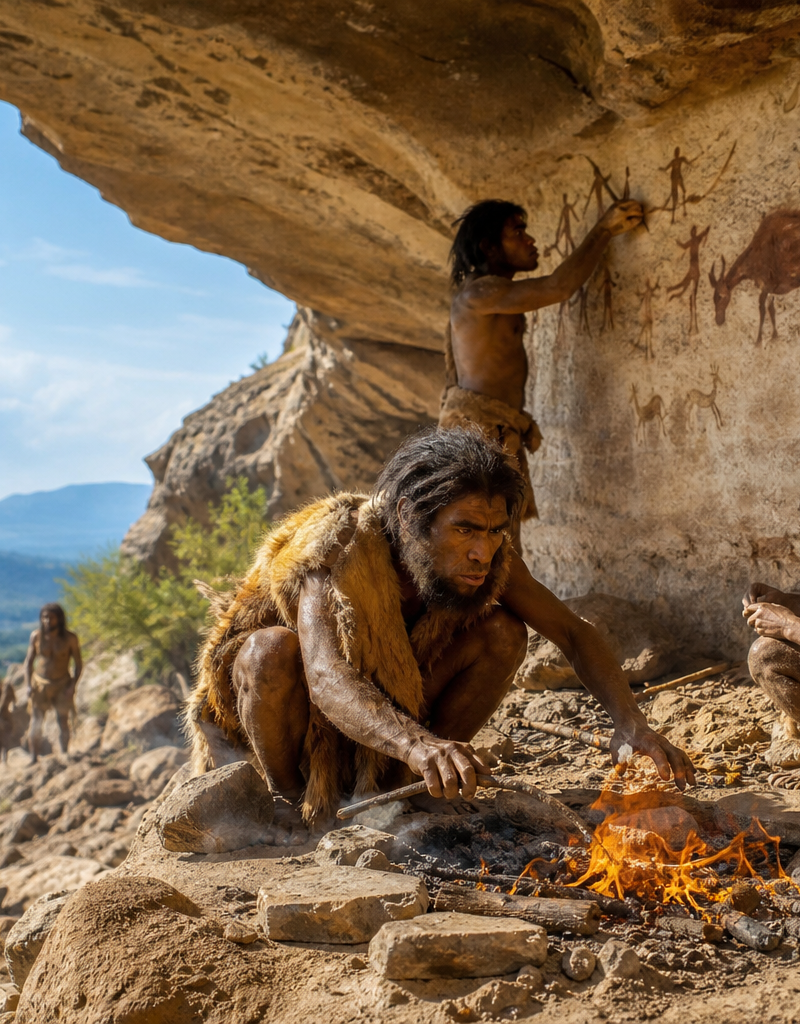
In the shadow of deep time there walks a creature whose silhouette belongs to us: Homo erectus. For the last century and a half, paleoanthropologists have chased its bones across…
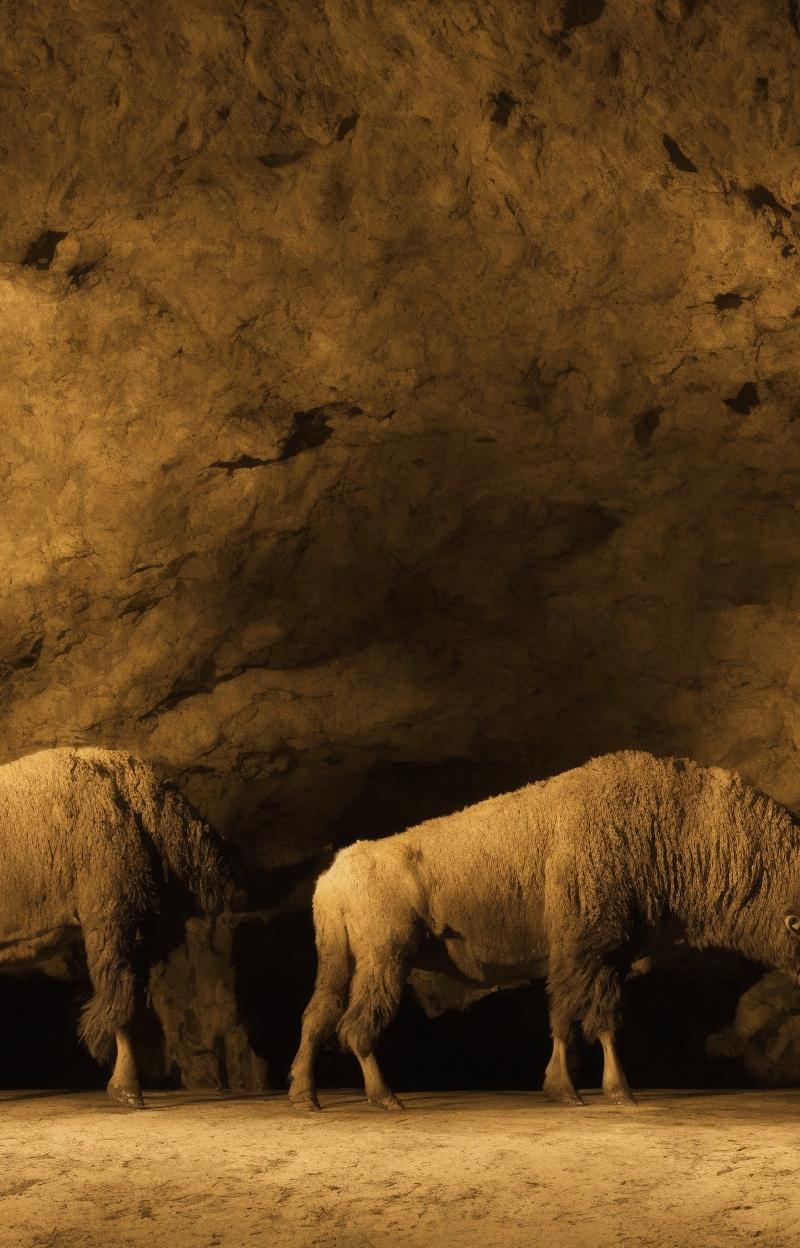
The cool breath of a mountain, centuries of darkness, and the patient hand of time: the opening of Altamira's story feels like the turning of a page in a half-forgotten book. In…
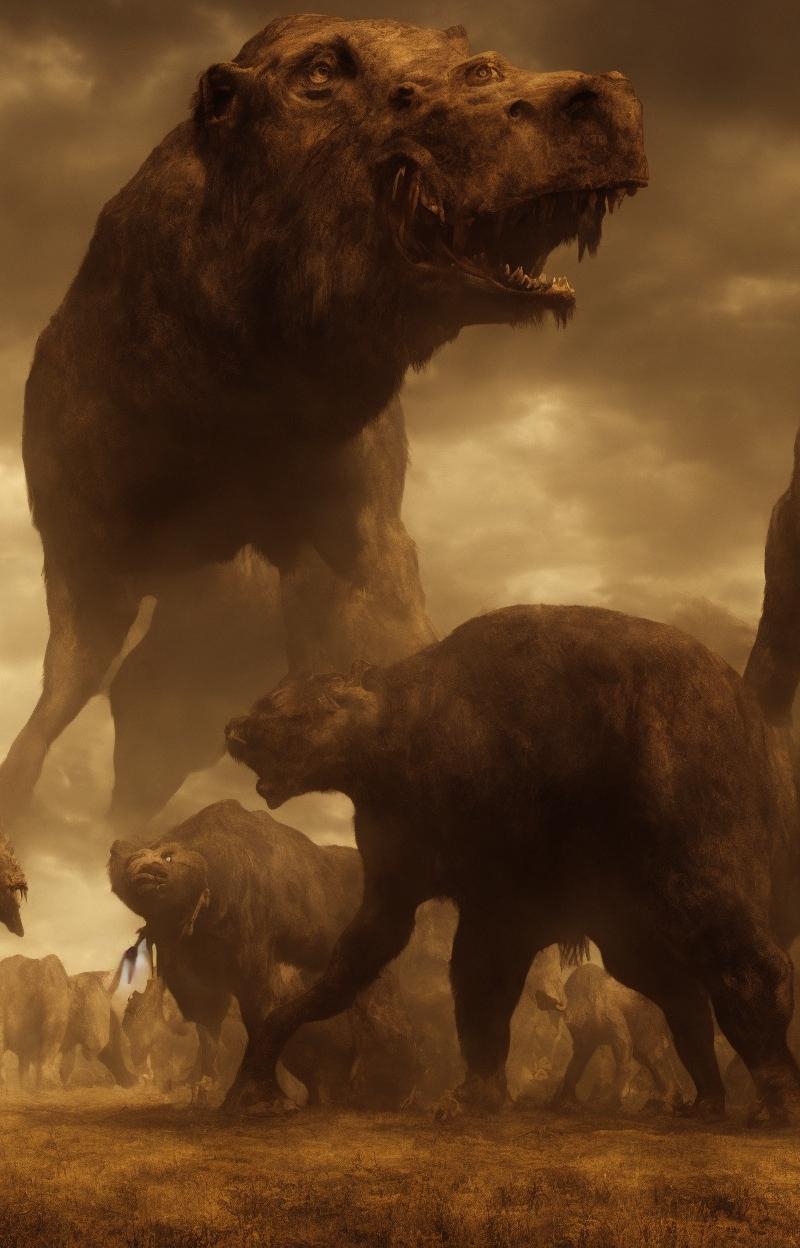
Human history is braided with the histories of the animals we brought into our lives. The story of domestication is not a simple tale of humans imposing their will on nature; it…
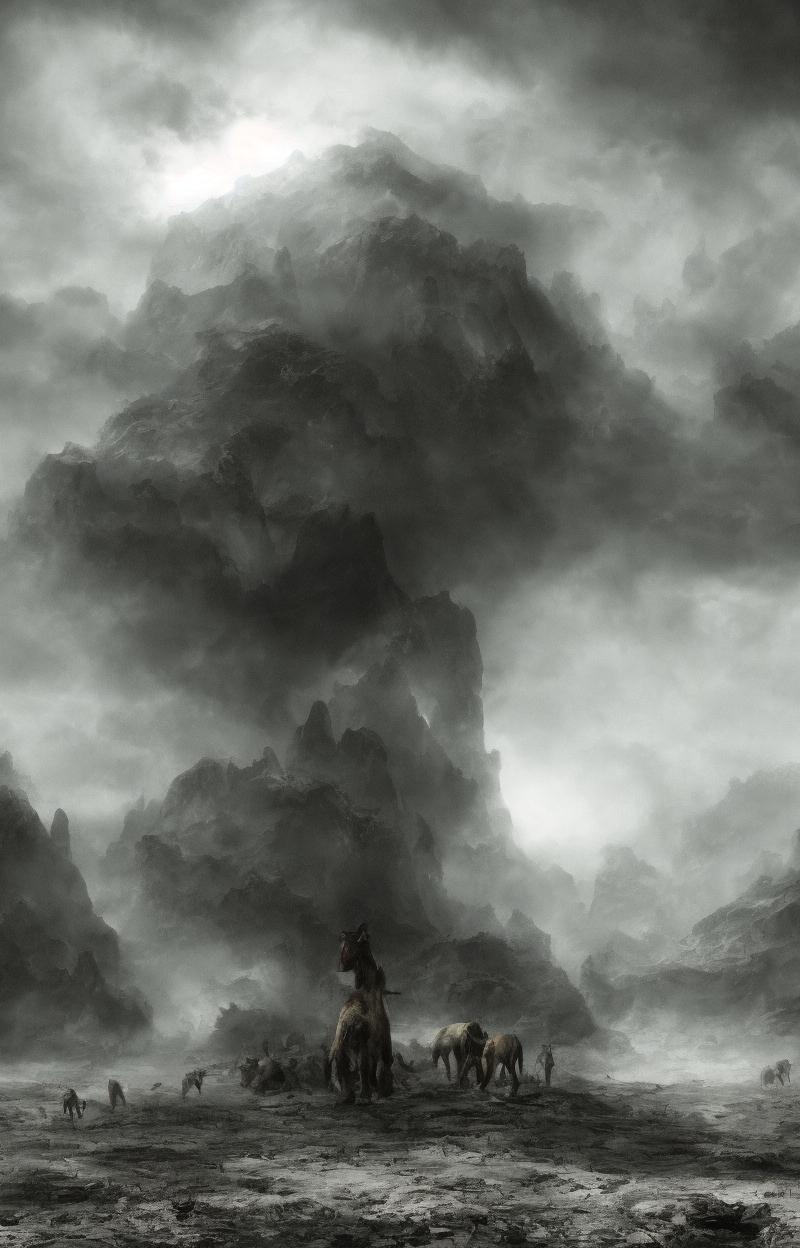
Imagine a world utterly alien to our own, yet this very planet. A world where vast sheets of ice, kilometres thick, bury entire continents. The air is thin, crisp, and brutally…
""Nothing in biology makes sense except in the light of evolution."
Prehistory conventionally ends with the invention of writing, around 3500-3000 BC in Mesopotamia.
It's the transition from hunting-gathering to agriculture and animal husbandry, about 10,000 years ago.
Yuval Noah Harari (2014)
Book
Tom Higham (2021)
Book
Subscribe to our newsletter and receive the most fascinating stories every week.