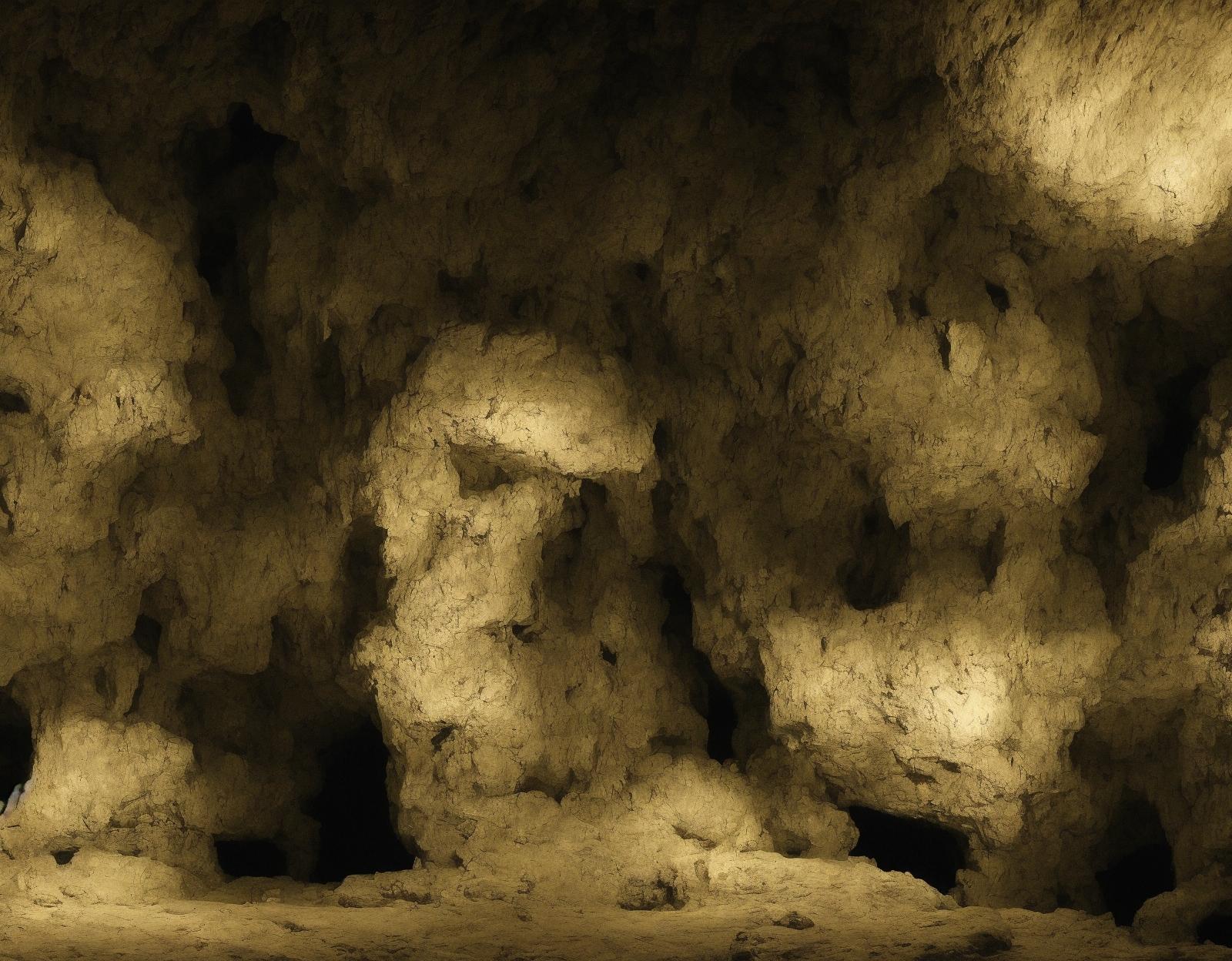
Neanderthal Man: Secrets, Senses, and Shadows of Our Closest Cousin
In the cool, thin light of a late Pleistocene dawn, figures move across a landscape both familiar and strange. They are not Homo sapiens as we imagine ourselves now—tall, gracile, and fashioning the world with art and distant futures—but robust, broad-shouldered people whose silhouettes become fossils in our story. The name we give them, Neanderthal, carries centuries of myth and mischaracterization: from the brutish caricatures of 19th-century science to the more nuanced and often astonishing portrait emerging from bones, caves, and DNA. This narrative seeks to peel back that layering of myth and reveal the Neanderthals as living beings—adaptable, intelligent, social, and intricately enmeshed with the changing climates and creatures of Ice Age Eurasia.
A mystery-driven tone befits these hominins because so much about them lives at the edge of evidence. We do not conjure private letters or printed manifestos from Neanderthal hands; we read stone scars, isotope traces in teeth, pollen in hearth sediments, and a whisper of genetic code that persists in our own genomes. These are the archives of a species that shared time and place with Homo sapiens, that sometimes fought and sometimes mated with us, and that left marks on the world—hearths, broken bones, pigments rubbed into caves—that invite long, careful interpretation. Their story is one of survival against extremes: cold, predators, and unpredictable food supplies; and also one of social ingenuity—care for the infirm, complex tool-making traditions, possible symbolic expression—that stretches the meaning of ‘‘humanity.”
This article moves through discoveries, anatomy, culture, diet, and interactions with Homo sapiens, threading scientific facts with the evocative fragments left in the archaeological record. Along the way we will encounter graves that suggest ritual, tools that hint at planning and forethought, and a genetic legacy that lives within most non-African people today. The aim is not to resolve every debate—many remain open and hotly contested—but to assemble the most reliable, verifiable picture available: Neanderthals as a resilient branch of the human family tree whose disappearance was not a single dramatic event but an unraveling of populations, opportunities, and ecological niches. As you read, imagine the crunch of permafrost underfoot, the orange glow of a hearth reflecting on weathered faces, and the quiet intimacy of a community knitting itself together in a harsh world.
Did you know? The first recognized Neanderthal bones were discovered in 1856 in the Neander Valley limestone quarry near Düsseldorf, Germany.
Discovery and Early Interpretations
The story of Neanderthal discovery begins in the valley of the Neander (Neanderthal in German) in 1856, where workmen found a skull fragment and a set of robust bones in a limestone quarry near Düsseldorf. The bones were brought to attention in an age fascinated by geology and the antiquity of man. Johann Carl Fuhlrott, a local teacher, and the anatomist Hermann Schaaffhausen recognized immediately that these remains were unusual: a low forehead, pronounced brow ridges, and a heavy, stocky build unlike the polished skulls of contemporary European collections. Early reactions were filtered through evolving ideas of evolution—Charles Darwin’s On the Origin of Species had appeared only a few years earlier in 1859—so the new species was alternately seen as a savage ancestor, a pathological modern human, or a distinct human form adapted to the Ice Age.
For decades, the popular image of the Neanderthal was one of a hunched, brutish creature, a product of both scientific uncertainty and cultural caricature. The influential 1911 reconstruction by Marcellin Boule, shaped by an incomplete skeleton from La Chapelle-aux-Saints, portrayed Neanderthals as stooped and primitive. That portrait proved misleading: many of the anatomical features observed were the result of osteoarthritis and other pathologies in that particular individual. As further skeletons were found, the picture grew more complex. Excavations at Shanidar in Iraqi Kurdistan (1950s–1960s) revealed multiple burials and individuals with healed injuries, pointing to social care. Sites like Kebara Cave (Israel) delivered a crucial find: a Neanderthal hyoid bone closely resembling the modern human hyoid, which suggested anatomical capability for speech.
The mid-20th century introduced stratigraphic rigor and radiometric dating, although absolute dating of Neanderthal contexts remained challenging until improvements in radiocarbon methods and, later, genetic dating. Key fossil sites across Europe—such as La Ferrassie, Spy, and Vindija—accumulated skeletons that allowed researchers to refine the Neanderthal anatomical profile: strong, with a wide nasal aperture (an adaptation often interpreted as cold-weather physiology), large front teeth, and a cranial vault with a long, low shape.
Did you know? The Kebara 2 hyoid bone indicates Neanderthals had an anatomy capable of speech-like vocalizations.

This early biography of discovery contains a lesson about the contingency of scientific narrative: initial reconstructions can harden into popular myth. Only with more finds, better dating, and careful taphonomic analysis did scholars begin to see Neanderthals as capable, adaptive hominins, not evolutionary failures. The recovery of artifacts and contexts from a widening geographic range—Spain to Siberia—helped overturn the caricature: Neanderthals used complex stone technologies, exploited a range of environments, and engaged in behaviors that suggest symbolic thought.
Anatomy, Physiology, and the Sense of Being
Anatomical studies of Neanderthal skeletons have been central to understanding their ecology and behavior. Compared to contemporaneous Homo sapiens, Neanderthals were generally shorter but far more robust, with especially strong limb bones indicating powerful musculature. The pronounced brow ridges and midfacial prognathism (forward-projecting middle face) are among their most distinctive cranial features. A wide nasal aperture and large sinuses may have been adaptations to cold, dry climates—helping to warm and humidify cold air during inhalation—though some researchers caution against simple one-to-one adaptive explanations.
The Neanderthal ear and inner ear morphology suggest an acute sensitivity to low-frequency sounds, perhaps an advantage in open, windy landscapes. Dental wear patterns reveal heavy anterior tooth use—the so-called ‘third hand’—where teeth served as tools to hold or process materials. The hyoid bone found at Kebara Cave is virtually indistinguishable from that of modern humans, providing anatomical evidence that Neanderthals possessed the necessary structure for vocalization resembling that of Homo sapiens. While the presence of a modern-like hyoid does not prove identical speech, it undermines earlier claims that Neanderthals lacked the anatomy for language.
Did you know? Birchen tar residues at Königsaue indicate Neanderthals produced adhesives by heating birch bark—an advanced pyrotechnology.
Their brain size, often equal to or larger than that of modern humans when adjusted for body size, further complicates simplistic narratives of inferiority. Neanderthal endocranial morphology indicates differences in brain organization, but not necessarily lesser cognitive capability. Pathologies in skeletal collections reveal a life of risk: healed fractures consistent with close-range hunting of large mammals, and degenerative changes suggestive of repeated strenuous activities. Yet these same collections also show evidence of long-term survival after severe injury—individuals who lived decades after losing limbs or suffering head trauma, implying social support systems capable of providing food and care for disabled members.

Recent discoveries have refined our understanding of Neanderthal color vision and skin pigmentation. Genetic analyses of Neanderthal DNA reveal alleles associated with lighter skin and red hair in some populations, though variation likely existed across their broad range. The cumulative anatomical and genetic evidence paints Neanderthals as physiologically well-adapted to varied Pleistocene environments and possessing the sensory and cognitive substrates for complex social life.
Tools, Technology, and the Craft of Survival
The lithic record is where Neanderthal ingenuity is most visible. The Mousterian stone tool tradition—characterized by prepared-core flake technology—dominates much of the Neanderthal archaeological landscape. This technology reflects planning and skill: cores were shaped so that flakes of specific sizes and shapes could be struck off and retouched for particular tasks. Hafting—attaching stone points to wooden shafts—has been documented through wear patterns and adhesive residues, demonstrating composite tool use that increases effectiveness in hunting and processing.
Did you know? Shanidar 1 survived severe injuries and blindness, indicating long-term care by other group members.
Neanderthals’ toolkits were flexible and responsive to local environments. In some regions and periods, they produced scrapers for hide working; in others, they made points adapted for spears used in close-range thrusting hunts. Evidence of controlled use of fire is widespread: hearths, burnt bones, and charred plant remains indicate that Neanderthals were regular users of fire—cooking food, providing warmth, and perhaps managing landscapes.
Beyond stone, organic technologies left less durable traces but have been increasingly recognized. The application of birch bark tar as an adhesive at sites like Königsaue (Germany) demonstrates sophisticated pyrotechnology—producing adhesives requires controlled heating and an understanding of material properties. Likewise, shell beads and pigment use at several Iberian and Italian sites suggest symbolic behaviors earlier than previously thought for Neanderthals, challenging the notion that symbolic expression was unique to Homo sapiens.

Recent micro-wear analyses and experimental archaeology have further nuanced our understanding of how Neanderthals used tools. Traces of hafting, polish from woodworking, and residues of plant processing show that stone tools were part of broader technological systems. The cognitive implications are significant: the ability to conceptualize a tool as part of a multi-component system, to plan for hafting, and to maintain composite tools indicates forward planning, causal reasoning, and cultural transmission of technical knowledge.
Did you know? Dental calculus from some Neanderthal teeth preserves starch grains and plant microfossils, showing they ate cooked plants and processed foods.
Social Life, Burials, and Symbolic Acts
The social world of Neanderthals emerges indirectly from burials, spatial organization of campsites, evidence of care for injured individuals, and possible symbolic acts. Burials, in particular, have been a source of fascination and debate. Sites such as La Chapelle-aux-Saints, Shanidar, and Kebara show interments that some argue were deliberate and possibly accompanied by ritual behavior. Shanidar Cave famously contained a skeleton (Shanidar 4) with pollen-rich sediment in the grave, long interpreted as a ‘‘flower burial” suggestive of symbolic offerings. Later analysis cast some doubt—rodent activity could have introduced pollen—but the force of the original interpretation persists because it speaks to a capacity for symbolic thought.
Evidence for care is compelling. The skeleton known as Shanidar 1 bore multiple injuries, including loss of an eye and damaged arm, but also healed fractures, indicating the individual survived long after being incapacitated, likely with help from group members who provisioned and protected them. Other skeletons show signs of healed trauma and prolonged survival—needing social networks capable of cooperative hunting, food sharing, and caregiving. Such behaviors imply empathy, long-term planning, and social cohesion.
Symbolic behavior may also be detectable in pigment use and personal ornaments. Pigment-stained shells, potential use of ochre, and abstract engravings in some caves in Spain and France dated to times earlier than the arrival of Homo sapiens in those regions suggest Neanderthals engaged in symbolic marking of places or objects. Whether these were expressions of group identity, ritual acts, or utilitarian pigment use remains debated; nonetheless, they challenge the notion that symbolic culture arose only with modern humans.
Did you know? Most non-African modern humans carry 1–2% Neanderthal-derived DNA, a legacy of interbreeding tens of thousands of years ago.

Spatial analyses at kill sites and habitation areas reveal task-specific zones—areas for butchering, tool production, and sleeping structures—pointing to organized, communal living. Combined with evidence for cooperative big-game hunting and the transport of resources over distances, these data suggest social groups with complex knowledge, division of labor, and cultural transmission of skills across generations.
Diet, Ecology, and the Art of Foraging
Neanderthals occupied a wide ecological range across Eurasia, from Iberia to the Levant and as far east as the Altai. Their diets were correspondingly varied and flexible. Stable isotope analyses of Neanderthal bone collagen frequently indicate a high reliance on large herbivores—aurochsen, reindeer, bison, and horse—consistent with a heavy-meat diet in many regions. Yet this picture is incomplete: sites on coastal and riverine margins reveal exploitation of marine resources—mollusks, fish, and even seals in some areas—while plant remains and dental calculus analyses show consumption of grasses, seeds, tubers, and possibly cooked plant foods.
Seasonality shaped subsistence strategies, prompting mobility, storage, and strategic hunting. Tool kits and hunting strategies adapted: in forested landscapes, Neanderthals could ambush deer and boar; on open steppe, they hunted migratory herds. Faunal assemblages reveal butchery patterns often optimized to extract marrow and fat—caloric-rich components essential in cold climates. Fire played a role not just in cooking but also potentially in processing hides and plant foods.
Did you know? Some Neanderthal alleles in modern humans influence immune responses and skin traits, showing direct biological legacies.
Dental calculus has become a micro-archive of diet: scanning has revealed microfossils of cooked grains and starches, plant fibers, and even inhaled smoke particles. These data demonstrate that Neanderthal diets were not purely carnivorous but incorporated diverse foodstuffs, and that food preparation—cooking and grinding—likely formed part of their behavioral repertoire.

Environmental reconstructions indicate Neanderthals navigated fluctuating climates, with glacial and interglacial cycles altering prey availability and habitat corridors. Their persistence across such oscillations underscores adaptive flexibility: technological innovation, social cooperation, and dietary breadth combined to keep populations viable across a mosaic of Pleistocene landscapes.
Contact, DNA, and the Echoes in Our Genomes
Perhaps the most dramatic revision in recent decades has been the discovery that Neanderthals were not an evolutionary cul-de-sac but participants in gene flow with Homo sapiens. Ancient DNA extracted from Neanderthal specimens (notably from Vindija Cave and other sites) allowed comparisons with modern humans. The startling result: non-African modern human populations carry on average about 1–2% Neanderthal ancestry, with some genomic regions showing higher contributions. This indicates one or more episodes of interbreeding after modern humans left Africa and met Neanderthals in Eurasia roughly 50,000–60,000 years ago, though earlier contacts in the Levant may have occurred.
Did you know? Neanderthal populations show evidence of regional variability—some groups had pigment alleles associated with red hair and pale skin.
Genomic analyses trace not only admixture but also functional consequences. Neanderthal-derived alleles contribute to variation in skin pigmentation, immune response genes (e.g., some HLA alleles), and even traits linked to lipid metabolism and disease susceptibilities in modern populations. There are cases where Neanderthal-derived alleles provided adaptive advantages—helping modern humans adapt to Eurasian pathogens and climates—while other segments of the Neanderthal genome appear to have been selected against over time.
The timing and nature of Neanderthal disappearance remain complex. Regional extinctions, small effective population sizes, and climatic fluctuations likely all played parts. Rather than a single catastrophic event, extinction seems to have been a patchwork of local extinctions, demographic decline, and assimilation via admixture in places where contact with Homo sapiens occurred. This pattern sensibly explains the persistence of Neanderthal genes in modern humans even as the distinct Neanderthal populations vanished.
Genomic research also revealed the existence of other archaic hominins—Denisovans—and their complex relationships with Neanderthals and modern humans. In some regions of the genome, Neanderthal and Denisovan contributions are interwoven, hinting at a Pleistocene world of multiple hominin populations interacting across Eurasia.
Did you know? Cave art in Spain dated at ~65,000 years suggests Neanderthals may have produced symbolic cave markings before Homo sapiens arrived in Western Europe.
Conclusion: The Lasting Legacy of Neanderthal Man
When we step back from skull morphology, stone flakes, and genetic sequences, a deeper impression emerges: Neanderthals were neither monsters nor mirror images; they were a distinct lineage of human beings with their own adaptations, cultures, and histories. They endured for hundreds of thousands of years, evolving traits suited to cold, hunting large game, and making technological and possibly symbolic choices that allowed them to flourish across diverse environments.
Their extinction—if it can be called that—was a drawn-out diminishing of population and territory rather than an instantaneous vanishing. Their genes continue to shimmer in our DNA, their tools shaped the Pleistocene landscapes, and their graves suggest emotional lives not unlike our own. The image of the Neanderthal has shifted from a caricature of brutishness to a portrait of resilience and subtlety. As new methods—ancient proteomics, higher-resolution dating, and improved excavation—continue to refine the record, we can expect the narrative to grow richer and more detailed. Each new find is a fragment of voice from a vanished world, a line in a conversation that continues across millennia.
Neanderthals force us to think differently about the shape of human evolution. Rather than a ladder with Homo sapiens inevitably at the top, we see a branching arboreal of experiments in living and thinking. Neanderthals were one of the most successful branches for a long time. Their story invites humility: the traits we prize—language, technology, art—appear in varied constellations across human lineages. In the end, perhaps the most haunting reminder of Neanderthal life is the sensation of proximity: at times we walked the same valleys, breathed the same air, and exchanged more than stones. The shadow of Neanderthal hands touches ours still, a reminder of a past full of complexity, sorrow, invention, and kinship.
Did you know? Individuals like La Chapelle-aux-Saints "Old Man" show advanced arthritis and healed injuries—evidence of care and long survival after disability.
The Neanderthal story does not end with the last bone found in a cave; it continues in our scientific curiosity and in the fragments of their lives preserved by time. Each discovery reshapes not only their image but ours, revealing how entwined our histories are and how much the past still matters in shaping who we are.
How we verify this article
By the History Unlocked editorial team
This text is built on historical facts stored in our database and drafted with AI assistance. No signed human review is recorded for this article. Report any inaccuracy: we correct it and update the modified date.
Updated on
AI-assisted drafting.
Read our editorial standardsEnjoyed this? Discover more articles in the category Prehistory